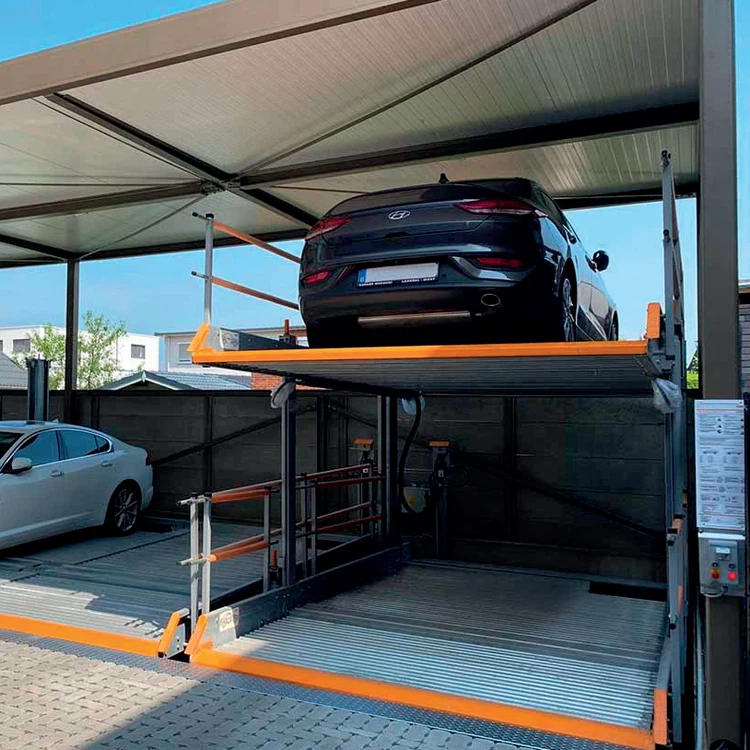

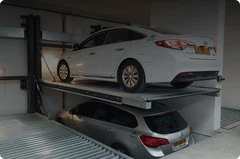


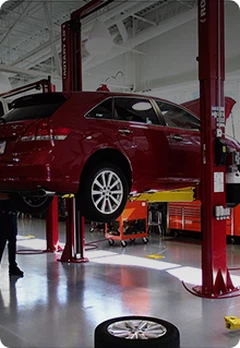


As a vehicle lift supplier, I've seen firsthand the importance of considering environmental factors when using these essential pieces of equipment. Vehicle lifts are crucial for automotive repair shops, car dealerships, and even home garages, but their operation can have various environmental implications. In this blog, I'll explore these considerations and how we, as a supplier, are committed to providing eco - friendly solutions.
Energy Consumption
One of the most significant environmental considerations when using a vehicle lift is energy consumption. Different types of vehicle lifts, such as hydraulic, electric, and pneumatic, have varying energy requirements.
Hydraulic lifts are widely used in the industry. They rely on a hydraulic system to raise and lower vehicles. The energy consumption of hydraulic lifts mainly comes from the power unit that pumps the hydraulic fluid. Older models of hydraulic lifts may be less energy - efficient, as they often run the pump continuously to maintain pressure, even when the lift is stationary. This constant energy draw not only increases operating costs but also has a negative impact on the environment.
On the other hand, modern hydraulic lifts are designed with energy - saving features. For example, some lifts use variable - speed drives (VSDs) in their power units. VSDs adjust the speed of the pump motor according to the load and the lift's position, reducing energy consumption significantly. At our company, we offer several models of hydraulic lifts, like the DAXLIFTER 3.5T 4 Post Car Hoist Lift with Second Lifting Function, which are equipped with energy - efficient technologies to minimize their environmental footprint.
Electric lifts are another popular option. They typically use an electric motor to drive the lifting mechanism. Electric lifts can be very energy - efficient, especially if they are designed with regenerative braking systems. These systems capture the energy generated when the lift is lowering and convert it back into electricity, which can be reused or fed back into the power grid. Our DAXLIFTER Portable Garage Car Service Lift for Home is an electric lift that is designed to be energy - efficient, making it a great choice for home users who are conscious of their energy consumption.
Pneumatic lifts use compressed air to operate. While they generally have lower energy requirements compared to hydraulic and electric lifts, the process of compressing air itself consumes energy. However, pneumatic lifts can be a good option in facilities where compressed air is already available for other operations, as they can make use of the existing infrastructure without additional energy - intensive equipment.
Hydraulic Fluid Management
Hydraulic lifts use hydraulic fluid to transmit power. The choice and management of hydraulic fluid have important environmental implications.
Traditional hydraulic fluids are often mineral - based. Mineral - based hydraulic fluids are derived from petroleum, which is a non - renewable resource. In addition, if these fluids leak or are not disposed of properly, they can contaminate soil and water sources. Mineral - based fluids also have a relatively low biodegradability, which means they can persist in the environment for a long time.
To address these issues, there has been a growing trend towards the use of biodegradable hydraulic fluids. Biodegradable hydraulic fluids are made from renewable resources such as vegetable oils or synthetic esters. They have a much higher biodegradability rate, which means they break down more quickly in the environment, reducing the risk of long - term pollution.
As a vehicle lift supplier, we recommend the use of biodegradable hydraulic fluids for our hydraulic lifts. We also provide training and support to our customers on proper hydraulic fluid management, including regular fluid checks, leak detection, and correct disposal methods. Our DAXLIFTER 3.5T Pit Scissor Type Car Stacker Lift is designed to work with both traditional and biodegradable hydraulic fluids, giving our customers the flexibility to choose the more environmentally friendly option.
Noise Pollution
Vehicle lifts can generate noise during operation, which can be a source of annoyance for workers and nearby residents. Noise pollution can also have negative impacts on human health, including hearing loss, stress, and sleep disturbances.
The noise level of a vehicle lift depends on several factors, such as the type of lift, the design of the lifting mechanism, and the quality of the components. For example, hydraulic lifts can produce noise from the pump and the flow of hydraulic fluid, while electric lifts may generate noise from the motor and other moving parts.
To reduce noise pollution, modern vehicle lifts are designed with noise - reducing features. These may include sound - insulating materials in the power unit, vibration - damping mounts to reduce the transmission of vibrations, and quiet - running motors. At our company, we test and select components that are known for their low - noise operation to ensure that our lifts meet the highest standards of noise reduction.
Recycling and Disposal
When a vehicle lift reaches the end of its useful life, proper recycling and disposal are essential to minimize its environmental impact.
Many components of a vehicle lift, such as steel frames, motors, and electrical components, can be recycled. Recycling these materials reduces the demand for new raw materials and conserves energy. For example, recycling steel requires significantly less energy compared to producing new steel from iron ore.
As a responsible supplier, we work with recycling partners to ensure that our used lifts are recycled in an environmentally friendly manner. We also provide information to our customers on how to properly recycle and dispose of their lifts at the end of their life cycle.


Indoor Air Quality
In indoor environments, such as automotive repair shops, vehicle lifts can have an impact on indoor air quality. Hydraulic lifts, in particular, can release small amounts of hydraulic fluid vapor into the air, especially if there are leaks or if the fluid is overheated. These vapors can be harmful to human health if inhaled over a long period.
To maintain good indoor air quality, it is important to ensure proper ventilation in the area where the vehicle lift is installed. Adequate ventilation helps to remove any harmful vapors and maintain a healthy working environment. In addition, regular maintenance of the lift, including checking for leaks and ensuring proper fluid levels, can help to minimize the release of hydraulic fluid vapors.
Our Commitment to Sustainability
At our company, we are committed to providing vehicle lifts that are not only high - quality and reliable but also environmentally friendly. We invest in research and development to improve the energy efficiency of our lifts, promote the use of biodegradable hydraulic fluids, and reduce noise pollution.
We also believe in educating our customers about the environmental considerations of using vehicle lifts. We provide comprehensive product information, training, and support to help our customers make informed decisions and operate their lifts in an environmentally responsible manner.
If you are in the market for a vehicle lift and are concerned about its environmental impact, we invite you to contact us for more information. Our team of experts can help you choose the right lift for your needs and provide you with guidance on how to operate it in an eco - friendly way. Whether you are a professional automotive repair shop or a home enthusiast, we have the solutions to meet your requirements.
References
- "Energy - Efficient Hydraulic Systems for Vehicle Lifts," Journal of Automotive Technology, Vol. XX, Issue XX, 20XX.
- "Biodegradable Hydraulic Fluids: A Review," Environmental Science and Technology, Vol. XX, Issue XX, 20XX.
- "Noise Reduction in Industrial Equipment: A Case Study of Vehicle Lifts," Noise Control Engineering Journal, Vol. XX, Issue XX, 20XX.