


In the world of automation, industrial design, and event staging, rotating stages have emerged as a remarkable innovation, offering a dynamic way to showcase products, perform live shows, or facilitate manufacturing processes. As a supplier of rotating stages, I've witnessed firsthand the diverse applications and benefits these devices bring. However, like any technology, rotating stages are not without their limitations. In this blog, we'll explore some of the key limitations associated with using a rotating stage.
1. Load Capacity Constraints
One of the primary limitations of rotating stages is their load capacity. Every rotating stage is designed to handle a specific maximum load. Exceeding this limit can lead to a variety of problems, including mechanical failure, reduced lifespan of the stage, and potential safety hazards.
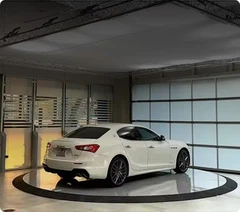
For instance, in an automotive exhibition, if a rotating stage is not designed to support the weight of a large SUV, attempting to place the vehicle on it could cause the stage to malfunction. The motor may struggle to rotate the heavy load, leading to overheating and eventual breakdown. This limitation restricts the types of objects that can be displayed or manipulated on the stage.
If you're in the market for a rotating stage that can handle heavy loads, our DAXLIFTER Customized Car Vehicle Rotary Rotating Stage Platform is a great option. It is engineered to support significant weights, making it suitable for automotive applications and other heavy - duty uses.
2. Precision and Accuracy
While rotating stages are designed to provide accurate rotation, achieving high - precision movement can be challenging. Factors such as mechanical wear, backlash in the gears, and environmental conditions can affect the accuracy of the rotation.
In a manufacturing setting, where precise alignment is crucial, even a small deviation in the rotation angle can lead to defective products. For example, in the production of electronic components, a rotating stage may be used to position parts for assembly. If the rotation is not accurate, the components may not fit together properly, resulting in quality issues.
To overcome these challenges, advanced control systems and high - quality mechanical components are often required. However, these solutions can increase the cost of the rotating stage, making it less accessible for some users.
3. Speed Limitations
Rotating stages also have limitations in terms of their maximum rotation speed. The speed at which a stage can rotate is determined by several factors, including the power of the motor, the design of the mechanical components, and the control system.
In high - speed applications, such as in some entertainment shows where rapid rotations are required, the speed limitations of a rotating stage can be a significant drawback. If the stage cannot rotate fast enough, it may not be able to meet the demands of the performance.
Moreover, increasing the rotation speed can also put additional stress on the mechanical components, leading to increased wear and tear. This means that users often have to balance the need for speed with the durability and lifespan of the rotating stage.
4. Size and Space Requirements
The physical size of a rotating stage can be a limitation, especially in environments where space is limited. Larger rotating stages require more floor space, which may not be available in small exhibition halls, workshops, or event venues.
For example, in a small art gallery, a large - scale rotating stage may not fit, preventing the gallery from using it to showcase art pieces. Additionally, the installation of a rotating stage may require modifications to the existing infrastructure, such as the floor or ceiling, which can be costly and time - consuming.
If you're looking for a space - efficient solution, our company offers a range of rotating stages in different sizes to meet various space requirements.


5. Maintenance and Upkeep
Rotating stages require regular maintenance to ensure their proper functioning. Components such as motors, bearings, and gears need to be lubricated, inspected, and replaced as needed. Failure to perform regular maintenance can lead to breakdowns and costly repairs.
In addition, as technology advances, older rotating stages may become obsolete. Upgrading to the latest models can be expensive, especially for small businesses or organizations with limited budgets.
However, proper maintenance can extend the lifespan of a rotating stage and reduce the risk of unexpected failures. Our company provides comprehensive maintenance services to help our customers keep their rotating stages in optimal condition.
6. Cost
The cost of a rotating stage can be a significant limitation for many users. High - quality rotating stages with advanced features, such as precise control systems and high load capacities, can be quite expensive.
For small businesses or start - ups, the initial investment in a rotating stage may be prohibitive. Even for larger organizations, the cost of purchasing and maintaining multiple rotating stages can add up quickly.
However, it's important to consider the long - term benefits of using a rotating stage. In many cases, the increased productivity, improved product quality, and enhanced customer experience can justify the cost.
7. Compatibility with Other Equipment
Rotating stages may not be compatible with all types of equipment. For example, in an industrial automation setting, a rotating stage may need to be integrated with other machinery, such as robots or conveyor belts. If the rotating stage is not compatible with these systems, it can lead to integration issues and inefficiencies.
In an event staging scenario, a rotating stage may need to work in conjunction with lighting, sound, and video systems. Ensuring that all these components are compatible and work together seamlessly can be a challenge.
Our company offers technical support to help customers ensure the compatibility of our rotating stages with other equipment. We can provide guidance on system integration and offer customized solutions to meet specific requirements.
Conclusion
Despite these limitations, rotating stages remain a valuable tool in a wide range of industries. Their ability to provide dynamic and engaging displays, as well as facilitate precise positioning in manufacturing processes, makes them an attractive option for many users.
If you're considering purchasing a rotating stage, it's important to carefully evaluate your needs and the limitations associated with these devices. Our company offers a wide range of rotating stages, including the DAXLIFTER Customized Car Vehicle Rotary Rotating Stage Platform and other solutions for different applications. We also provide Floor To Floor Car Lift Platform for automotive and industrial uses.
If you have any questions or would like to discuss your specific requirements, we encourage you to contact us for a detailed consultation. Our team of experts is ready to assist you in finding the right rotating stage solution for your needs.
References
- "Industrial Automation Handbook", John Wiley & Sons
- "Event Staging and Production Guide", Routledge