






Can a car elevator be installed in a residential building?
In modern urban living, space is often at a premium, especially when it comes to parking. As a car elevator supplier, I've received numerous inquiries from homeowners and building managers about the feasibility of installing car elevators in residential buildings. This blog post aims to explore the various aspects of this question, including the technical, regulatory, and practical considerations.
Technical Feasibility
The first question that comes to mind is whether the building's structure can support a car elevator. Residential buildings come in different shapes, sizes, and construction types, each with its own load - bearing capacity. A car elevator typically needs a sturdy foundation and well - designed structural support to handle the weight of the vehicle and the elevator itself.
For smaller single - family homes or low - rise residential buildings, a hydraulic car elevator might be a suitable option. Hydraulic elevators are known for their smooth operation and relatively simple installation process. They use a hydraulic system to lift and lower the car platform. However, they require a pit to accommodate the hydraulic cylinders, which means the building's basement or ground floor needs to have sufficient depth.
On the other hand, traction car elevators are more commonly used in high - rise buildings. These elevators use steel ropes and a counterweight system to move the car platform. They are more energy - efficient than hydraulic elevators and can reach higher speeds. But they need a dedicated machine room and a hoistway with proper ventilation and safety features.
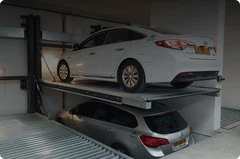
When considering the technical feasibility, it's also important to look at the available space for the elevator. In a residential building, space is limited, and the elevator should not take up too much of the living or parking area. The Floor To Floor Car Lift Platform we offer is designed to be compact yet capable of handling different vehicle sizes, making it a good fit for space - constrained residential buildings.
Regulatory Requirements
Installing a car elevator in a residential building is not just a matter of technical ability; it also needs to comply with local building codes and regulations. These regulations vary from region to region but generally cover aspects such as safety, accessibility, and fire protection.
Safety is of utmost importance. Car elevators must be equipped with safety features like emergency brakes, door interlocks, and overload protection. In some areas, regular safety inspections are required to ensure the elevator is in good working condition.
Accessibility requirements might also come into play. For example, if the building has multiple floors and there are residents with disabilities, the elevator should be designed to be accessible, with features such as large enough door openings and Braille signage.
Fire protection regulations mandate that the elevator hoistway should have fire - resistant materials and proper fire - suppression systems. This is to prevent the spread of fire in case of an emergency. Before installing a car elevator, it's essential to consult with local authorities and obtain the necessary permits.
Practical Considerations
Beyond the technical and regulatory aspects, there are several practical considerations for installing a car elevator in a residential building.
Cost is a major factor. The installation cost of a car elevator includes the price of the elevator itself, installation labor, and any necessary structural modifications. In addition, there are ongoing maintenance costs, which can add up over time. However, when you consider the convenience and the potential increase in property value, the investment might be worthwhile.
Another practical consideration is the noise level. Since the elevator is installed in a residential environment, it should operate quietly to avoid disturbing the residents. Our elevators are designed with noise - reduction technology to ensure a peaceful living environment.
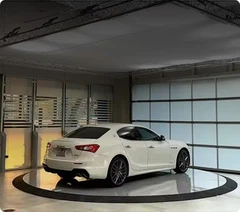
Ease of use is also important. The elevator should be user - friendly, with simple controls that can be easily operated by all residents. The DAXLIFTER Customized Car Vehicle Rotary Rotating Stage Platform offers a unique rotating feature that makes it easier to park and retrieve vehicles, enhancing the overall user experience.
Benefits of Installing a Car Elevator
Despite the challenges, there are many benefits to installing a car elevator in a residential building.
Convenience is perhaps the most obvious benefit. With a car elevator, residents no longer have to worry about finding a parking spot on the street or in a crowded parking garage. They can simply drive their cars directly into the elevator and park them on their own floor.
It also increases the security of the vehicles. By parking inside the building, cars are protected from theft, vandalism, and the elements.
In terms of property value, a car elevator can be a significant selling point. It adds a touch of luxury and modernity to the building, making it more attractive to potential buyers or renters.


Conclusion
So, can a car elevator be installed in a residential building? The answer is yes, but it requires careful planning and consideration of the technical, regulatory, and practical aspects. As a car elevator supplier, we have the expertise and experience to help you through the entire process, from the initial consultation to the final installation.
If you're interested in installing a car elevator in your residential building, we'd love to have a discussion with you. Our team of experts can assess your building's suitability, provide you with detailed cost estimates, and answer any questions you might have. Contact us today to start the conversation about bringing the convenience and luxury of a car elevator to your home.
References
"Building Codes and Regulations for Elevators", National Building Codes Institute.
"Elevator Technology Handbook", Elevator Manufacturers Association.
"Residential Elevator Design and Installation Best Practices", Residential Construction Journal.


