





Can a rotating stage be used for museum exhibits?
In the world of museum curation, innovation is key to engaging visitors and presenting artifacts in the most captivating way possible. One such innovation that has gained traction in recent years is the use of rotating stages. As a supplier of rotating stages, I've witnessed firsthand the transformative potential these platforms hold for museum exhibits. In this blog post, we'll explore the feasibility and benefits of using a rotating stage for museum displays.


The Concept of a Rotating Stage
A rotating stage is a platform that can turn on its axis, allowing objects placed on it to be viewed from multiple angles. This technology has been widely used in various industries, from entertainment to automotive. For museums, a rotating stage offers a unique opportunity to showcase artifacts in a dynamic and interactive manner.
Advantages of Using a Rotating Stage in Museums
Enhanced Visibility
One of the primary benefits of a rotating stage is that it provides visitors with a 360 - degree view of the exhibit. This is particularly useful for large or complex artifacts that may have details hidden from a single viewing angle. For example, a large sculpture or a historical vehicle can be better appreciated when it rotates slowly, revealing all its sides and features.
Interactive Experience
In today's digital age, museums are constantly looking for ways to engage visitors on a deeper level. A rotating stage adds an element of interactivity to the exhibit. Visitors can stand in one place and watch the object rotate, or they can move around the stage to view it from different perspectives. This hands - on experience can make the visit more memorable and educational.
Space Optimization
Museums often have limited space, and a rotating stage can help make the most of it. Instead of having multiple displays for different views of an artifact, a single rotating stage can serve the same purpose. This allows museums to showcase more exhibits within a given area.
Storytelling
A rotating stage can be used as a tool for storytelling. By synchronizing the rotation with audio or video content, museums can create a narrative around the artifact. For instance, as the stage rotates, a voice - over can explain different aspects of the object's history, construction, or significance.
Technical Considerations
Load Capacity
When considering a rotating stage for museum exhibits, it's crucial to ensure that the stage can support the weight of the artifacts. Different artifacts have different weights, and the stage must be designed to handle the load safely. Our DAXLIFTER Customized Car Vehicle Rotary Rotating Stage Platform is engineered to handle a wide range of weights, making it suitable for various museum exhibits.
Rotation Speed
The rotation speed of the stage is another important factor. It should be slow enough for visitors to observe the details of the artifact but fast enough to maintain their interest. Most rotating stages can be adjusted to different speeds, allowing museum curators to customize the experience based on the nature of the exhibit.
Safety Features
Safety is paramount in a museum environment. A rotating stage should be equipped with safety features such as emergency stop buttons, anti - slip surfaces, and barriers to prevent visitors from getting too close to the moving parts.
Case Studies
Automotive Museum
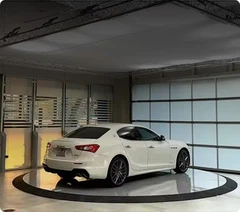
In an automotive museum, a rotating stage can be used to display classic cars. By rotating the cars, visitors can admire the exterior design from all angles, as well as get a better view of the engine and interior. This not only enhances the aesthetic appeal of the exhibit but also provides a more comprehensive understanding of the vehicle.
Art Museum
For an art museum, a rotating stage can be used to showcase sculptures. Artists often create sculptures with multiple viewpoints in mind, and a rotating stage allows visitors to experience the work as intended. It can also be used to display large - scale art installations, giving viewers a full appreciation of the piece.
Integration with Other Technologies
A rotating stage can be integrated with other technologies to enhance the museum experience. For example, it can be connected to a lighting system that changes as the stage rotates, highlighting different features of the artifact. It can also be linked to a touch - screen display that provides additional information about the exhibit as it rotates.
Cost - Effectiveness
While the initial investment in a rotating stage may seem significant, it can be a cost - effective solution in the long run. By allowing museums to showcase more exhibits in a smaller space and providing a more engaging experience, a rotating stage can attract more visitors. This, in turn, can lead to increased revenue from ticket sales and donations.
Conclusion
In conclusion, a rotating stage can be a valuable addition to museum exhibits. It offers enhanced visibility, an interactive experience, space optimization, and the ability to tell a compelling story. With the right technical considerations and integration with other technologies, a rotating stage can transform the way museums present their artifacts.
If you're a museum curator or administrator interested in incorporating a rotating stage into your exhibits, we'd love to discuss your needs. Our team of experts can provide customized solutions to meet your specific requirements. Whether you're looking for a small, lightweight stage or a heavy - duty platform, we have the expertise and products to make your vision a reality. Contact us to start a conversation about how our rotating stages can enhance your museum exhibits.
References
- "Museum Exhibition Design: Best Practices and Innovations" - Museum Studies Journal
- "The Impact of Interactive Displays on Museum Visitor Engagement" - Journal of Museum Education
- "Technical Considerations for Rotating Platforms in Public Spaces" - Engineering and Design Review