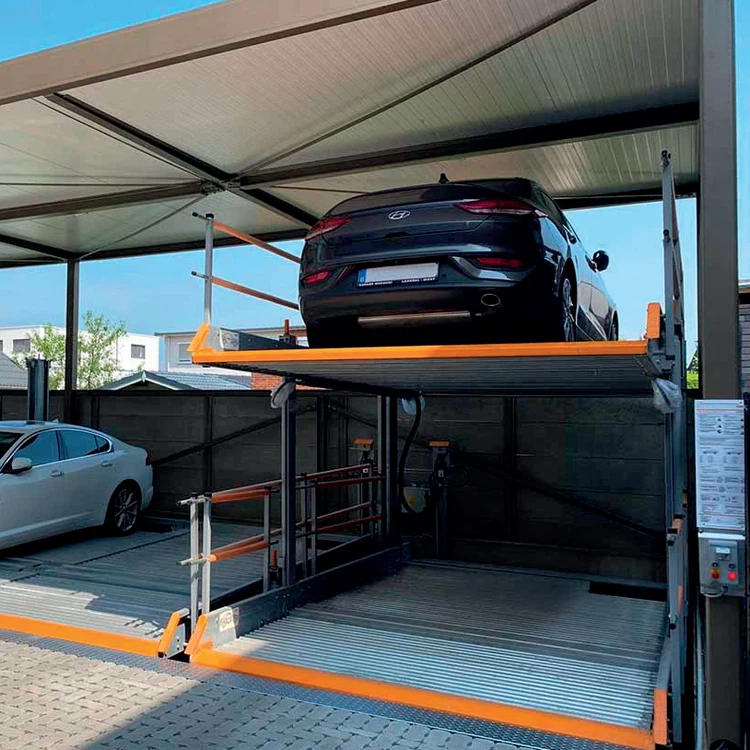


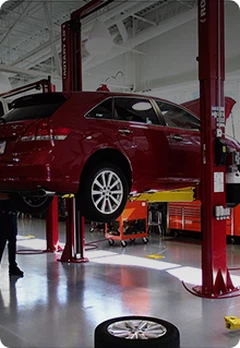

Hey there! As a supplier of car stacker parking systems, I often get asked if these systems can be installed in basements. Well, the short answer is yes, but there are a bunch of things to consider.
Let's start with the basics. Car stacker parking systems are a great way to maximize parking space, especially in areas where space is limited. Basements are a prime candidate for these systems because they usually have a large, open area that can be utilized. But before you jump in and start installing, you need to make sure your basement meets the necessary requirements.
Structural Considerations
First off, the basement's structure has to be able to handle the weight of the car stacker and the vehicles it will hold. Car stackers can be pretty heavy, especially when they're fully loaded with cars. You'll need to have a structural engineer take a look at your basement to determine if it can support the additional weight. They'll check things like the thickness of the floor slab, the strength of the columns, and the overall integrity of the structure.
If the basement's structure isn't strong enough, you might need to reinforce it. This could involve adding additional columns, thickening the floor slab, or using other structural reinforcement techniques. It's not a cheap or easy process, but it's essential to ensure the safety of the car stacker and the vehicles.
Height Requirements
Another important factor is the height of the basement. Car stacker parking systems come in different types, and each has its own height requirements. For example, some scissor lifts need a certain amount of clearance above the lift to operate safely. You'll need to measure the height of your basement from the floor to the ceiling and compare it to the height requirements of the car stacker you're considering.
If your basement is too low, you might need to either choose a different type of car stacker or consider raising the ceiling. Raising the ceiling can be a major construction project, so it's something you'll want to think about carefully.
Ventilation and Drainage
Basements can be prone to moisture and poor ventilation, which can cause problems for car stacker parking systems. Moisture can lead to rust and corrosion, which can damage the car stacker and reduce its lifespan. You'll need to make sure your basement has proper ventilation to keep the air fresh and dry.
Drainage is also crucial. If water accumulates in the basement, it can damage the car stacker and the vehicles. You'll need to have a drainage system in place to prevent water from pooling. This could involve installing a sump pump or a French drain.
Types of Car Stacker Parking Systems for Basements
Now, let's talk about the different types of car stacker parking systems that can be installed in basements.
- Scissor Parking Lifts: These are a popular choice for basements because they're relatively compact and can be installed in a small space. The DAXLIFTER 2.3T Car Garage Scissor Parking Lift is a great option. It's designed to lift cars up to 2.3 tons and can be customized to fit your specific needs.
- 4 Post Auto Car Hoist Stacker Parking Lifts: These lifts are more stable and can handle heavier vehicles. The DAXLIFTER Home 4 Post Auto Car Hoist Stacker Parking Lift with Custom Service is a great choice for basements. It offers a lot of flexibility and can be customized to fit your basement's layout.
- Two Post Hydraulic Parking Elevators: These are a bit more complex but can be a great option for basements with limited space. The Two Post Hydraulic Parking Elevator is designed to lift cars vertically and can be installed in a relatively small area.
Installation Process
Once you've determined that your basement is suitable for a car stacker parking system and you've chosen the right type of system, it's time to start the installation process. The installation process can be complex and should be done by a professional.
The first step is to prepare the basement. This involves clearing the area, making any necessary structural modifications, and ensuring that the ventilation and drainage systems are in place.
Next, the car stacker will be installed. This usually involves assembling the components on-site and connecting them to the power supply. The installation team will also test the system to make sure it's working properly.


Maintenance and Safety
After the car stacker is installed, it's important to maintain it properly. Regular maintenance will help ensure the safety and longevity of the system. You'll need to follow the manufacturer's maintenance instructions, which may include things like lubricating the moving parts, checking the hydraulic fluid levels, and inspecting the cables and chains.
Safety is also a top priority. You'll need to make sure that the car stacker is used correctly and that all safety features are in place. This includes things like safety locks, emergency stop buttons, and warning signs.
Conclusion
So, can car stacker parking be installed in a basement? Absolutely! But it's important to do your research and make sure your basement meets the necessary requirements. If you're considering installing a car stacker parking system in your basement, I'd be happy to help. We offer a wide range of car stacker parking systems, and our team of experts can help you choose the right system for your needs.
If you're interested in learning more about our car stacker parking systems or have any questions, feel free to reach out. We're here to help you make the most of your parking space.
References
- Building codes and regulations for basement construction and car stacker installation.
- Manufacturer's specifications and installation guides for car stacker parking systems.