






Hey there, car enthusiasts and DIY lovers! I'm from a car lift platform supplier, and today we're diving into a hot topic: Can I install a car lift platform by myself?
The Allure of DIY Installation
First off, let's talk about why you might want to install a car lift platform on your own. For starters, it can save you a ton of money. Hiring a professional installer can be pretty pricey, and if you're on a budget, doing it yourself seems like a no - brainer. Plus, there's that sense of accomplishment you get when you complete a project on your own. You can brag to your friends about how you installed your very own car lift!
But hold your horses. Before you roll up your sleeves and start digging into the installation process, there are some things you need to consider.
Skills and Tools Required
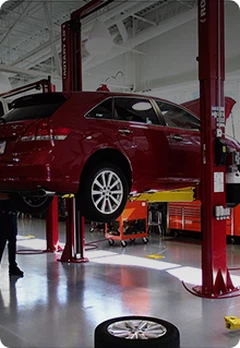
Installing a car lift platform is no walk in the park. You need to have a certain set of skills. Basic mechanical knowledge is a must. You should know how to use tools like wrenches, screwdrivers, and power drills. If you've ever worked on a car engine or done some home improvement projects, you're off to a good start.
However, the skills required go beyond just basic tool - handling. You need to understand the structural requirements of the lift. For example, you need to know how to properly anchor the lift to the floor to ensure it's stable and safe. If you're not confident in your ability to read and understand technical diagrams and instructions, you might run into some serious problems.
As for tools, you'll need a whole arsenal. You'll need a torque wrench to ensure that all the bolts are tightened to the correct specifications. You'll also need a level to make sure the lift is perfectly horizontal. And don't forget about safety equipment like gloves and safety glasses.
Safety First
Safety is the number one concern when it comes to installing a car lift platform. A poorly installed lift can be extremely dangerous. If the lift isn't properly anchored, it could tip over while a car is on it, causing serious injury or even death.
Before you start the installation, make sure you read the manufacturer's instructions carefully. These instructions are there for a reason, and they'll tell you everything you need to know about the installation process. You should also check your local building codes. Some areas have specific requirements for installing car lifts, and you don't want to get in trouble with the law.
Another safety aspect to consider is the weight capacity of the lift. Make sure you know the weight of your car and that the lift you're installing can handle it. Overloading the lift can lead to mechanical failure and potential accidents.
Types of Car Lift Platforms
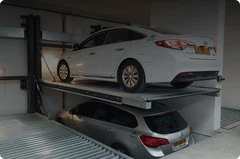
There are different types of car lift platforms available, and each has its own installation requirements. For example, a Floor To Floor Car Lift Platform is designed to move cars between different levels. Installing this type of lift is more complex than a simple two - post lift. It requires a proper shaft and a lot of structural work.
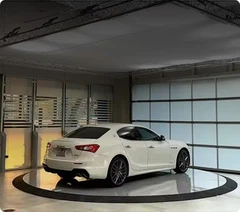
On the other hand, a DAXLIFTER Customized Car Vehicle Rotary Rotating Stage Platform is a unique option. It allows you to rotate your car, which can be handy in tight spaces. The installation of this type of platform also has its own set of challenges, such as ensuring the rotation mechanism works smoothly.
The DIY Process
If you've decided to go ahead with the DIY installation, here's a general overview of the process. First, you need to prepare the installation area. This means cleaning the floor and making sure it's level. You also need to mark the location where the lift will be installed.
Next, you'll start assembling the lift components. This can be a time - consuming process, as you need to make sure all the parts fit together correctly. You'll need to follow the manufacturer's instructions step by step.
Once the lift is assembled, you'll need to anchor it to the floor. This is a critical step, as it ensures the lift's stability. You'll use bolts and concrete anchors to secure the lift in place.
After the lift is anchored, you'll need to connect the hydraulic system (if it's a hydraulic lift). This involves installing hoses and fittings and making sure there are no leaks.
Finally, you'll need to test the lift. Make sure it can lift your car safely and that all the functions work properly.
When to Call in the Professionals
Even if you're a DIY pro, there are times when it's best to call in the professionals. If you're not confident in your skills, or if the installation seems too complex, it's better to hire someone who knows what they're doing. A professional installer has the experience and the tools to ensure a safe and proper installation.
Also, if you run into any problems during the installation process, don't hesitate to seek help. Trying to force a solution on your own could lead to more problems down the road.
Conclusion
So, can you install a car lift platform by yourself? The answer is yes, but it's not for everyone. It requires a certain level of skills, tools, and knowledge. If you're up for the challenge and have done your research, go for it! But if you're not sure, it's better to play it safe and hire a professional.


If you're in the market for a car lift platform, we're here to help. We offer a wide range of high - quality car lift platforms that are designed to meet your needs. Whether you're looking for a simple two - post lift or a more complex floor - to - floor lift, we've got you covered. Contact us to start a discussion about your requirements and let's find the perfect car lift platform for you.
References
- Manufacturer's installation manuals for car lift platforms
- Local building codes and regulations regarding car lift installations
- Industry best practices for car lift installation


