






Do indoor parking lifts need a special foundation? This is a question that many potential buyers and building managers often ask when considering the installation of indoor parking lifts. As a leading indoor parking lift supplier, I have encountered this query numerous times, and I'm here to provide a comprehensive answer based on scientific knowledge and industry experience.
Understanding the Basics of Indoor Parking Lifts
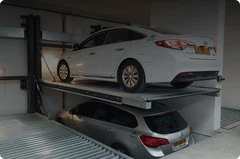
Indoor parking lifts are innovative solutions designed to maximize parking space in limited areas. They come in various types, such as stacker parking lifts, scissor parking lifts, and two - post tiltable parking lifts. Each type has its own unique features and functions, but they all share the common goal of increasing the number of vehicles that can be parked in a given area.
For example, the DAXLIFTER 2.3t - 3.2t 2.1m Home 2 Double Car Vehicle Storage Stacker Parking Lift is a popular choice for residential and commercial settings. It allows two cars to be stacked vertically, effectively doubling the parking capacity in a single parking space. The DAXLIFTER 2.3T Car Garage Scissor Parking Lift is another option, which uses a scissor mechanism to raise and lower the vehicle. This type of lift is known for its stability and smooth operation. And the Two Post Tiltable Parking Lift offers a unique design that can tilt the vehicle, providing easy access for maintenance and storage.
Factors Affecting the Need for a Special Foundation
Whether an indoor parking lift needs a special foundation depends on several factors. Let's take a closer look at these factors:
1. Load Capacity
The load capacity of the parking lift is a crucial factor. If the lift is designed to handle heavy - duty vehicles, such as SUVs or trucks, it will exert more pressure on the floor. For instance, a stacker parking lift that can hold two large SUVs will require a stronger foundation compared to a lift designed for small cars. The weight of the vehicles, combined with the weight of the lift itself, needs to be evenly distributed to prevent damage to the floor.
2. Type of Lift
Different types of parking lifts have different requirements. Scissor parking lifts, for example, have a larger contact area with the floor due to their scissor - like structure. This distributes the weight more evenly, but they may still require a certain level of floor strength. On the other hand, two - post tiltable parking lifts have a more concentrated load on the posts, which means the foundation needs to be able to support this concentrated force.
3. Building Structure
The existing building structure also plays a significant role. If the building has a weak floor or is an older structure, a special foundation may be necessary to ensure the safety and stability of the parking lift. For example, in a building with a concrete slab floor, the thickness and strength of the slab need to be evaluated. If the slab is too thin or has cracks, it may not be able to support the weight of the lift and the vehicles.
4. Installation Location
The location of the lift within the building can also affect the need for a special foundation. If the lift is installed near a wall or in a corner, the distribution of the load may be different compared to a central installation. Additionally, if the lift is installed on an upper floor, the floor structure needs to be able to withstand the additional weight.
Assessing the Need for a Special Foundation
Before installing an indoor parking lift, a thorough assessment of the floor and building structure is essential. This assessment typically includes the following steps:
1. Structural Analysis
A structural engineer should be hired to conduct a detailed analysis of the building's floor and foundation. The engineer will evaluate the load - bearing capacity of the floor, the condition of the concrete slab, and any potential weaknesses in the structure. Based on this analysis, the engineer can determine whether a special foundation is required.
2. Soil Testing
If the building is located on soil, soil testing may be necessary. The soil's bearing capacity can affect the stability of the foundation. If the soil has a low bearing capacity, additional measures such as deep foundations or soil improvement may be required.
3. Lift Manufacturer's Recommendations
The lift manufacturer's recommendations should also be taken into account. The manufacturer will have specific requirements for the installation of their lifts, including the type of foundation needed. These recommendations are based on the design and engineering of the lift and should be followed to ensure the proper functioning and safety of the lift.
When a Special Foundation is Required
In some cases, a special foundation is clearly required. Here are some situations where a special foundation is necessary:
1. High - Load Lifts
As mentioned earlier, high - load lifts that can handle heavy vehicles require a stronger foundation. If the existing floor cannot support the weight of the lift and the vehicles, a special foundation, such as a reinforced concrete slab or a pile foundation, may be needed.
2. Weak Building Structures
In older buildings or buildings with weak floor structures, a special foundation is often necessary. The foundation can help distribute the load more evenly and prevent damage to the existing structure.
3. Unstable Soil Conditions
If the building is located on soil with poor bearing capacity, a special foundation is required to ensure the stability of the lift. This may involve installing deep foundations or using soil improvement techniques.
Benefits of a Special Foundation
Investing in a special foundation for an indoor parking lift offers several benefits:
1. Safety
A special foundation ensures the safety of the lift and the vehicles. It prevents the lift from sinking or shifting, which could lead to accidents and damage to the vehicles.
2. Long - Term Durability
A well - designed special foundation can extend the lifespan of the parking lift. It reduces the stress on the lift components, minimizing wear and tear and reducing the need for frequent maintenance.
3. Compliance with Regulations
In many areas, building codes and regulations require a proper foundation for parking lifts. By installing a special foundation, you can ensure compliance with these regulations and avoid potential legal issues.


