


As a seasoned supplier of car stacker lifts, I often receive inquiries from customers about how to adjust the lifting height of these essential pieces of equipment. In this blog post, I'll share comprehensive insights into this topic, drawing from my years of experience in the industry.
Understanding the Basics of Car Stacker Lifts
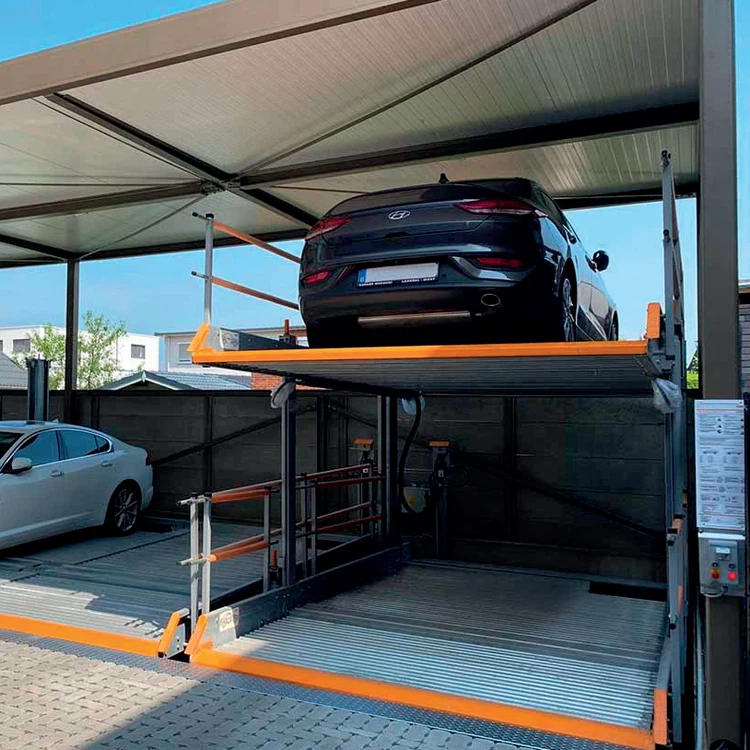
Before delving into the adjustment process, it's crucial to understand the fundamental components and functions of a car stacker lift. A car stacker lift is designed to elevate vehicles to a desired height, providing easy access to the undercarriage for maintenance, repairs, or storage. These lifts come in various types, including scissor lifts, two-post lifts, and four-post lifts, each with its own unique features and operating mechanisms.


Types of Car Stacker Lifts and Their Adjustment Methods
Scissor Car Hoists
Scissor car hoists, such as the DAXLIFTER 3.5T Scissor Car Hoist, are popular for their compact design and versatility. Adjusting the lifting height of a scissor car hoist typically involves the following steps:
- Initial Inspection: Before making any adjustments, ensure that the lift is in good working condition. Check for any signs of damage, leaks, or loose components. Make sure the lift is on a level surface and that the vehicle is properly positioned on the lift.
- Power On: Turn on the power supply to the lift. Most scissor car hoists are powered by an electric motor, which drives the hydraulic system to lift the platform.
- Height Adjustment: Use the control panel or remote control to operate the lift. The control panel usually has buttons or switches for raising and lowering the platform. To increase the lifting height, press the "up" button; to lower the platform, press the "down" button.
- Fine-Tuning: Once the platform reaches the desired height, you may need to fine-tune the position. Some scissor car hoists have a locking mechanism that allows you to secure the platform at a specific height. Make sure the platform is stable and level before proceeding with any work on the vehicle.
Low Profile Scissor Car Garage Lifts
The DAXLIFTER 3.5T Low Profile Scissor Car Garage Lift is designed for use in garages with limited space. Adjusting the lifting height of a low profile scissor car garage lift is similar to that of a standard scissor car hoist, but there are a few additional considerations:
- Clearance: Ensure that there is enough clearance above the lift to accommodate the vehicle at the desired height. Low profile scissor car garage lifts are typically lower to the ground, which means they may require more vertical space to lift the vehicle to a sufficient height.
- Loading Capacity: Check the loading capacity of the lift to ensure that it can safely support the weight of the vehicle. Overloading the lift can cause damage to the lift and pose a safety risk.
- Adjustment Range: Low profile scissor car garage lifts may have a limited adjustment range compared to standard scissor car hoists. Make sure the lift can reach the desired height before using it.
Two-Post Car Electric Hoist Lifts
Two-post car electric hoist lifts, such as the DAXLIFTER 2 Post 3.5t - 5t Car Electric Hoist Lift, are commonly used in automotive repair shops. Adjusting the lifting height of a two-post car electric hoist lift involves the following steps:
- Preparatory Checks: Before operating the lift, inspect the posts, cables, and hydraulic system for any signs of wear or damage. Make sure the lift is properly installed and leveled.
- Vehicle Positioning: Position the vehicle on the lift so that the lifting arms are aligned with the designated lifting points on the vehicle. Use the alignment guides or markings on the lift to ensure proper positioning.
- Lifting Operation: Use the control panel to operate the lift. Press the "up" button to raise the vehicle to the desired height. As the vehicle is lifted, monitor the position of the lift arms and the stability of the vehicle.
- Height Adjustment: Once the vehicle reaches the desired height, you can make fine adjustments using the control panel. Some two-post car electric hoist lifts have a manual override feature that allows you to adjust the height manually in case of an emergency.
Safety Considerations
When adjusting the lifting height of a car stacker lift, safety should always be the top priority. Here are some important safety considerations to keep in mind:
- Read the Manual: Before operating the lift, carefully read the manufacturer's manual to understand the proper operating procedures and safety guidelines.
- Use Proper Personal Protective Equipment (PPE): Wear appropriate PPE, such as safety glasses, gloves, and steel-toed shoes, when working with the lift.
- Inspect the Lift Regularly: Regularly inspect the lift for any signs of wear, damage, or malfunction. Replace any worn or damaged parts immediately.
- Follow the Loading Capacity: Do not exceed the recommended loading capacity of the lift. Overloading the lift can cause it to malfunction or collapse, posing a serious safety risk.
- Keep the Area Clear: Keep the area around the lift clear of any obstacles or debris. Make sure there is enough space for the lift to operate safely.
Troubleshooting Common Issues
If you encounter any issues while adjusting the lifting height of a car stacker lift, here are some common problems and their solutions:
- Lift Not Moving: Check the power supply to the lift. Make sure the power switch is turned on and that the electrical connections are secure. If the lift still does not move, check the hydraulic system for leaks or blockages.
- Uneven Lifting: If the lift is not lifting evenly, check the alignment of the lifting arms or platforms. Make sure the vehicle is properly positioned on the lift and that the lifting points are aligned.
- Noise or Vibration: Excessive noise or vibration during operation may indicate a problem with the lift. Check the hydraulic system, cables, and bearings for any signs of wear or damage.
- Locking Mechanism Malfunction: If the locking mechanism fails to engage or disengage properly, check the locking pins or latches for any signs of damage or misalignment.
Conclusion
Adjusting the lifting height of a car stacker lift is a relatively straightforward process, but it requires careful attention to detail and adherence to safety guidelines. By understanding the different types of car stacker lifts and their adjustment methods, you can ensure that your lift operates safely and efficiently. If you have any further questions or need assistance with adjusting the lifting height of your car stacker lift, please don't hesitate to contact us. We are a leading supplier of car stacker lifts and are committed to providing our customers with high-quality products and excellent customer service.
If you're interested in purchasing a car stacker lift or have any questions about our products, we encourage you to reach out to us for a consultation. Our team of experts is ready to assist you in finding the right lift for your needs and providing you with all the information you need to make an informed decision.
References
- Manufacturer's manuals for DAXLIFTER car stacker lifts
- Industry standards and guidelines for car lift operation and safety