






As a supplier of home car parking lifts, I often receive inquiries from customers about how to adjust the lifting height of these lifts. In this blog post, I will share some practical tips and guidelines on this topic, based on my experience in the industry.
Understanding the Basics of Home Car Parking Lifts
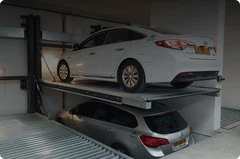
Before we delve into the adjustment process, it's important to understand the different types of home car parking lifts available in the market. The most common types include the DAXLIFTER 2.3t - 3.2t 2.1m Home 2 Double Car Vehicle Storage Stacker Parking Lift DAXLIFTER 2.3t - 3.2t 2.1m Home 2 Double Car Vehicle Storage Stacker Parking Lift, the Two Post Tiltable Parking Lift Two Post Tiltable Parking Lift, and the DAXLIFTER 2.3T Car Garage Scissor Parking Lift DAXLIFTER 2.3T Car Garage Scissor Parking Lift. Each type has its own unique features and mechanisms for adjusting the lifting height.


Factors Affecting Lifting Height Adjustment
Several factors can influence the adjustment of the lifting height of a home car parking lift. These include the type of lift, the weight of the vehicle, the hydraulic system, and the safety features.
- Type of Lift: Different types of lifts have different adjustment mechanisms. For example, scissor lifts typically use a hydraulic system to raise and lower the platform, while stacker lifts may have a more complex system involving chains and pulleys.
- Vehicle Weight: The weight of the vehicle being lifted is an important consideration. Heavier vehicles may require more power to lift, which can affect the maximum lifting height.
- Hydraulic System: The hydraulic system is responsible for providing the force needed to lift the vehicle. A well - maintained hydraulic system is essential for proper height adjustment.
- Safety Features: Most home car parking lifts are equipped with safety features such as limit switches and overload protection. These features can limit the lifting height to ensure the safety of the vehicle and the user.
Step - by - Step Guide to Adjusting the Lifting Height
1. Read the Manual
The first step in adjusting the lifting height of your home car parking lift is to read the user manual carefully. The manual will provide specific instructions on how to operate and adjust the lift, as well as important safety information.
2. Check the Hydraulic Fluid
If your lift uses a hydraulic system, check the hydraulic fluid level. Low fluid levels can affect the performance of the lift and may prevent it from reaching the desired height. If the fluid level is low, add the recommended type of hydraulic fluid according to the manual.
3. Inspect the Lift Components
Before making any adjustments, inspect the lift components for any signs of damage or wear. Check the chains, cables, and hydraulic hoses for any fraying, leaks, or other issues. If you notice any problems, it's important to address them before proceeding with the height adjustment.
4. Adjust the Limit Switches
Most home car parking lifts are equipped with limit switches that control the maximum and minimum lifting heights. To adjust the lifting height, you may need to adjust these limit switches. This usually involves loosening the mounting bolts and moving the switch to the desired position. Make sure to tighten the bolts securely after making the adjustment.
5. Test the Lift
After making the adjustments, test the lift to ensure that it is working properly. Slowly raise and lower the lift to the desired height and check for any unusual noises or vibrations. If the lift does not operate smoothly or if there are any issues, stop using the lift immediately and consult the manual or a professional technician.
Common Problems and Solutions
- Lift Not Reaching the Desired Height: This could be due to low hydraulic fluid, a faulty hydraulic pump, or a problem with the limit switches. Check the fluid level, inspect the pump, and adjust the limit switches as needed.
- Lift Moving Too Slowly or Too Quickly: If the lift is moving too slowly, it may be due to a clogged hydraulic filter or a problem with the hydraulic pump. If it is moving too quickly, it could be a sign of a leak in the hydraulic system. Check the filter, pump, and hoses for any issues.
- Lift Making Unusual Noises: Unusual noises can indicate a problem with the lift components, such as worn - out bearings or loose bolts. Inspect the components and tighten any loose bolts. If the noise persists, consult a professional technician.
Importance of Regular Maintenance
Regular maintenance is crucial for ensuring the proper functioning and longevity of your home car parking lift. This includes checking the hydraulic fluid, inspecting the lift components, and lubricating moving parts. By following a regular maintenance schedule, you can prevent many common problems and ensure that your lift operates safely and efficiently.
Conclusion
Adjusting the lifting height of a home car parking lift requires a basic understanding of the lift's mechanisms and proper safety procedures. By following the steps outlined in this blog post and performing regular maintenance, you can ensure that your lift operates at its best and provides a safe and convenient way to park your vehicles.
If you are interested in purchasing a home car parking lift or have any questions about adjusting the lifting height, please feel free to contact us for more information. We are here to help you find the right lift for your needs and provide you with the support you need to keep it in top condition.
References
- Manufacturer's user manuals for home car parking lifts
- Industry standards and guidelines for car parking lift safety and operation


