







Hey there! I'm a supplier of Home Car Parking Lifts, and I know that one of the most crucial steps during the installation of a home car parking lift is leveling it properly. A well - leveled lift not only ensures the safety of your vehicle but also extends the lifespan of the lift itself. In this blog, I'll share with you how I level a home car parking lift during installation.
Why is Leveling Important?
Before we get into the how - to part, let's talk about why leveling is so important. A non - level lift can cause uneven stress on the lift's components. This means that some parts of the lift will wear out faster than others, leading to premature failure. Also, an unlevel lift can make it difficult to drive your car onto and off the lift safely. Your vehicle might tilt to one side, increasing the risk of it falling off the lift or getting damaged.
Tools You'll Need
To level a home car parking lift, you'll need a few basic tools. A good quality spirit level is a must - have. You can get one at any hardware store. A set of shims is also essential. Shims are thin pieces of material, usually made of metal or plastic, that you can use to adjust the height of the lift's legs. A wrench or socket set will come in handy for tightening and loosening bolts. And don't forget a measuring tape to double - check your measurements.
Step 1: Prepare the Installation Area
First things first, you need to prepare the area where you're going to install the lift. Make sure the floor is clean and free of any debris. Check for any cracks or unevenness in the floor. If there are any major issues with the floor, you might need to repair it before proceeding with the lift installation.
Measure the area to ensure it's large enough for the lift. Different models of home car parking lifts have different size requirements. For example, the DAXLIFTER Home 4 Post Auto Car Hoist Stacker Parking Lift with Custom Service has specific dimensions that you need to consider.
Step 2: Assemble the Lift
Follow the manufacturer's instructions to assemble the lift. This usually involves attaching the columns, cross - beams, and other components. Make sure all the bolts are tightened properly, but don't over - tighten them at this stage. You'll need to make some adjustments later when leveling the lift.
Step 3: Initial Placement
Once the lift is assembled, carefully place it in the installation area. Try to get it as close to level as possible by eye. This will make the subsequent leveling process easier.
Step 4: Check the Level
Now, it's time to use your spirit level. Place the spirit level on one of the lift's platforms. Check both the horizontal and vertical levels. If the bubble in the spirit level is not centered, it means the lift is not level.
Start by checking the four corners of the lift. Place the spirit level at each corner and note the degree of unlevelness. You might find that one corner is higher or lower than the others.
Step 5: Adjust with Shims
If the lift is not level, you'll need to use shims to adjust the height. For example, if a corner is lower than the others, place a shim under the leg at that corner. Start with a thin shim and gradually add more if needed.
After placing the shim, re - check the level with the spirit level. Keep adjusting the shims until the bubble in the spirit level is centered. Repeat this process for all four corners of the lift.


Step 6: Check the Diagonals
In addition to leveling the corners, it's also important to check the diagonals of the lift. Measure the distance between opposite corners of the lift using a measuring tape. The two diagonal measurements should be equal. If they're not, it means the lift is not square, which can also cause problems.
If the diagonals are not equal, you might need to adjust the position of the lift slightly. Loosen the bolts at the base of the lift and gently push or pull the lift until the diagonal measurements are the same. Then retighten the bolts.
Step 7: Final Checks
Once you've adjusted the lift to be level and square, do a final check with the spirit level. Make sure all the platforms of the lift are level both horizontally and vertically. Check all the bolts again to ensure they're tightened properly.
Also, test the lift by slowly raising and lowering it a few times. Observe if there are any unusual noises or movements. If everything seems okay, your lift is now properly leveled and ready to use.
Different Types of Lifts and Leveling Considerations
There are different types of home car parking lifts, and each type might have some unique leveling considerations.
4 - Post Lifts
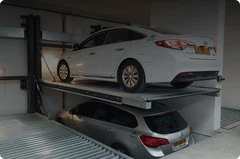
The DAXLIFTER Home 4 Post Auto Car Hoist Stacker Parking Lift with Custom Service is a popular choice. These lifts have four columns that support the platforms. When leveling a 4 - post lift, it's crucial to make sure all four columns are at the same height. You need to pay extra attention to the alignment of the columns to ensure the lift operates smoothly.
2 - Post Lifts
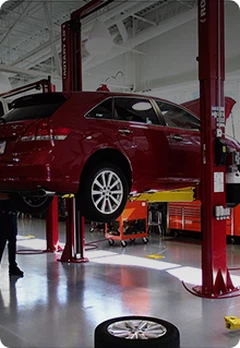
The DAXLIFTER 2.3t - 3.2t 2.1m Home 2 Double Car Vehicle Storage Stacker Parking Lift is a 2 - post lift. These lifts have two columns, and they rely on proper alignment for safe operation. When leveling a 2 - post lift, make sure the columns are parallel to each other and at the correct height. Any misalignment can cause the lift to tilt or not function properly.
Scissor Lifts
Scissor lifts, like the DAXLIFTER 2.3T Car Garage Scissor Parking Lift, have a different design. They use a scissor - like mechanism to raise and lower the platform. When leveling a scissor lift, you need to focus on the base of the lift to ensure it's stable and level. Unevenness at the base can cause the scissor mechanism to bind or not operate smoothly.
Leveling for Different Floor Types
The type of floor you're installing the lift on can also affect the leveling process.
Concrete Floors
Concrete floors are a common choice for home car parking lifts. They're usually quite sturdy, but they can still have some minor unevenness. You can use shims to adjust the lift on a concrete floor easily. Just make sure the shims are firmly in place and that the lift's legs are making good contact with the floor.
Wood Floors
If you're installing the lift on a wood floor, you need to be extra careful. Wood floors can be more flexible than concrete floors, so you might need to use thicker shims or additional support to ensure the lift is stable. Also, make sure the wood floor can support the weight of the lift and the vehicle.
Conclusion
Leveling a home car parking lift during installation is a crucial step that requires patience and attention to detail. By following the steps outlined in this blog, you can ensure that your lift is installed correctly and safely.
If you're interested in purchasing a home car parking lift, we offer a wide range of high - quality products, including the ones mentioned above. We're always here to help with any questions you might have about installation, leveling, or maintenance. Feel free to reach out to us for more information and to start the procurement negotiation process.
References
- General knowledge from years of experience in the home car parking lift industry.
- Manufacturer's installation manuals for various home car parking lift models.


