


Transporting a car stacker lift is a crucial task that requires careful planning and execution, especially when you're a supplier like me. In this blog, I'll share my insights and experiences on how to transport a car stacker lift effectively and safely.
Understanding the Car Stacker Lift
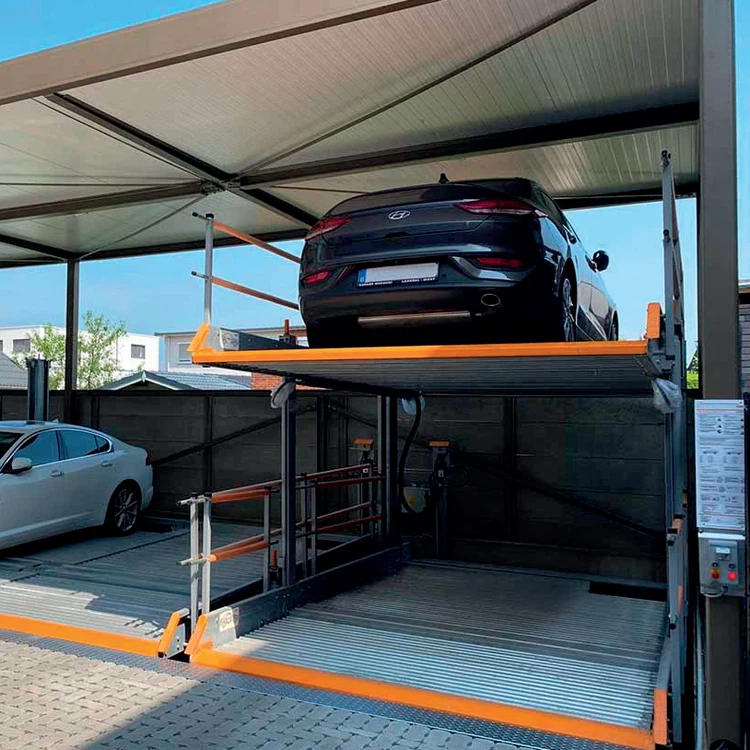
Before we delve into the transportation process, it's essential to understand what a car stacker lift is. A car stacker lift is a mechanical device used to stack vehicles vertically, maximizing parking space in limited areas. These lifts come in various types, including scissor lifts, two-post lifts, and four-post lifts, each with its own unique design and specifications.
As a car stacker lift supplier, I offer a range of high-quality products, such as the DAXLIFTER 3.5T Scissor Car Hoist, DAXLIFTER 3T Mid Rise Scissor Car Lift, and DAXLIFTER 4T Scissor Type Vehicle Lift. These lifts are designed to meet the diverse needs of our customers, from small garages to large parking facilities.
Pre-Transportation Preparation
The first step in transporting a car stacker lift is to conduct a thorough pre-transportation preparation. This includes the following:
Inspection and Maintenance
Before transportation, it's crucial to inspect the car stacker lift for any damage or defects. Check all the components, including the hydraulic system, electrical system, and structural parts, to ensure they are in good working condition. If any issues are found, they should be repaired or replaced before transportation.
Disassembly
In most cases, car stacker lifts need to be disassembled before transportation to reduce their size and weight. This involves removing any detachable parts, such as the platform, arms, and hydraulic cylinders. Make sure to label all the parts clearly to facilitate reassembly at the destination.
Packaging
Proper packaging is essential to protect the car stacker lift during transportation. Use high-quality packaging materials, such as wooden crates, foam padding, and plastic wraps, to prevent damage from impacts, vibrations, and moisture. Secure all the parts tightly inside the packaging to avoid shifting during transit.
Documentation
Prepare all the necessary documentation for transportation, including the bill of lading, packing list, and customs clearance documents. Make sure to provide accurate information about the car stacker lift, such as its model, specifications, and weight, to avoid any delays or issues at the border.
Choosing the Right Transportation Method
The next step is to choose the right transportation method for the car stacker lift. The choice of transportation method depends on several factors, including the size and weight of the lift, the distance to the destination, and the budget.
Road Transportation
Road transportation is the most common method for transporting car stacker lifts, especially for short to medium distances. It offers several advantages, such as flexibility, door-to-door delivery, and relatively lower costs. However, it also has some limitations, such as limited capacity and potential traffic delays.
When choosing a road transportation provider, make sure to select a reputable company with experience in transporting heavy equipment. Check their insurance coverage, safety record, and transportation equipment to ensure they can handle the car stacker lift safely and efficiently.
Rail Transportation
Rail transportation is a suitable option for transporting car stacker lifts over long distances. It offers several advantages, such as large capacity, high reliability, and lower environmental impact. However, it also has some limitations, such as limited flexibility and longer transit times.
When choosing a rail transportation provider, make sure to select a company that offers direct service to the destination and has expertise in handling heavy equipment. Check their loading and unloading facilities, as well as their schedules, to ensure they can meet your transportation needs.
Sea Transportation
Sea transportation is the preferred method for transporting car stacker lifts internationally. It offers several advantages, such as large capacity, cost-effectiveness, and the ability to transport heavy and oversized cargo. However, it also has some limitations, such as longer transit times and potential customs clearance issues.
When choosing a sea transportation provider, make sure to select a company that has experience in handling heavy equipment and offers reliable services. Check their shipping schedules, ports of call, and container types to ensure they can meet your transportation needs.
Loading and Unloading
Once the transportation method has been chosen, the next step is to load and unload the car stacker lift safely and efficiently. This requires the use of specialized equipment, such as cranes, forklifts, and pallet jacks, and the expertise of trained professionals.
Loading
When loading the car stacker lift onto the transportation vehicle, make sure to follow the manufacturer's instructions and safety guidelines. Use the appropriate lifting equipment to lift the lift carefully and place it on the vehicle in a stable and secure position. Secure the lift tightly to the vehicle using straps, chains, or other fastening devices to prevent it from shifting during transit.


Unloading
When unloading the car stacker lift at the destination, make sure to use the same equipment and procedures as during loading. Follow the manufacturer's instructions and safety guidelines to ensure the lift is unloaded safely and without damage. Once the lift has been unloaded, inspect it again for any damage or defects before reassembly.
Reassembly and Installation
After the car stacker lift has been transported to the destination, the next step is to reassemble and install it. This requires the expertise of trained professionals and the use of specialized tools and equipment.
Reassembly
Follow the manufacturer's instructions and the labeled parts to reassemble the car stacker lift carefully. Make sure to connect all the components correctly and tighten all the bolts and nuts to the specified torque. Check all the connections and systems to ensure they are working properly before proceeding with the installation.
Installation
Install the car stacker lift in accordance with the manufacturer's instructions and local building codes. Make sure to level the lift properly and secure it to the floor using the appropriate anchors or bolts. Connect the hydraulic and electrical systems and test the lift to ensure it is working safely and efficiently.
Post-Transportation Follow-Up
After the car stacker lift has been installed, it's important to conduct a post-transportation follow-up to ensure everything is working properly. This includes the following:
Inspection and Testing
Inspect the car stacker lift again to ensure all the components are in good working condition. Test the lift under different loads and operating conditions to check its performance and safety. If any issues are found, they should be addressed immediately to prevent further damage or accidents.
Training and Support
Provide training and support to the end-users on how to operate and maintain the car stacker lift safely and efficiently. Make sure they understand the safety procedures, maintenance requirements, and troubleshooting techniques. Offer ongoing support and assistance to ensure the lift continues to perform at its best.
Customer Feedback
Collect feedback from the customers on their experience with the transportation and installation of the car stacker lift. Use this feedback to identify areas for improvement and make necessary adjustments to your transportation and installation processes.
Conclusion
Transporting a car stacker lift requires careful planning, preparation, and execution. By following the steps outlined in this blog, you can ensure the safe and efficient transportation of your car stacker lift from the supplier to the destination. As a car stacker lift supplier, we are committed to providing our customers with high-quality products and services, including reliable transportation and installation solutions. If you have any questions or need further assistance with transporting a car stacker lift, please don't hesitate to contact us for more information. We look forward to working with you and helping you meet your car stacker lift needs.
References
- Manufacturer's manuals and instructions for car stacker lifts
- Industry standards and guidelines for transporting heavy equipment
- Transportation regulations and requirements in different countries and regions