







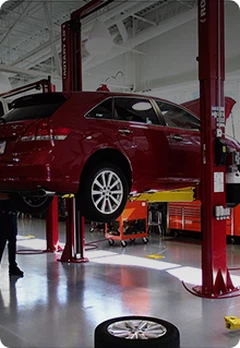

Regular maintenance is crucial for the optimal performance and longevity of a car hoist. One of the most important maintenance tasks is lubrication. As a car hoist supplier, I've seen firsthand the difference proper lubrication can make in the functionality and lifespan of these essential garage tools. In this blog, I'll guide you through the process of lubricating a car hoist, ensuring it operates smoothly and safely for years to come.
Why Lubrication Matters
Before we dive into the how-to, let's understand why lubrication is so important. A car hoist is a complex piece of equipment with many moving parts, such as chains, gears, and pivot points. Over time, these parts can experience friction, which leads to wear and tear, increased energy consumption, and even potential safety hazards. Lubrication reduces friction between moving parts, preventing premature wear, minimizing noise, and ensuring the hoist operates efficiently. It also helps to protect the metal surfaces from corrosion, extending the overall lifespan of the hoist.
Types of Lubricants
There are several types of lubricants available, each designed for specific applications. When it comes to car hoists, the most commonly used lubricants are:
- Grease: Grease is a thick, semi-solid lubricant that adheres well to surfaces and provides long-lasting lubrication. It's ideal for areas that require heavy lubrication, such as pivot points and joints.
- Oil: Oil is a liquid lubricant that offers excellent lubrication and cooling properties. It's suitable for high-speed moving parts, such as chains and gears.
Step-by-Step Guide to Lubricating a Car Hoist
Step 1: Gather Your Tools and Materials
Before you start lubricating your car hoist, you'll need to gather the necessary tools and materials. Here's what you'll need:
- Lubricant (grease or oil, depending on the hoist's requirements)
- Grease gun (if using grease)
- Oil can (if using oil)
- Clean rags
- Safety glasses and gloves
Step 2: Prepare the Hoist
Safety should always be your top priority when working with a car hoist. Before you begin lubricating, make sure the hoist is in a safe and stable position. Lower the hoist to its fully down position and engage the safety locks. Disconnect the power supply to prevent accidental operation.
Step 3: Identify the Lubrication Points
Every car hoist has specific lubrication points that need to be addressed. Refer to the hoist's user manual to identify these points. Common lubrication points include:
- Pivot points and joints
- Chains and sprockets
- Gears
- Cylinders and pistons
Step 4: Clean the Lubrication Points
Before applying lubricant, it's important to clean the lubrication points to remove any dirt, debris, or old lubricant. Use a clean rag to wipe down the surfaces. This will ensure that the new lubricant can adhere properly and provide effective lubrication.


Step 5: Apply the Lubricant
Once the lubrication points are clean, it's time to apply the lubricant. Follow these guidelines for each type of lubricant:
- Grease: If you're using grease, load the grease gun with the appropriate grease. Attach the grease gun to the grease fitting at each lubrication point and pump the handle until you see a small amount of fresh grease挤出. Wipe away any excess grease with a clean rag.
- Oil: If you're using oil, fill the oil can with the recommended oil. Apply a few drops of oil to each lubrication point, such as the chains and gears. Use a clean rag to spread the oil evenly.
Step 6: Check for Proper Lubrication
After applying the lubricant, operate the hoist through its full range of motion to ensure that the lubricant is distributed evenly. Listen for any unusual noises or signs of resistance. If you notice any issues, check the lubrication points again to make sure they're properly lubricated.
Step 7: Clean Up
Once you've finished lubricating the hoist, clean up any spills or excess lubricant. Wipe down the hoist with a clean rag to remove any dirt or debris. Store the tools and materials in a safe place.
Recommended Lubrication Intervals
The frequency of lubrication depends on several factors, such as the hoist's usage, operating conditions, and the type of lubricant used. As a general rule of thumb, it's recommended to lubricate your car hoist every three to six months. However, if the hoist is used frequently or in harsh conditions, you may need to lubricate it more often. Refer to the hoist's user manual for specific lubrication intervals.
Our Car Hoist Products
At our company, we offer a wide range of high-quality car hoists to meet the needs of different customers. Here are some of our popular products:
- DAXLIFTER 3.5T Low Profile Scissor Car Garage Lift: This lift is perfect for home garages and small workshops. It features a low profile design, making it easy to drive vehicles onto the lift.
- DAXLIFTER 3.5T Scissor Car Hoist: This hoist is a versatile and reliable option for professional garages. It offers a high lifting capacity and smooth operation.
- DAXLIFTER 3T Mid Rise Scissor Car Lift: This lift is ideal for quick and easy vehicle maintenance. It provides a mid-rise height, allowing for easy access to the underside of the vehicle.
Conclusion
Lubricating a car hoist is a simple yet essential maintenance task that can significantly improve its performance and lifespan. By following the steps outlined in this blog and using the recommended lubricants, you can ensure that your car hoist operates smoothly and safely. If you have any questions or need further assistance, please don't hesitate to contact us. We're here to help you keep your car hoist in top condition. Whether you're a professional mechanic or a DIY enthusiast, our high-quality car hoists and expert advice can meet your needs. Contact us today to discuss your requirements and explore our range of products.
References
- Manufacturer's user manuals for car hoists
- Industry standards and best practices for car hoist maintenance


