






Hey there! As a supplier of commercial parking lifts, I've seen firsthand the challenges that come with managing a limited - space parking lot. In this blog, I'm gonna share some tips on how to optimize the use of a commercial parking lift in such a situation.
Understanding the Basics of Commercial Parking Lifts
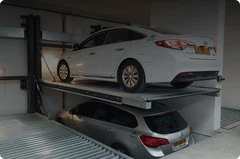
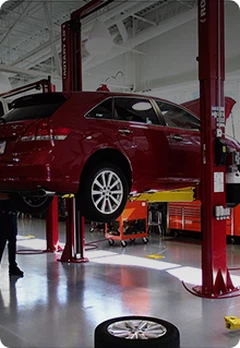
First off, let's quickly go over what commercial parking lifts are. These are mechanical devices designed to stack cars vertically, allowing you to fit more vehicles in a smaller area. There are different types, like the 4 - post auto car hoist stacker parking lift, the 2 - double car vehicle storage stacker parking lift, and the two - post tiltable parking lift.


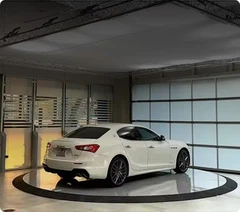
For example, the DAXLIFTER Home 4 Post Auto Car Hoist Stacker Parking Lift with Custom Service is a great option for many parking lots. It can be customized to fit your specific needs, and it's built to handle different vehicle weights and sizes. The DAXLIFTER 2.3t - 3.2t 2.1m Home 2 Double Car Vehicle Storage Stacker Parking Lift is another popular choice. It's compact and efficient, perfect for limited - space areas. And if you're looking for something a bit different, the Two Post Tiltable Parking Lift offers a unique way to park cars, with its tiltable design.
Analyzing Your Parking Lot Space
The first step in optimizing the use of a commercial parking lift is to really understand your parking lot space. Measure the length, width, and height of the area. Consider any columns, walls, or other obstacles that might affect the installation and operation of the lift.
You also need to think about the traffic flow in the parking lot. How do cars enter and exit? Will the lift block the way? You want to make sure that the lift doesn't cause any congestion or safety issues.
For instance, if your parking lot has a narrow entrance, you might need to choose a lift that can be installed in a way that doesn't impede the entry of vehicles. Or if there are low ceilings, you'll need a lift with a lower profile.
Choosing the Right Lift for Your Needs
Based on your space analysis, it's time to choose the right lift. There are several factors to consider.
Capacity: Think about the size and weight of the vehicles that will be using the lift. If you expect to have larger vehicles, like SUVs or trucks, you'll need a lift with a higher weight capacity.
Design: As mentioned earlier, there are different types of lifts. Each has its own advantages and disadvantages. For example, a 4 - post lift is very stable and can handle heavy vehicles, but it might take up more floor space. A 2 - post lift is more compact but might not be as suitable for larger vehicles.
Ease of Use: You want a lift that is easy for your customers or employees to operate. Look for features like user - friendly controls, clear instructions, and safety mechanisms.
Installation and Placement
Once you've chosen the right lift, proper installation and placement are crucial. Make sure to hire a professional installer who has experience with commercial parking lifts. They'll know how to install the lift correctly, ensuring its safety and functionality.
When it comes to placement, try to position the lift in a central location that is easily accessible. This will make it more convenient for users to park and retrieve their vehicles. Also, make sure there is enough clearance around the lift for cars to maneuver.
Maintenance and Safety
Regular maintenance is essential to keep your commercial parking lift in good working condition. Follow the manufacturer's recommended maintenance schedule, which might include tasks like lubricating moving parts, checking hydraulic systems, and inspecting safety features.
Safety should always be a top priority. Make sure your lift has proper safety mechanisms, such as emergency stop buttons, safety locks, and overload protection. Provide clear instructions to users on how to use the lift safely.
Training Your Staff and Customers
It's important to train your staff and customers on how to use the commercial parking lift correctly. This will not only ensure their safety but also prevent any damage to the lift.
You can create a simple training guide or provide on - site training. Make sure to cover topics like how to park on the lift, how to operate the controls, and what to do in case of an emergency.
Maximizing Space Utilization
To really optimize the use of your commercial parking lift in a limited - space parking lot, you can use some creative strategies.
Stacking Cars Efficiently: Teach your users how to park their cars in a way that maximizes the space on the lift. For example, they can park their cars closer together or at an angle to fit more vehicles.
Using Multiple Lifts: If your parking lot has enough space, consider installing multiple lifts. This can significantly increase the number of vehicles you can park.
Dynamic Parking Management: Use a parking management system to keep track of available spaces on the lifts. This can help you allocate spaces more efficiently and reduce the time it takes for users to find a parking spot.
Cost - Benefit Analysis
When considering the use of a commercial parking lift, it's important to do a cost - benefit analysis. The initial cost of purchasing and installing a lift can be significant, but it can also lead to long - term savings.
By increasing the number of parking spaces in your limited - space parking lot, you can generate more revenue from parking fees. You can also attract more customers who are looking for convenient parking options.
Conclusion
Optimizing the use of a commercial parking lift in a limited - space parking lot requires careful planning, the right equipment, and proper maintenance. By following the tips I've shared in this blog, you can make the most of your parking lot space and provide a better parking experience for your customers.
If you're interested in learning more about our commercial parking lifts or have any questions about how to optimize your parking lot, feel free to reach out. We're here to help you find the best solution for your needs.
References
- Parking Lot Design and Management Handbook
- Commercial Parking Lift Manufacturer's Manuals


