






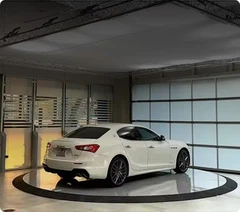



In the field of precision engineering, multi - axis rotary stages play a crucial role in a wide range of applications, from semiconductor manufacturing to optical testing. However, one persistent challenge that often plagues these systems is cross - talk. Cross - talk refers to the unwanted interaction between different axes of a multi - axis rotary stage, which can lead to inaccuracies, reduced performance, and even system failures. As a reputable rotary stage supplier, we understand the significance of this issue and have extensive experience in dealing with it. In this blog post, we will explore various strategies to reduce cross - talk in a multi - axis rotary stage.
Understanding Cross - Talk in Multi - Axis Rotary Stages
Before delving into the solutions, it's essential to understand the root causes of cross - talk. Cross - talk can occur due to several factors, including mechanical coupling, electrical interference, and improper control algorithms.
Mechanical coupling is one of the primary sources of cross - talk. In a multi - axis rotary stage, the physical components of different axes are often in close proximity to each other. When one axis moves, it can generate vibrations and forces that are transmitted to other axes through the mechanical structure. For example, if a rotary stage has a complex gear system, the movement of one gear can cause slight displacements in adjacent gears, leading to cross - talk.
Electrical interference is another significant factor. In modern multi - axis rotary stages, electrical motors, sensors, and control circuits are used to drive and monitor the movement of each axis. These electrical components can generate electromagnetic fields that interfere with each other. For instance, the electromagnetic field generated by a motor on one axis can induce unwanted voltages in the sensors of another axis, resulting in inaccurate position readings and cross - talk.
Improper control algorithms can also contribute to cross - talk. If the control system is not designed to account for the interactions between different axes, it may apply incorrect control signals, causing one axis to respond to the movement of another axis.
Strategies to Reduce Cross - Talk
1. Mechanical Design Optimization
One of the most effective ways to reduce cross - talk is through mechanical design optimization. This involves carefully selecting the materials and components of the rotary stage and designing the mechanical structure to minimize mechanical coupling.
- Use of Isolation Materials: Incorporating isolation materials between different axes can help reduce the transmission of vibrations and forces. For example, rubber or foam pads can be placed between the mounting surfaces of different axes to absorb vibrations. These isolation materials act as a buffer, preventing the vibrations generated by one axis from reaching other axes.
- Stiffness Enhancement: Increasing the stiffness of the mechanical structure can also reduce cross - talk. A stiffer structure is less likely to deform under the influence of external forces, which helps to maintain the position accuracy of each axis. This can be achieved by using high - strength materials and optimizing the shape and size of the structural components. For example, using thick - walled aluminum or steel frames can significantly improve the stiffness of the rotary stage.
- Decoupling Mechanisms: Designing decoupling mechanisms between different axes can isolate the movement of each axis. For instance, using flexible couplings or ball joints can allow each axis to move independently without transmitting excessive forces to other axes. These decoupling mechanisms ensure that the movement of one axis does not interfere with the operation of other axes.
2. Electrical Shielding and Filtering
To address electrical interference, electrical shielding and filtering techniques can be employed.
- Shielded Cables: Using shielded cables for electrical connections can prevent electromagnetic interference. The shield around the cable acts as a barrier, blocking the electromagnetic fields from entering or leaving the cable. This helps to ensure that the electrical signals transmitted through the cables are not corrupted by external electromagnetic fields.
- Filter Circuits: Installing filter circuits in the electrical system can remove unwanted electrical noise. Low - pass filters, for example, can be used to block high - frequency noise that may cause cross - talk. These filters allow only the desired frequency components of the electrical signals to pass through, reducing the interference between different electrical components.
- Grounding Optimization: Proper grounding is crucial for reducing electrical interference. Ensuring that all electrical components are properly grounded can provide a common reference potential and prevent the buildup of static charges. This helps to minimize the electromagnetic interference between different components and reduces cross - talk.
3. Advanced Control Algorithms
Implementing advanced control algorithms can also help reduce cross - talk by compensating for the interactions between different axes.
- Feed - Forward Control: Feed - forward control algorithms can predict the effects of one axis on another and apply corrective actions in advance. By measuring the input signals and disturbances of one axis, the control system can calculate the expected cross - talk effects on other axes and adjust the control signals accordingly. This proactive approach helps to minimize the cross - talk during the operation of the rotary stage.
- Adaptive Control: Adaptive control algorithms can continuously adjust the control parameters based on the real - time operating conditions of the rotary stage. These algorithms can adapt to changes in the mechanical and electrical properties of the system, such as changes in load or temperature, and optimize the control signals to reduce cross - talk. For example, if the system detects an increase in cross - talk due to a change in load, the adaptive control algorithm can automatically adjust the control gains to compensate for the change.
Real - World Applications and Case Studies
In real - world applications, reducing cross - talk in multi - axis rotary stages is of utmost importance. For example, in semiconductor manufacturing, high - precision multi - axis rotary stages are used for wafer processing. Any cross - talk in these stages can lead to misalignment of the wafer, resulting in defective products. By implementing the strategies mentioned above, our company has successfully reduced cross - talk in rotary stages used in semiconductor manufacturing, improving the yield and quality of the products.
Another example is in optical testing applications. In optical testing systems, multi - axis rotary stages are used to position optical components accurately. Cross - talk in these stages can cause errors in the measurement of optical properties, such as refractive index and transmission. By optimizing the mechanical design, electrical shielding, and control algorithms, we have helped our customers achieve more accurate and reliable optical testing results.
Conclusion
Reducing cross - talk in a multi - axis rotary stage is a complex but achievable goal. By implementing a combination of mechanical design optimization, electrical shielding and filtering, and advanced control algorithms, we can significantly reduce the cross - talk and improve the performance of the rotary stage. As a rotary stage supplier, we are committed to providing our customers with high - quality products that meet their specific requirements. If you are in need of a multi - axis rotary stage or have any questions about reducing cross - talk, please feel free to contact us for procurement and further discussions. We are always ready to offer our expertise and support to help you find the best solution for your application.
If you are also interested in related products, you can check out Floor To Floor Car Lift Platform and DAXLIFTER Customized Car Vehicle Rotary Rotating Stage Platform.


References
- Smith, J. (2018). Precision Engineering: Principles and Applications. New York: Wiley.
- Johnson, A. (2019). Electrical Interference in Mechatronic Systems. London: Elsevier.
- Brown, C. (2020). Control Algorithms for Multi - Axis Motion Systems. Berlin: Springer.


