






As a seasoned supplier of car elevators, I've encountered a wide array of issues that car elevator owners face. In this blog post, I'll share some practical tips on how to troubleshoot common problems in a car elevator. Whether you're a facility manager, a car enthusiast with a private elevator, or someone responsible for a commercial parking structure, these insights will help you keep your car elevator running smoothly.
Electrical Malfunctions
One of the most frequent problems in car elevators is electrical issues. These can range from minor glitches to major breakdowns. Here are some steps to troubleshoot electrical problems:
Check the Power Supply
The first thing you should do is ensure that the elevator is receiving power. Check the circuit breaker or fuse box to see if any breakers have tripped or fuses have blown. If so, reset the breaker or replace the fuse. It's also a good idea to check the power cord for any signs of damage, such as fraying or cuts.
Inspect the Control Panel
The control panel is the brain of the car elevator. If the elevator isn't responding to commands, there could be an issue with the control panel. Look for any error messages on the display. Some modern car elevators have diagnostic systems that can provide detailed information about the problem. If you see an error code, refer to the elevator's manual for troubleshooting instructions.
Test the Limit Switches
Limit switches are safety devices that stop the elevator when it reaches the top or bottom of its travel. If the elevator isn't stopping at the correct levels, the limit switches may be malfunctioning. You can test the limit switches by manually operating them and checking if the elevator responds as expected. If a limit switch is faulty, it should be replaced immediately.
Mechanical Problems
Mechanical issues can also cause problems in car elevators. These can include issues with the cables, pulleys, and hydraulic systems.
Examine the Cables and Pulleys
The cables and pulleys are responsible for lifting and lowering the elevator platform. Over time, the cables can become worn or frayed, and the pulleys can develop issues. Inspect the cables for any signs of damage, such as rust, corrosion, or broken strands. Check the pulleys for proper alignment and smooth operation. If you notice any problems with the cables or pulleys, they should be repaired or replaced by a professional.
Check the Hydraulic System
Hydraulic car elevators rely on a hydraulic system to lift and lower the platform. If the elevator is moving slowly or not at all, there could be an issue with the hydraulic system. Check the hydraulic fluid level and look for any signs of leaks. Low fluid levels or leaks can cause the elevator to malfunction. If you suspect a problem with the hydraulic system, it's best to call a qualified technician.
Safety Issues
Safety is of utmost importance when it comes to car elevators. Here are some common safety issues and how to troubleshoot them:
Door Malfunctions
The doors of a car elevator are critical safety features. If the doors aren't closing properly or are opening unexpectedly, it can pose a serious risk. Check the door sensors to make sure they're working correctly. Clean the sensors and remove any debris that may be blocking them. If the doors still aren't functioning properly, there could be an issue with the door mechanism or the control system.
Emergency Stop Button
The emergency stop button is a crucial safety device that allows you to stop the elevator in case of an emergency. Test the emergency stop button regularly to make sure it's working. If the button isn't functioning, it should be repaired or replaced immediately.
Software and Programming Problems
Modern car elevators often rely on software and programming to operate. If the elevator is behaving erratically or not following the correct sequence of operations, there could be a software or programming issue.
Update the Software
Check if there are any software updates available for your car elevator. Manufacturers often release updates to fix bugs and improve performance. Follow the instructions in the elevator's manual to update the software.


Reset the System
Sometimes, a simple system reset can fix software glitches. Refer to the elevator's manual for instructions on how to reset the system. This may involve powering off the elevator, waiting for a few minutes, and then powering it back on.
Conclusion
Troubleshooting common problems in a car elevator requires a combination of knowledge, experience, and the right tools. By following the steps outlined in this blog post, you can identify and resolve many of the issues that car elevators face. However, if you're unsure about how to proceed or if the problem persists, it's always best to contact a professional car elevator technician.
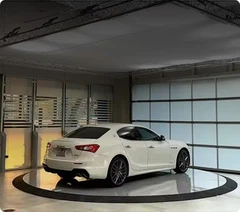
At our company, we offer a wide range of high-quality car elevators, including the DAXLIFTER Customized Car Vehicle Rotary Rotating Stage Platform and the Floor To Floor Car Lift Platform. Our elevators are designed to provide reliable and efficient performance, and we also offer comprehensive after-sales support. If you're in the market for a new car elevator or need assistance with troubleshooting an existing one, we'd love to hear from you. Contact us today to discuss your needs and explore our product offerings.
References
- Car Elevator Installation and Maintenance Manuals
- Industry Standards and Guidelines for Car Elevators


