


1. Structural Integrity
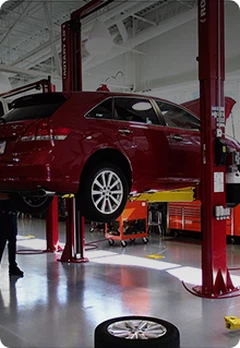
One of the biggest challenges when installing a parking hoist on a sloped surface is ensuring its structural integrity. A parking hoist is designed to lift heavy vehicles, and any instability can lead to serious safety issues. On a slope, the weight distribution of the hoist and the vehicle it's lifting becomes uneven. This uneven weight can put extra stress on certain parts of the hoist, potentially causing it to malfunction or even collapse.
For example, if the hoist is installed on a slope and the vehicle is parked in a way that most of its weight is on one side, the hoist's lifting mechanism may struggle to operate smoothly. This can lead to premature wear and tear on the components, reducing the lifespan of the hoist. To address this, we need to carefully analyze the slope and design a foundation that can distribute the weight evenly. This might involve using additional support structures or adjusting the installation angle of the hoist.
2. Leveling and Alignment
Leveling and alignment are crucial for the proper functioning of a parking hoist. On a flat surface, it's relatively easy to ensure that the hoist is level and aligned correctly. However, on a sloped surface, this becomes a much more challenging task. If the hoist is not level, the vehicle may not be lifted evenly, which can cause it to tilt or even fall off the hoist.
To achieve proper leveling and alignment on a sloped surface, we need to use specialized tools and techniques. For instance, we might use shims or adjustable legs to compensate for the slope. We also need to ensure that the hoist is aligned with the direction of the slope to prevent any lateral movement during operation. This requires precise measurements and careful installation to ensure that the hoist is both safe and functional.
3. Safety Concerns
Safety is always a top priority when it comes to parking hoists. Installing a hoist on a sloped surface introduces additional safety risks. For example, if the slope is too steep, the vehicle may be at risk of rolling off the hoist, especially during the lifting or lowering process. Additionally, the uneven surface can make it more difficult for operators to access the hoist and perform maintenance tasks safely.
To mitigate these safety risks, we need to implement additional safety features. This might include installing anti-roll devices, such as wheel chocks or safety chains, to prevent the vehicle from rolling. We also need to provide clear instructions and training to operators on how to safely use the hoist on a sloped surface.
4. Installation Complexity
Installing a parking hoist on a sloped surface is significantly more complex than on a flat surface. It requires a detailed site survey to understand the slope's characteristics, such as its angle, length, and surface condition. Based on this information, we need to develop a customized installation plan that takes into account the specific requirements of the site.
The installation process may also involve additional steps, such as excavation and foundation work. We need to ensure that the foundation is strong enough to support the hoist and the vehicle it will be lifting. This may require pouring a concrete foundation or using other types of support structures.
5. Compatibility with Existing Infrastructure
Another challenge is ensuring that the parking hoist is compatible with the existing infrastructure on the sloped site. This includes considering factors such as the available space, the location of utilities, and the access points. For example, if there are underground utilities near the installation site, we need to take extra precautions to avoid damaging them during the installation process.
We also need to ensure that the hoist can be easily integrated with the existing parking layout. This may involve adjusting the design of the hoist or modifying the surrounding area to accommodate it.
Our Solutions
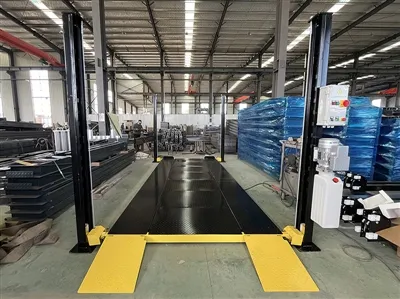
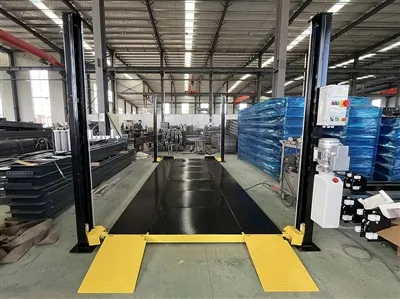
At our company, we have extensive experience in installing parking hoists on sloped surfaces. We offer a range of high-quality parking hoists that are designed to meet the specific needs of our customers. For example, our DAXLIFTER 4 Four Post Indoor Outdoor Commercial Vehicle Parking Lift is a great option for both indoor and outdoor use. It's designed to be stable and reliable, even on sloped surfaces.
We also have the Two Post Tiltable Parking Lift, which can be adjusted to accommodate different slopes. This lift is ideal for sites with varying terrain. And our Two Post Hydraulic Parking Elevator offers smooth and efficient operation, making it a popular choice for commercial parking facilities.
Contact Us for a Quote
If you're considering installing a parking hoist on a sloped surface, we'd love to help. Our team of experts can provide you with a detailed quote and a customized installation plan. We'll work closely with you to ensure that the hoist meets your specific requirements and is installed safely and efficiently.

Don't hesitate to reach out to us if you have any questions or need more information. We're here to make your parking hoist installation as smooth and hassle-free as possible.