





Hey there, car enthusiasts and garage owners! As a car hoist supplier, I've seen it all when it comes to the common problems that crop up with these essential pieces of equipment. In this blog, I'm gonna break down some of the most frequent issues you might encounter with car hoists, and I'll also throw in some info about our top - notch products.
1. Hydraulic System Failures
One of the most common problems with car hoists is hydraulic system failures. The hydraulic system is like the heart of the hoist. It's responsible for lifting and lowering the vehicle. Over time, hydraulic fluid can leak, which not only makes a mess in your garage but also reduces the hoist's lifting capacity.
Leaking hydraulic fluid can be caused by a few things. Worn - out seals are a major culprit. As the hoist is used repeatedly, the seals that keep the fluid in place start to break down. This can happen due to normal wear and tear, or if the hoist is exposed to extreme temperatures. Another cause could be damage to the hydraulic lines. If a line gets kinked or punctured, fluid will start to leak out.
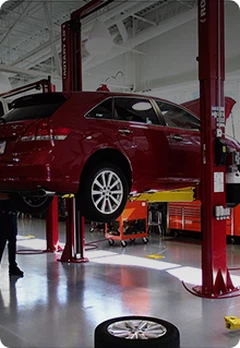
When you notice a hydraulic leak, it's crucial to address it right away. A low fluid level can cause the hoist to operate erratically or even fail to lift the vehicle properly. If you're in the market for a reliable hoist with a robust hydraulic system, check out our DAXLIFTER 3.5T - 4.5T 2 Post Car Garage Car Lift. It's designed with high - quality seals and durable hydraulic lines to minimize the risk of leaks.
2. Electrical Malfunctions
Modern car hoists often rely on electrical components to function. Electrical malfunctions can be a real headache. One common issue is a blown fuse. Fuses are there to protect the electrical system from overloading. If a fuse blows, it could be because of a short circuit in the wiring or an overloaded motor.
Another problem is faulty switches. The up and down switches on the hoist control panel are used frequently, and they can wear out over time. A broken switch might prevent you from operating the hoist at all, or it could cause the hoist to stop working mid - lift.
Sometimes, the electrical wiring itself can be damaged. This can happen if the wiring is exposed to sharp edges or if it gets pinched during installation. When dealing with electrical problems, it's important to have a professional electrician take a look. They can diagnose the issue and make the necessary repairs safely. Our DAXLIFTER Portable Garage Car Service Lift for Home has a well - designed electrical system, but like any equipment, it's still important to keep an eye on it.
3. Uneven Lifting
Uneven lifting is a dangerous problem that can occur with car hoists. It means that one side of the hoist is lifting faster or higher than the other. This can be caused by a few factors. One possibility is that the hoist wasn't installed correctly. If the hoist isn't level on the floor, it can lead to uneven lifting.
Another cause could be a problem with the lifting arms or chains. If a chain is loose or a lifting arm is damaged, it won't lift the vehicle evenly. Uneven lifting is not only a safety hazard but can also cause damage to the vehicle being lifted.
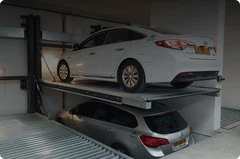
To avoid uneven lifting, make sure the hoist is installed by a professional who follows the manufacturer's instructions carefully. Regularly inspect the lifting arms and chains for any signs of wear or damage. Our DAXLIFTER 3.5T Pit Scissor Type Car Stacker Lift is engineered to provide even and stable lifting, but proper maintenance is still key.
4. Lack of Maintenance
Lack of maintenance is probably the biggest culprit behind many car hoist problems. A hoist is a complex piece of machinery, and it needs regular care to keep it running smoothly.
For example, the hoist's moving parts need to be lubricated regularly. Without proper lubrication, the parts can wear out quickly, leading to increased friction and potential breakdowns. The cables and chains also need to be inspected for signs of wear. If a cable or chain is frayed, it should be replaced immediately.
The hoist's structural components should also be checked for any signs of corrosion or damage. Corrosion can weaken the hoist's frame, making it less safe to use. Make a maintenance schedule and stick to it. This will help you catch any potential problems early and extend the lifespan of your hoist.


5. Overloading
Overloading is a serious issue that can cause a hoist to fail catastrophically. Every hoist has a maximum weight capacity, and it's important to never exceed this limit. Overloading can put excessive stress on the hoist's hydraulic system, electrical components, and structural parts.
If you try to lift a vehicle that's too heavy for the hoist, it can cause the hydraulic system to overheat, the electrical motor to burn out, or even cause the hoist to collapse. Always check the vehicle's weight before attempting to lift it and make sure it's within the hoist's capacity.
How to Avoid These Problems
Now that we've covered the common problems, let's talk about how to avoid them. First, invest in a high - quality hoist from a reputable supplier. Our DAXLIFTER hoists are built to last, with top - notch materials and rigorous quality control.
Second, have the hoist installed by a professional. They have the knowledge and experience to ensure the hoist is installed correctly and safely. Third, follow a regular maintenance schedule. This includes lubricating moving parts, inspecting cables and chains, and checking for any signs of damage or wear.
If you're experiencing any problems with your car hoist or are looking to purchase a new one, don't hesitate to reach out. We're here to help you find the right hoist for your needs and provide support throughout its lifespan. Whether you're a small garage owner or a DIY car enthusiast, we've got the solutions for you. Contact us to start a conversation about your car hoist requirements and let's work together to keep your garage running smoothly.
References
- "Car Hoist Maintenance Guide" - Industry standard publication on car hoist care.
- Manufacturer's manuals for DAXLIFTER car hoists.


