

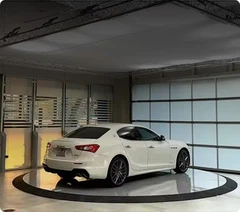

In the realm of industrial and commercial applications, rotating stages play a crucial role in various scenarios, from automotive showrooms to manufacturing facilities. As a dedicated rotating stage supplier, I understand the importance of offering cost - effective solutions without compromising on quality. In this blog, we'll explore some of the most cost - effective rotating stage options available in the market.
1. Manual Rotating Stages
Manual rotating stages are a classic and budget - friendly option. These stages are operated by hand, which means they don't require complex electrical or hydraulic systems. This simplicity not only reduces the initial purchase cost but also minimizes maintenance expenses.
For small - scale businesses or those with limited budgets, manual rotating stages can be an ideal choice. They are easy to install and can be used in a variety of settings, such as small automotive repair shops or local art galleries. The lack of a power source also means that there are no ongoing energy costs associated with their operation.
However, it's important to note that manual rotating stages have limitations. They may not be suitable for applications that require high - speed or precise rotation. The rotation speed is entirely dependent on the operator, and it can be difficult to achieve consistent and accurate positioning.
2. Electric Rotating Stages
Electric rotating stages offer a balance between cost and functionality. They are powered by electricity, which allows for more precise control of rotation speed and positioning. Compared to manual stages, electric stages can provide smoother and more consistent rotation, making them suitable for applications where accuracy is crucial.


The cost of electric rotating stages can vary depending on the size, load capacity, and features. Entry - level electric stages are relatively affordable and can be a great option for medium - sized businesses. They are often equipped with basic control systems that allow users to adjust the rotation speed and direction.
One of the advantages of electric rotating stages is that they can be integrated with other automation systems. This makes them a popular choice in manufacturing environments where they can be used in conjunction with robotic arms or other machinery. However, the initial investment in an electric rotating stage is higher than that of a manual stage, and there are also ongoing energy costs.
3. Hydraulic Rotating Stages
Hydraulic rotating stages are known for their high load - carrying capacity and durability. They use hydraulic systems to generate the force required for rotation, which makes them suitable for heavy - duty applications. In automotive showrooms, for example, hydraulic rotating stages can be used to display large vehicles.
While hydraulic rotating stages offer excellent performance, they tend to be more expensive than manual and electric stages. The cost of the hydraulic system, including pumps, valves, and hoses, adds to the overall price. Additionally, hydraulic systems require regular maintenance to ensure proper operation.
However, for businesses that need to handle heavy loads and require high - precision rotation, the investment in a hydraulic rotating stage can be justified. The long - term durability and reliability of these stages can result in cost savings over time.
4. Customized Rotating Stages
In some cases, off - the - shelf rotating stages may not meet the specific requirements of a business. This is where customized rotating stages come in. As a rotating stage supplier, we offer customized solutions to meet the unique needs of our customers.
Customized rotating stages can be designed to fit specific dimensions, load capacities, and rotation requirements. For example, a customer may need a rotating stage with a non - standard size or a specific rotation angle. By working closely with our customers, we can develop a solution that meets their exact specifications.
While customized rotating stages may be more expensive than standard models, they offer a higher level of functionality and performance. They can also provide a competitive advantage for businesses by allowing them to showcase their products in a more unique and effective way.
5. Considerations for Cost - Effective Rotating Stages
When choosing a cost - effective rotating stage, there are several factors to consider:
- Load Capacity: Determine the maximum weight that the rotating stage needs to support. Choosing a stage with a higher load capacity than necessary can increase the cost.
- Rotation Speed and Precision: Consider the required rotation speed and the level of precision needed for your application. If high - speed or precise rotation is not essential, a more basic stage may be sufficient.
- Maintenance Requirements: Different types of rotating stages have different maintenance requirements. Manual stages generally require less maintenance, while hydraulic stages may need more frequent servicing.
- Long - Term Costs: In addition to the initial purchase price, consider the long - term costs associated with the stage, such as energy consumption and maintenance.
Related Products
If you are in the automotive industry, you may also be interested in our Floor To Floor Car Lift Platform. This platform provides a convenient way to move cars between different floors, which can be useful in multi - level parking facilities or automotive showrooms.
Another product that may be of interest is our DAXLIFTER Customized Car Vehicle Rotary Rotating Stage Platform. This platform is designed specifically for automotive applications and can be customized to meet your specific needs.
Conclusion
Finding a cost - effective rotating stage option requires careful consideration of your specific requirements and budget. Whether you choose a manual, electric, hydraulic, or customized stage, there are solutions available to suit your needs. As a rotating stage supplier, we are committed to providing high - quality products at competitive prices.
If you are interested in learning more about our rotating stage options or have specific requirements for your business, please don't hesitate to contact us for a detailed discussion. Our team of experts is ready to assist you in finding the best solution for your needs.
References
- Industry reports on rotating stage technology
- Technical specifications of various rotating stage models