









In the dynamic landscape of modern architecture, entertainment, and transportation, rotating stages stand out as versatile and innovative solutions. As a leading supplier of rotating stages, I am constantly amazed by the evolution and potential these platforms hold. In this blog, I will explore the future prospects for rotating stage development, examining the technological advancements, emerging trends, and diverse applications that are shaping the industry.
Technological Advancements
The future of rotating stage development is closely intertwined with technological innovation. One of the most significant trends is the integration of smart technologies, such as sensors, automation, and artificial intelligence. These technologies enable rotating stages to operate with greater precision, efficiency, and safety.
For example, sensors can be used to detect the position, speed, and weight of the stage, allowing for real-time adjustments and optimization. Automation systems can be programmed to perform complex movements and sequences, reducing the need for manual operation and minimizing the risk of human error. Artificial intelligence algorithms can analyze data from sensors and other sources to predict maintenance needs, optimize performance, and enhance the overall user experience.
Another area of technological advancement is the development of lightweight and durable materials. Traditional rotating stages were often made of heavy steel or concrete, which limited their mobility and flexibility. However, new materials such as carbon fiber, aluminum, and composite materials are being used to create lighter, stronger, and more efficient rotating stages. These materials not only reduce the weight of the stage but also improve its structural integrity and resistance to wear and tear.
In addition to smart technologies and lightweight materials, the future of rotating stage development will also be influenced by the growing demand for sustainable and energy-efficient solutions. As the world becomes more aware of the environmental impact of human activities, there is a increasing need for products and services that are designed to minimize energy consumption and reduce carbon emissions. Rotating stages can play a role in this effort by incorporating energy-efficient motors, lighting systems, and control mechanisms. For example, some rotating stages are now equipped with regenerative braking systems that capture and reuse energy generated during deceleration, reducing the overall energy consumption of the stage.
Emerging Trends
In addition to technological advancements, there are several emerging trends that are likely to shape the future of rotating stage development. One of the most significant trends is the increasing demand for customized and modular solutions. As the needs and requirements of different industries and applications become more diverse, there is a growing need for rotating stages that can be tailored to specific needs and specifications. Modular rotating stages, in particular, offer a high degree of flexibility and scalability, allowing users to configure the stage according to their specific requirements and easily expand or modify it as needed.
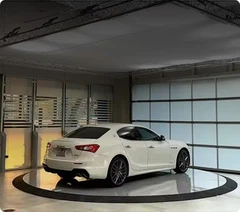
Another emerging trend is the use of rotating stages in new and innovative applications. While rotating stages have traditionally been used in the entertainment industry, such as in theaters, concert halls, and theme parks, they are now being used in a wide range of other applications, including automotive showrooms, museums, art galleries, and corporate events. For example, DAXLIFTER Customized Car Vehicle Rotary Rotating Stage Platform is designed specifically for the automotive industry, allowing car dealerships and manufacturers to showcase their vehicles in a dynamic and engaging way.
The rise of virtual and augmented reality is also likely to have a significant impact on the future of rotating stage development. Virtual and augmented reality technologies offer new opportunities for creating immersive and interactive experiences, and rotating stages can play a key role in enhancing these experiences. For example, rotating stages can be used to create virtual environments that simulate real-world scenarios, allowing users to interact with virtual objects and characters in a more realistic and engaging way.
Diverse Applications
The future of rotating stage development is not limited to the entertainment and automotive industries. Rotating stages have a wide range of applications in other industries as well, including manufacturing, logistics, and healthcare.
In the manufacturing industry, rotating stages can be used to improve the efficiency and productivity of assembly lines. For example, rotating stages can be used to rotate workpieces, allowing workers to access different sides of the workpiece without having to manually reposition it. This can reduce the time and effort required to perform assembly tasks, as well as improve the quality and accuracy of the finished product.
In the logistics industry, rotating stages can be used to improve the efficiency and safety of material handling operations. For example, rotating stages can be used to rotate pallets, containers, and other large objects, allowing them to be loaded and unloaded more easily and quickly. This can reduce the time and effort required to move materials, as well as minimize the risk of accidents and injuries.
In the healthcare industry, rotating stages can be used to improve the comfort and convenience of patients. For example, rotating stages can be used to rotate hospital beds, allowing patients to change their position more easily and comfortably. This can help to prevent pressure ulcers and other complications associated with prolonged bed rest, as well as improve the overall quality of care.


