




As a supplier of car rotary platforms, I understand that many customers are curious about the installation requirements for these platforms. In this blog post, I'll delve into the technical details, considerations, and best practices to ensure a successful installation of a car rotary platform.
1. Site Assessment
Before installing a car rotary platform, a thorough site assessment is essential. This involves evaluating the physical space, structural integrity, and environmental factors of the installation site.
Space Requirements
The first step is to measure the available space. The car rotary platform needs sufficient room to rotate freely without hitting any obstacles. A general rule of thumb is to have at least 1 - 1.5 meters of clearance around the platform's perimeter. This ensures that cars can enter and exit the platform safely and that the rotation mechanism has enough space to operate.
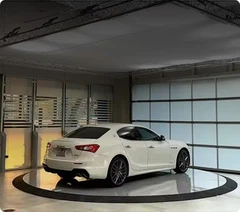
For example, if you have a standard - sized car with a length of about 4 - 5 meters and a width of 1.8 - 2 meters, the platform should be large enough to accommodate the car comfortably. A common size for a car rotary platform is around 5 - 6 meters in diameter, but this can vary depending on the specific application and the size of the vehicles it will serve.
Structural Integrity
The floor where the car rotary platform will be installed must be able to support the weight of the platform itself, as well as the cars that will be placed on it. A structural engineer should assess the floor to determine its load - bearing capacity. The platform can weigh anywhere from a few hundred kilograms to several tons, depending on its size and construction.
Concrete floors are often the best choice for installation, as they can provide a stable and strong foundation. However, if the floor is not in good condition or does not meet the required load - bearing capacity, reinforcement may be necessary. This could involve adding additional support beams or strengthening the existing concrete.
Environmental Factors
The installation site should be protected from extreme weather conditions, such as heavy rain, snow, or direct sunlight. Moisture can damage the electrical components and the mechanical parts of the platform, while excessive heat or cold can affect the performance of the hydraulic or electric systems.
If the platform is to be installed outdoors, a shelter or enclosure should be provided. Indoors, proper ventilation is important to prevent the build - up of fumes from cars and to maintain a stable temperature and humidity level.
2. Electrical Requirements
Car rotary platforms typically require a reliable electrical supply to operate.
Power Supply
The power requirements of a car rotary platform depend on its size, the type of drive system (hydraulic or electric), and the additional features it may have. Most platforms require a single - phase or three - phase electrical supply. A single - phase supply is suitable for smaller platforms, while larger platforms may need a three - phase supply for more power.
The voltage should be within the specified range of the platform's electrical system. Common voltages are 220V for single - phase and 380V for three - phase supplies. It is important to ensure that the electrical supply is stable and free from fluctuations, as this can damage the platform's electrical components.
Wiring and Electrical Connections
Proper wiring is crucial for the safe and efficient operation of the car rotary platform. The wiring should be installed by a qualified electrician according to local electrical codes. All electrical connections should be secure and insulated to prevent short circuits and electrical hazards.
The platform may also require additional electrical components, such as control panels, sensors, and limit switches. These components should be properly connected and calibrated to ensure the correct operation of the platform.
3. Hydraulic System Requirements (if applicable)
Some car rotary platforms use hydraulic systems to power the rotation mechanism.
Hydraulic Fluid
The hydraulic system requires a specific type of hydraulic fluid. The fluid should have the appropriate viscosity and lubricating properties to ensure smooth operation of the hydraulic cylinders and pumps. It is important to use the recommended hydraulic fluid specified by the platform manufacturer.
The hydraulic fluid level should be regularly checked and maintained. Low fluid levels can cause the hydraulic system to malfunction, while contaminated fluid can damage the hydraulic components.
Hydraulic Pump and Cylinders
The hydraulic pump is responsible for generating the pressure needed to operate the hydraulic cylinders. The pump should be properly sized for the platform's requirements and should be installed and maintained according to the manufacturer's instructions.
The hydraulic cylinders should be inspected regularly for leaks and proper operation. Any signs of leakage or damage should be addressed immediately to prevent further problems.
4. Installation Process
The installation of a car rotary platform should be carried out by a professional installation team.
Assembly
The platform is usually delivered in parts and needs to be assembled on - site. The installation team should follow the manufacturer's assembly instructions carefully. This involves installing the base, the rotation mechanism, the platform surface, and any additional components.
During the assembly process, it is important to ensure that all parts are properly aligned and tightened. Any misalignment can cause the platform to operate unevenly or can lead to premature wear of the components.
Calibration
After the platform is assembled, it needs to be calibrated. This includes setting the rotation speed, the rotation angle, and the limit switches. The calibration process ensures that the platform operates safely and accurately.
The installation team should also test the platform to ensure that it can rotate smoothly and that all safety features are working properly.
5. Safety Considerations
Safety is of utmost importance when installing and operating a car rotary platform.
Safety Features
The platform should be equipped with safety features such as emergency stop buttons, limit switches, and anti - slip surfaces. The emergency stop button should be easily accessible and should immediately stop the rotation of the platform in case of an emergency.
Limit switches are used to prevent the platform from rotating beyond its intended range. They should be properly installed and calibrated to ensure that the platform does not over - rotate and cause damage.


The anti - slip surface on the platform helps to prevent cars from slipping during rotation, reducing the risk of accidents.
Training
Operators of the car rotary platform should receive proper training on how to use the platform safely. This includes understanding the controls, the safety features, and the maintenance requirements of the platform.
Regular safety inspections should also be carried out to ensure that the platform is in good working condition and that all safety features are functioning properly.
6. Our Products and Contact for Purchase
At our company, we offer high - quality car rotary platforms that meet all the installation requirements mentioned above. Our DAXLIFTER Customized Car Vehicle Rotary Rotating Stage Platform is designed to provide a smooth and efficient rotation for cars. It is customizable to fit different sizes of vehicles and installation sites.
In addition, we also have the Floor To Floor Car Lift Platform, which can be used in conjunction with the car rotary platform to provide a comprehensive car handling solution.
If you are interested in purchasing a car rotary platform or have any questions about the installation requirements, please feel free to contact us. We are more than happy to assist you in choosing the right product for your needs and ensuring a successful installation.
References
- Manufacturer's installation manuals for car rotary platforms
- Local building and electrical codes
- Engineering standards for load - bearing structures and hydraulic systems