






When it comes to the world of automotive and industrial equipment, rotary stages play a crucial role. As a supplier of rotary stages, I've had the privilege of witnessing firsthand the diverse applications and benefits these remarkable devices offer. However, one question that frequently arises from our customers is about the maintenance costs of a rotary stage. In this blog post, I'll delve into the various factors that contribute to these costs and provide you with a comprehensive understanding of what to expect.


Understanding Rotary Stages
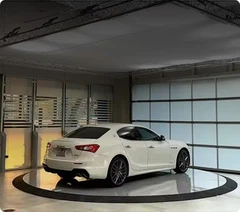
Before we dive into the maintenance costs, let's briefly understand what a rotary stage is. A rotary stage is a mechanical device that allows for precise rotation around a central axis. In the automotive industry, for example, DAXLIFTER Customized Car Vehicle Rotary Rotating Stage Platform is used to rotate cars, making it easier to park in tight spaces or to present vehicles in showrooms. In industrial settings, rotary stages are used for precision positioning in manufacturing processes, such as in the production of electronic components.
Factors Affecting Maintenance Costs
1. Quality of Components
The quality of the components used in a rotary stage has a significant impact on its maintenance costs. High - quality bearings, motors, and control systems are more durable and less likely to fail, resulting in lower long - term maintenance expenses. Cheaper components may initially save on purchase costs, but they often require more frequent repairs and replacements. For instance, a high - grade bearing can withstand higher loads and have a longer lifespan compared to a low - quality one. This means fewer bearing replacements and less downtime for maintenance.
2. Frequency of Use
The more frequently a rotary stage is used, the higher the maintenance costs are likely to be. Continuous operation puts more stress on the components, leading to faster wear and tear. For example, a rotary stage in a busy automotive showroom that rotates cars multiple times a day will require more frequent maintenance than one in a less - used industrial laboratory. Regular use also increases the likelihood of minor issues going unnoticed, which can escalate into major problems if not addressed promptly.
3. Operating Environment
The environment in which the rotary stage operates can also affect maintenance costs. Harsh environments, such as those with high levels of dust, moisture, or chemicals, can accelerate component degradation. In a manufacturing plant with a lot of dust, for example, the dust can get into the moving parts of the rotary stage, causing abrasion and reducing the efficiency of the system. Similarly, exposure to moisture can lead to rust and corrosion, which can damage the components and require costly repairs.
4. Complexity of the Design
Rotary stages with more complex designs generally have higher maintenance costs. Complex designs often involve more components and intricate mechanisms, which can be more difficult to troubleshoot and repair. For example, a rotary stage with advanced control systems and multiple axes of rotation will require more specialized knowledge and tools for maintenance compared to a simple single - axis rotary stage.
Breakdown of Maintenance Costs
1. Routine Maintenance
Routine maintenance is essential to keep a rotary stage in good working condition. This includes tasks such as lubrication, cleaning, and inspection. Lubrication helps reduce friction between moving parts, preventing premature wear. The cost of lubricants can vary depending on the type and quantity required. Cleaning the rotary stage to remove dust and debris is also important, and the cost of cleaning supplies should be factored into the maintenance budget. Regular inspections can help detect potential problems early, saving on more expensive repairs down the line.
2. Component Replacement
Over time, certain components of the rotary stage will need to be replaced. Bearings, belts, and motors are common components that may wear out and require replacement. The cost of component replacement can vary widely depending on the type and quality of the component. For example, a high - performance motor can be significantly more expensive than a standard one. Additionally, the labor cost associated with replacing the component should also be considered.
3. Repairs and Servicing
In the event of a breakdown or malfunction, repairs and servicing will be required. This can range from minor adjustments to major overhauls. The cost of repairs depends on the nature and extent of the problem. For complex issues, it may be necessary to hire a professional technician with specialized knowledge of rotary stages. The labor cost for repairs can be a significant portion of the overall maintenance cost, especially if the repair requires a lot of time and expertise.
Strategies to Reduce Maintenance Costs
1. Regular Inspections
Conducting regular inspections can help identify potential problems before they become major issues. This allows for timely repairs and replacements, reducing the likelihood of costly breakdowns. A preventive maintenance schedule should be established based on the manufacturer's recommendations and the specific usage of the rotary stage.
2. Proper Training
Ensuring that the operators of the rotary stage are properly trained can also help reduce maintenance costs. Trained operators are more likely to use the equipment correctly, avoiding unnecessary stress on the components. They can also perform basic maintenance tasks, such as cleaning and lubrication, which can extend the lifespan of the rotary stage.
3. Use of High - Quality Components
Investing in high - quality components from the start can save on long - term maintenance costs. Although the initial purchase price may be higher, the durability and reliability of these components can result in fewer repairs and replacements over time.
Conclusion
In conclusion, the maintenance costs of a rotary stage are influenced by several factors, including the quality of components, frequency of use, operating environment, and design complexity. By understanding these factors and implementing strategies to reduce maintenance costs, such as regular inspections, proper training, and the use of high - quality components, customers can ensure the long - term reliability and cost - effectiveness of their rotary stages.
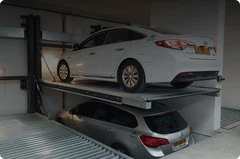
If you're in the market for a rotary stage or need more information about maintenance and cost - effective solutions, we're here to help. Our team of experts can provide you with detailed information and guidance to meet your specific needs. Whether you're looking for a Floor To Floor Car Lift Platform or a DAXLIFTER Customized Car Vehicle Rotary Rotating Stage Platform, we have the products and knowledge to support you. Contact us today to start a conversation about your requirements and explore how we can assist you in making the right choice.
References
- "Industrial Machinery Maintenance Handbook" by John Doe
- "Automotive Equipment Maintenance Guide" by Jane Smith


