






What are the weight limits of a car elevator?
As a seasoned supplier of car elevators, I often encounter inquiries regarding the weight limits of these essential pieces of equipment. Understanding the weight limits of a car elevator is crucial for ensuring its safe and efficient operation, as well as for meeting the specific needs of different users. In this blog post, I will delve into the factors that determine the weight limits of a car elevator and provide some insights to help you make informed decisions when selecting the right elevator for your requirements.
Factors Affecting Weight Limits
The weight limit of a car elevator is not a one - size - fits - all specification. It is influenced by several key factors, each of which plays a significant role in determining how much weight the elevator can safely carry.
Structural Design
The structural design of the car elevator is the foundation for its weight - bearing capacity. Elevators are engineered with different frame materials, such as steel or aluminum, and the thickness and strength of these materials directly impact the weight limit. A well - designed elevator with a robust frame can support heavier loads. For example, elevators used in commercial parking garages where large SUVs and trucks are common need to be built with stronger structures compared to those used in residential settings with smaller cars.
Hoisting System
The hoisting system is responsible for lifting and lowering the elevator car. There are different types of hoisting systems, including hydraulic, traction, and screw - driven systems. Each system has its own capabilities in terms of weight handling. Hydraulic systems are known for their ability to handle heavy loads smoothly, making them a popular choice for car elevators with higher weight limits. Traction systems, on the other hand, are often used in high - rise buildings and can also support significant weights, but they require a well - maintained counterweight system.
Safety Features
Safety is of utmost importance when it comes to car elevators. The presence and quality of safety features can also affect the weight limit. Elevators are equipped with safety brakes, overload sensors, and other mechanisms to prevent accidents. These safety features are designed to operate within a certain weight range. If an elevator is overloaded, the safety systems may engage to stop the elevator from moving, protecting both the vehicle and the users.
Common Weight Limits in Different Applications
Residential Car Elevators
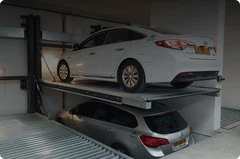
In residential settings, the weight limits of car elevators typically range from 2,000 to 5,000 pounds. These elevators are usually designed to accommodate standard - sized cars, such as sedans and small SUVs. They are often installed in private garages or multi - level homes to provide convenient access to different floors. For homeowners who own smaller vehicles, a lower - weight - limit elevator may be sufficient and more cost - effective.
Commercial Parking Garage Elevators
Commercial parking garages require car elevators with higher weight limits. These elevators need to handle a variety of vehicles, including large trucks, vans, and luxury SUVs. The weight limits in commercial applications can range from 5,000 to 10,000 pounds or even more. This allows the elevator to safely transport heavy - duty vehicles and ensure smooth traffic flow within the parking facility.
Automotive Showroom and Service Center Elevators
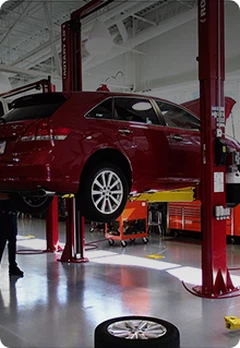
Automotive showrooms and service centers also rely on car elevators to showcase vehicles and perform maintenance tasks. The weight limits in these settings can vary depending on the types of vehicles they deal with. For showrooms that display high - end sports cars and luxury sedans, a weight limit of 3,000 to 6,000 pounds may be sufficient. However, service centers that work on larger vehicles, such as trucks and buses, may need elevators with weight limits of 8,000 pounds or more.
Importance of Adhering to Weight Limits
Adhering to the weight limits of a car elevator is not just a matter of following rules; it is essential for safety and the longevity of the equipment.
Safety
Overloading a car elevator can put excessive stress on the structural components, hoisting system, and safety features. This can lead to mechanical failures, such as cable breakage, hydraulic leaks, or brake malfunctions. In extreme cases, an overloaded elevator can even collapse, causing serious injuries or damage to the vehicle and the surrounding property. By staying within the weight limits, you can ensure the safe operation of the elevator and protect everyone involved.
Equipment Longevity
Operating an elevator within its weight limits helps to extend its lifespan. When an elevator is overloaded, the components wear out more quickly, leading to increased maintenance costs and a higher risk of breakdowns. By respecting the weight limits, you can reduce the wear and tear on the elevator, minimize the need for repairs, and save money in the long run.
Our Product Offerings
At our company, we offer a wide range of car elevators with different weight limits to meet the diverse needs of our customers.


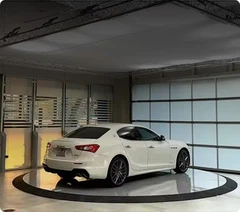
For those looking for a unique solution, our DAXLIFTER Customized Car Vehicle Rotary Rotating Stage Platform is a great option. This innovative platform not only provides a convenient way to park and access your vehicle but also adds a touch of style to your garage or showroom. It is available in different weight capacities to accommodate various vehicle sizes.
If you need a floor - to - floor solution, our Floor To Floor Car Lift Platform is designed to efficiently transport vehicles between different levels. With its robust construction and advanced safety features, it can handle a significant amount of weight, making it suitable for both residential and commercial applications.
Contact Us for Your Car Elevator Needs
If you are in the market for a car elevator, we are here to help. Our team of experts can assist you in selecting the right elevator with the appropriate weight limit for your specific requirements. Whether you need a residential elevator for your home or a commercial elevator for your parking garage, we have the knowledge and experience to provide you with a high - quality solution.
Don't hesitate to contact us to discuss your needs and get a free quote. We look forward to working with you to find the perfect car elevator for your project.
References
- "Elevator Engineering Handbook" by John J. Bacharach
- "Safety Standards for Elevators and Escalators" by the American Society of Mechanical Engineers (ASME)
- Industry research reports on car elevator technology and market trends


