






When it comes to maintaining and servicing vehicles, having the right equipment is crucial. One of the most essential pieces of equipment in a car service shop or garage is a car service lift. Car service lifts come in various types, but two of the most common are portable and stationary lifts. As a car service lift supplier, I've had the opportunity to work with both types and understand their unique features and benefits. In this blog, I'll explore the differences between portable and stationary car service lifts to help you make an informed decision for your business.
Portability and Mobility
The most obvious difference between portable and stationary car service lifts lies in their portability. Portable car service lifts are designed to be easily moved from one location to another. They are typically lightweight and come with wheels or casters, allowing you to transport them within your garage or even take them to different job sites. This mobility makes portable lifts ideal for mobile mechanics or small garages with limited space.
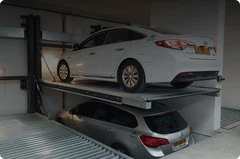
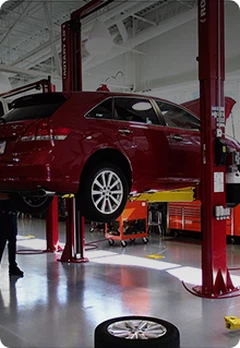
On the other hand, stationary car service lifts are permanently installed in a specific location. They are usually bolted to the floor, providing a stable and secure platform for lifting vehicles. While this lack of mobility may seem like a drawback, it also offers several advantages. Stationary lifts are generally more robust and can handle heavier loads compared to portable lifts. They are also less likely to tip over or shift during operation, ensuring the safety of both the operator and the vehicle.
Installation and Setup
Another significant difference between portable and stationary car service lifts is the installation process. Portable lifts are relatively easy to set up and require minimal installation. In most cases, you can simply unpack the lift, unfold it, and start using it right away. Some portable lifts may require basic assembly, such as attaching the wheels or connecting the hydraulic hoses, but this can usually be done without the need for special tools or expertise.
Stationary lifts, on the other hand, require a more involved installation process. They typically need to be installed by a professional technician to ensure proper alignment and stability. The installation may involve drilling holes in the floor, pouring concrete footings, and connecting the lift to a power source. This process can be time-consuming and expensive, but it is necessary to ensure the safe and reliable operation of the lift.
Capacity and Load Handling
Capacity is an important consideration when choosing a car service lift. Portable lifts are generally designed for lighter vehicles, such as cars, SUVs, and small trucks. They typically have a lifting capacity ranging from 2 to 4 tons, which is sufficient for most everyday maintenance and repair tasks. However, if you need to lift heavier vehicles, such as commercial trucks or buses, a portable lift may not be suitable.
Stationary lifts, on the other hand, are available in a wider range of capacities. They can handle vehicles of all sizes, from compact cars to heavy-duty trucks. Some stationary lifts have a lifting capacity of up to 100 tons or more, making them ideal for large-scale automotive repair shops and industrial facilities. When choosing a stationary lift, it's important to consider the maximum weight of the vehicles you'll be working on to ensure that the lift can handle the load safely.
Space Requirements
Space is another factor to consider when choosing between a portable and a stationary car service lift. Portable lifts are designed to be compact and take up minimal space when not in use. They can be easily stored in a corner of the garage or even in a storage shed. This makes them a great option for small garages or workshops with limited space.
Stationary lifts, on the other hand, require a dedicated space for installation. They need to be installed in a location with enough clearance around the lift to allow for easy access to the vehicle and to ensure the safety of the operator. The installation area also needs to be level and strong enough to support the weight of the lift and the vehicle. Before installing a stationary lift, it's important to measure the available space and ensure that it meets the manufacturer's requirements.
Cost
Cost is always a consideration when purchasing any piece of equipment, and car service lifts are no exception. Portable lifts are generally more affordable than stationary lifts. They have a lower upfront cost and require less installation and maintenance. This makes them a great option for small businesses or individuals on a budget.
Stationary lifts, on the other hand, are more expensive. They have a higher upfront cost due to the cost of the lift itself, the installation, and the necessary infrastructure. However, they also offer several advantages, such as higher capacity, greater stability, and longer lifespan. In the long run, a stationary lift may be a more cost-effective investment for larger automotive repair shops or industrial facilities.
Applications
The choice between a portable and a stationary car service lift also depends on the specific applications and requirements of your business. Portable lifts are ideal for mobile mechanics or small garages that need to perform basic maintenance and repair tasks on a variety of vehicles. They are also a great option for DIY enthusiasts who want to work on their own cars at home.
Stationary lifts, on the other hand, are better suited for large-scale automotive repair shops, dealerships, and industrial facilities. They are designed to handle heavy-duty vehicles and can be used for a wide range of applications, such as engine repairs, transmission replacements, and bodywork. Stationary lifts also offer greater stability and safety, making them the preferred choice for professional mechanics.
Conclusion
In conclusion, both portable and stationary car service lifts have their own unique features and benefits. The choice between the two depends on several factors, such as portability, installation requirements, capacity, space availability, cost, and specific applications. As a car service lift supplier, I can help you evaluate your needs and choose the right lift for your business.
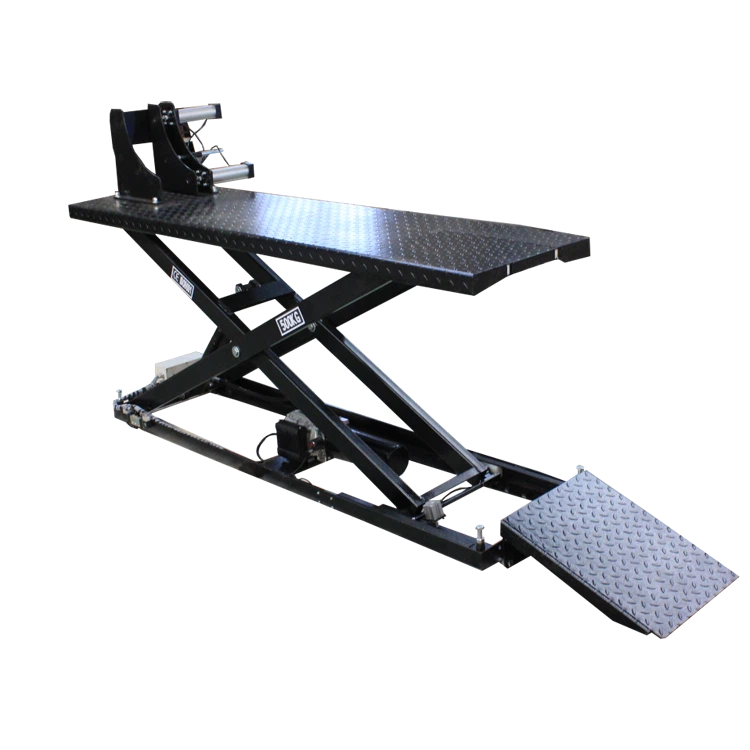
If you're looking for a portable lift, we offer a wide range of options, including Motorcycle Lift for servicing motorcycles and small vehicles. Our portable lifts are lightweight, easy to set up, and offer a convenient solution for mobile mechanics and DIY enthusiasts.
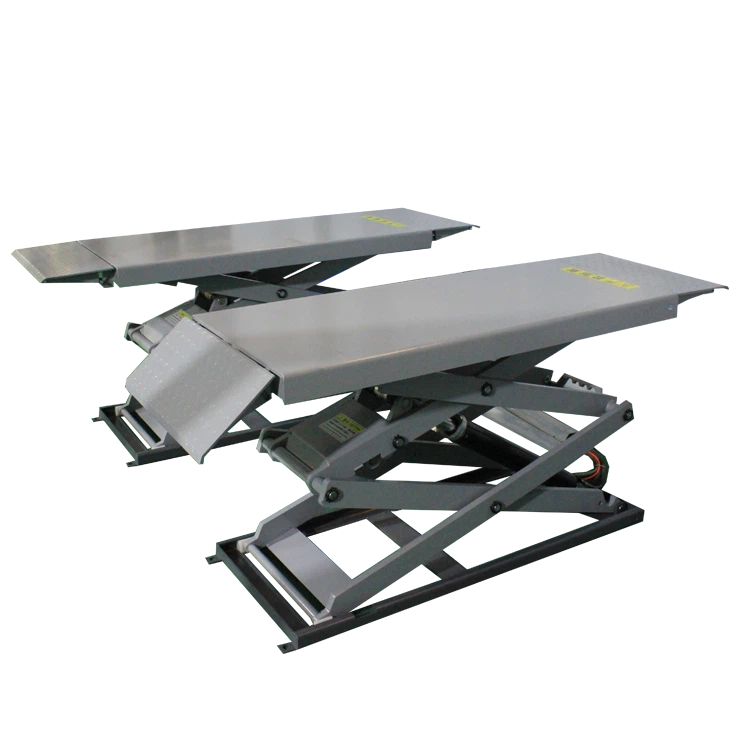
For those in need of a stationary lift, we have a variety of high-quality options to choose from. Our DAXLIFTER 3.5T 4 Post Car Hoist Lift with Second Lifting Function is a popular choice for automotive repair shops and dealerships. It offers a high lifting capacity, excellent stability, and a second lifting function for added versatility. We also offer the DAXLIFTER 3.5T Low Profile Scissor Car Garage Lift, which is perfect for garages with limited space.
If you have any questions or need further information about our car service lifts, please don't hesitate to contact us. We're here to help you find the right lift for your needs and provide you with the best possible service and support.
References
- "Automotive Lift Institute (ALI) Standards and Guidelines." Automotive Lift Institute.
- "Car Service Lift Buying Guide." Popular Mechanics.
- "Portable vs. Stationary Car Lifts: Which is Right for You?" Auto Body Toolmart.


