






As a supplier of pit parking solutions, I've witnessed firsthand the importance of fire safety in these systems. Pit parking solutions, which are designed to maximize parking space in limited areas, come with their own set of fire safety challenges. In this blog, I'll delve into the fire safety design aspects of pit parking solutions, highlighting the key elements that ensure the safety of both the vehicles and the people using these facilities.
Understanding the Fire Risks in Pit Parking Solutions
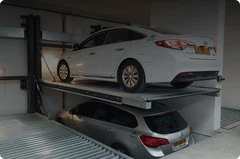
Pit parking solutions involve vehicles being parked in underground or semi - underground spaces. These areas are prone to several fire - related risks. Firstly, vehicles themselves can be a source of fire. Leaking fuel, electrical malfunctions, or overheating engines can ignite a fire. Secondly, the confined nature of pit parking areas can cause fires to spread quickly, as there may be limited ventilation and exits. The presence of flammable materials such as oil, grease, and rubber in the parking area also adds to the fire risk.
Fire - Resistant Materials
One of the fundamental aspects of fire safety design in pit parking solutions is the use of fire - resistant materials. The structure of the pit, including the walls and floors, should be constructed using materials that can withstand high temperatures for an extended period. For example, reinforced concrete is a popular choice as it has excellent fire - resistant properties. It can prevent the spread of fire from one area of the pit to another and provide a stable structure even in the event of a fire.
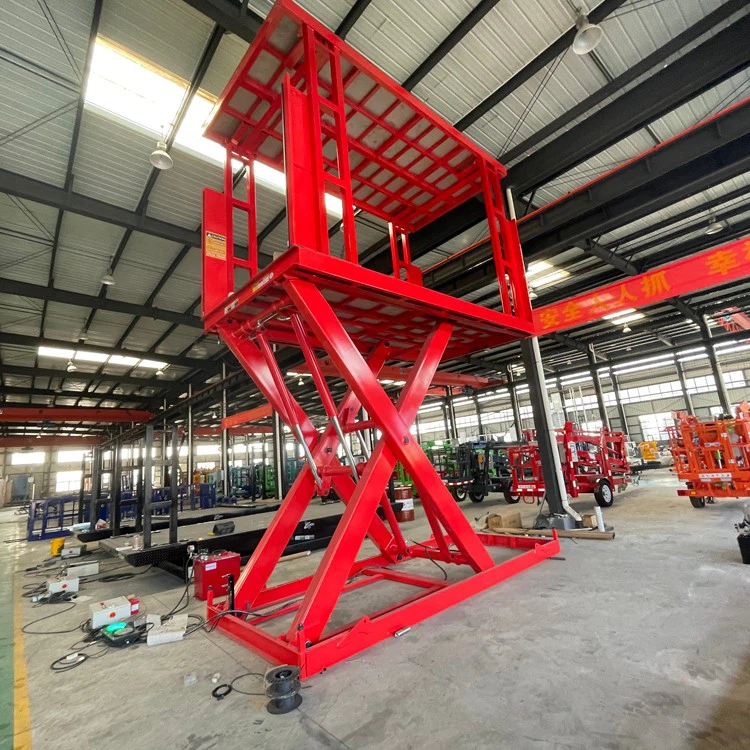
The parking equipment, such as the lifts, also needs to be made from fire - resistant materials. Our DAXLIFTER Customized Underground Garage Double Scissor Parking Lift is designed with fire - resistant components. The steel used in its construction is treated to enhance its fire - resistance, ensuring that it can continue to function safely during a fire.
Fire Detection Systems
Early detection of fire is crucial in pit parking solutions. A comprehensive fire detection system should be installed throughout the parking area. Smoke detectors are a must - have. They can detect the presence of smoke at an early stage, allowing for a quick response. Heat detectors can also be used, especially in areas where smoke may not be easily detected, such as near the floor or in corners.
These detectors should be connected to a central monitoring system. Once a fire is detected, the system can trigger an alarm, notifying the building management and the fire department. In addition, the system can be integrated with other safety features, such as the ventilation system, to start the extraction of smoke and fumes.
Ventilation Systems
Proper ventilation is essential in pit parking solutions to prevent the buildup of smoke and toxic gases during a fire. A well - designed ventilation system can help to remove the smoke and heat from the parking area, reducing the risk of asphyxiation and providing a clear path for evacuation.
The ventilation system should be able to operate independently of the building's main ventilation system. It should have the capacity to extract a large volume of air quickly. In addition, the ventilation ducts should be made of fire - resistant materials to prevent the spread of fire through the ductwork.
Fire Suppression Systems
Fire suppression systems are another critical component of fire safety design in pit parking solutions. There are several types of fire suppression systems that can be used, depending on the specific requirements of the parking area.
Sprinkler systems are a common choice. They can quickly douse a fire by releasing water. However, in some cases, water - based sprinkler systems may not be suitable, especially if there are sensitive electrical components in the parking area. In such cases, dry chemical or gaseous fire suppression systems can be used.
Our DAXLIFTER 2 Post Pit Parking Lift is designed to be compatible with different fire suppression systems. This ensures that in the event of a fire, the lift can be protected, and the fire can be controlled effectively.
Evacuation Routes
Evacuation routes are an important part of fire safety design. There should be clear and well - marked evacuation routes in the pit parking area. These routes should be wide enough to allow for the quick and safe evacuation of people.
The exits should be located in strategic positions, away from potential fire sources. They should be equipped with emergency lighting and signs to guide people in the event of a power outage. In addition, the evacuation routes should be regularly maintained and tested to ensure their functionality.
Regular Inspections and Maintenance
Fire safety in pit parking solutions is not a one - time effort. Regular inspections and maintenance are required to ensure that all the fire safety systems are in working order. The fire detection systems should be tested regularly to ensure that they can detect fires accurately. The ventilation and fire suppression systems should also be inspected and maintained to ensure their proper functioning.
In addition, the parking equipment, such as the lifts, should be inspected for any signs of wear and tear that could potentially lead to a fire. Regular maintenance can help to identify and address any issues before they become serious problems.
Conclusion
In conclusion, fire safety design in pit parking solutions is a complex and multi - faceted process. It involves the use of fire - resistant materials, the installation of fire detection, ventilation, and suppression systems, the design of clear evacuation routes, and regular inspections and maintenance.
As a supplier of pit parking solutions, we are committed to providing our customers with the highest level of fire safety. Our products, such as the DAXLIFTER Customized Underground Garage Double Scissor Parking Lift and DAXLIFTER 2 Post Pit Parking Lift, are designed with fire safety in mind.
If you are in the market for a pit parking solution and are concerned about fire safety, we invite you to contact us for a consultation. Our team of experts can help you design a pit parking solution that meets your specific fire safety requirements. We look forward to discussing your needs and providing you with the best possible pit parking solution.

References
- National Fire Protection Association (NFPA) standards related to parking structures.
- Building codes and regulations regarding fire safety in underground parking areas.


