








Hey there, fellow car enthusiasts and garage owners! As a supplier of top - notch car service lifts, I've spent a ton of time digging into how these amazing machines work. One of the most crucial aspects is the load distribution of a car service lift. So, let's jump right in and break it down.


First off, what exactly is load distribution? Well, it's all about how the weight of a vehicle is spread across the lift. When you're lifting a car, you don't want all that weight concentrated in one spot. That could lead to all sorts of problems, like uneven wear on the lift components, or even worse, a dangerous situation where the lift fails.
Let's start with the different types of car service lifts and how load distribution applies to them. Take the Pneumatic Scissor Car Jack. This is a nifty little tool that's often used for quick repairs and minor maintenance. It's relatively small and portable, and its load - distribution design is focused on providing a stable base.
The scissor mechanism of the jack is engineered to distribute the weight evenly along its arms. When you place the jack under the car's designated lifting point, the force from the car's weight is transferred through the scissor arms. These arms are designed to flex and spread the load outwards, so that the weight isn't just sitting on one small area of the floor. This way, the jack can lift the car safely without sinking into the ground or tipping over.
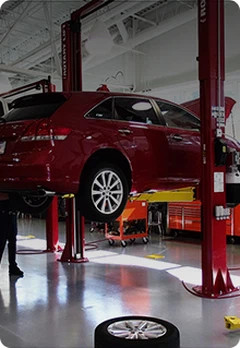
Now, let's talk about the DAXLIFTER 3.5T - 4.5T 2 Post Car Garage Car Lift. These are the workhorses of many garages. A 2 - post lift has two columns that support the car. The load distribution here is a bit more complex.
The key to proper load distribution on a 2 - post lift is to make sure the car is centered correctly between the two posts. Each post has a set of arms that grip the car. The arms are adjustable, and you need to position them at the right lifting points on the car's frame. When the car is lifted, the weight is split between the two posts. If the car isn't centered or the arms aren't positioned properly, one post could end up taking more of the load than the other. This can cause premature wear on the components of the overloaded post and also create an unstable lifting situation.
Another type of lift is the DAXLIFTER 3.5T Pit Scissor Type Car Stacker Lift. This lift is installed in a pit, and it uses a scissor mechanism to lift the car. The load distribution for a pit scissor lift is designed to handle the weight of the car in a confined space.
The scissor structure of the lift is built to spread the weight evenly across its entire base. Since it's in a pit, the load needs to be distributed to the ground in a way that doesn't cause the floor of the pit to crack. The design of the scissor links and the hydraulic cylinders works together to ensure that the weight of the car is supported uniformly from the bottom up.
The DAXLIFTER 2 Post 3.5t - 5t Car Electric Hoist Lift is yet another great option. Similar to the standard 2 - post lift, but with an electric hoist system. Proper load distribution is still of utmost importance.
The electric hoist is responsible for lifting the car, and it needs to pull evenly from both sides. If there's an imbalance in the load distribution, the hoist could malfunction, or the cables could wear unevenly. That's why it's crucial to follow the manufacturer's guidelines for positioning the car on the lift and adjusting the lifting arms.
And then there's the DAXLIFTER 4T Scissor Type Vehicle Lift. This lift is known for its versatility and ability to handle medium - sized vehicles.
The scissor - type design of this lift distributes the load in a way that maximizes stability. The lift's platform is engineered to support the car's weight across its entire surface area. When the scissor mechanism extends, it spreads the load evenly from the bottom platform to the top, where the car sits. This helps prevent any dips or unevenness on the platform, ensuring a safe and stable lifting experience.
But load distribution isn't just about the lift's design. There are also some external factors that can affect it. For example, the weight distribution of the car itself matters. Modern cars come in all shapes and sizes, and some have engines at the front, some at the back, and some even in the middle. A car with a heavy engine at the front will have a different weight distribution compared to one with a rear - mounted engine.
When using a car service lift, it's essential to take the car's weight distribution into account. You might need to adjust the position of the lifting arms or the way you center the car on the lift to ensure that the load is evenly distributed.
Another factor is the condition of the car. A car that's been in an accident or has extensive body damage might not have a normal weight distribution. In such cases, you need to be extra careful when lifting the car. You may need to use additional supports or take extra precautions to make sure the lift can handle the load safely.
So, why does all this matter? Well, proper load distribution is crucial for the safety of everyone in the garage. A lift with uneven load distribution is more likely to fail, which could result in the car falling off the lift. That's a serious safety hazard for mechanics and anyone else in the vicinity.
It also affects the longevity of the lift. When the load is evenly distributed, the components of the lift wear evenly. This means less maintenance and fewer repairs in the long run. It's like taking good care of your car - if you drive it smoothly and maintain it properly, it'll last longer. The same goes for car service lifts.
If you're in the market for a new car service lift or looking to upgrade your existing one, you need to consider load distribution as a top priority. At our company, we've designed all our lifts, like the ones I've mentioned above, with the best load - distribution technology. We understand that safety and reliability are key, and that's why we put so much effort into making sure our lifts can handle the job safely and efficiently.
If you have any questions about load distribution or our car service lifts, don't hesitate to reach out. Whether you're a small auto repair shop or a large dealership, we're here to help you find the perfect lift for your needs. Contact us today to start a conversation about your next purchase.
References
- Automotive Lift Institute (ALI) Standards
- Various Car Service Lift Manufacturer Manuals


