






What is the power consumption of a home car parking lift?
Hey there! As a supplier of home car parking lifts, I often get asked about the power consumption of these nifty devices. It's a crucial question, especially for those who are conscious about energy costs and environmental impact. So, let's dive into the details and figure out what affects the power consumption of a home car parking lift.
First off, it's important to understand that the power consumption of a home car parking lift can vary greatly depending on several factors. The type of lift, its capacity, the frequency of use, and the design of the lift all play a role in determining how much electricity it will use.
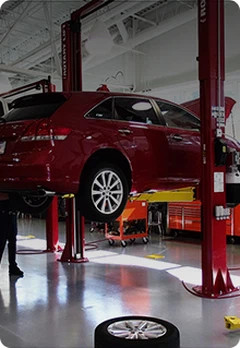
Let's start with the type of lift. There are several different types of home car parking lifts available on the market, each with its own unique power requirements. For example, a 4 Post Automotive Storage Car Lift typically uses a hydraulic system to lift the car. Hydraulic systems work by using a pump to move hydraulic fluid through a series of cylinders, which then lift the platform. These pumps usually require an electric motor to operate, and the power consumption of the motor can vary depending on its size and the amount of pressure it needs to generate.
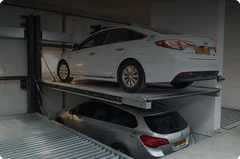
On the other hand, a DAXLIFTER 2.3t - 3.2t 2.1m Home 2 Double Car Vehicle Storage Stacker Parking Lift might use a different mechanism, such as a screw - drive system or a chain - driven system. These systems also require an electric motor to operate, but the power requirements can be different from those of a hydraulic system. For instance, a screw - drive system might be more energy - efficient because it doesn't have the same fluid losses as a hydraulic system.
The capacity of the lift is another important factor. A lift with a higher weight capacity, say one that can handle a large SUV or a luxury sedan, will generally require more power to operate than a lift with a lower capacity. This is because the motor has to work harder to lift the heavier vehicle. For example, the DAXLIFTER Home 4 Post Auto Car Hoist Stacker Parking Lift with Custom Service that can handle heavier vehicles will likely have a more powerful motor and thus consume more electricity per lift operation compared to a smaller lift.
The frequency of use also matters. If you use your home car parking lift multiple times a day, the cumulative power consumption will be higher than if you only use it once a week. Lifts that are used frequently may also experience more wear and tear on the motor and other components, which can lead to slightly higher power consumption over time as the system becomes less efficient.
Let's talk about some numbers. On average, a small - to - medium - sized home car parking lift with a capacity of around 2 - 3 tons might consume between 1 - 3 kilowatt - hours (kWh) per lift operation. However, this is just a rough estimate. A more accurate figure would depend on the factors we've discussed above. For example, a simple DAXLIFTER 2.3T Car Garage Scissor Parking Lift might be on the lower end of this range if it has an efficient design and is used to lift lighter cars.


If you're looking for ways to reduce the power consumption of your home car parking lift, there are a few things you can do. First, make sure the lift is properly maintained. Regularly lubricating moving parts, checking the hydraulic fluid levels (if it's a hydraulic lift), and ensuring that the motor is in good working condition can all help improve the lift's efficiency. Second, consider using the lift only when necessary. If you don't need to move your car up and down the lift multiple times a day, try to limit its use.
Another option is to look for lifts with energy - saving features. Some modern home car parking lifts come with features like variable - speed drives, which can adjust the motor's speed based on the load, thereby reducing power consumption. Others might have automatic shut - off functions that turn off the lift when it's not in use for a certain period of time.
Now, let's take a quick look at a Two Post Tiltable Parking Lift. This type of lift has its own power consumption characteristics. The tilting mechanism adds an extra element to the power requirements. The motor has to not only lift the vehicle but also control the tilt, which can increase the overall energy usage. However, like other lifts, proper maintenance and efficient design can help keep the power consumption in check.
In conclusion, the power consumption of a home car parking lift is a complex topic that depends on many factors. As a supplier, I always recommend that customers consider their specific needs and usage patterns when choosing a lift. If you're worried about power consumption, it's a good idea to ask the manufacturer about the lift's energy efficiency ratings and any energy - saving features.
If you're in the market for a home car parking lift and want to learn more about our products, their power consumption, or any other details, feel free to reach out. We're here to help you make an informed decision and find the perfect lift for your home. Whether you're looking for a simple and efficient scissor lift or a high - capacity 4 - post lift, we've got you covered. Let's start a conversation about your parking needs and see how we can assist you!
References
- General knowledge about home car parking lift technology and power consumption from industry experience.
- Product specifications and technical data from various home car parking lift manufacturers.


