





When it comes to the usage of a rotating stage, understanding the appropriate temperature range is crucial for ensuring optimal performance and longevity. As a rotating stage supplier, I've encountered numerous inquiries regarding this topic. In this blog, I'll delve into the factors that influence the temperature range for using a rotating stage and provide insights based on industry knowledge and experience.
Factors Affecting the Temperature Range
Material Properties
The materials used in the construction of a rotating stage play a significant role in determining its temperature tolerance. For instance, metals such as aluminum and steel have different coefficients of thermal expansion. Aluminum has a relatively high coefficient of thermal expansion, which means it expands and contracts more significantly with temperature changes compared to steel. This can affect the precision and stability of the rotating stage. If the temperature fluctuates too much, it may lead to misalignment or even damage to the stage components.
Lubrication
Lubricants are essential for reducing friction and ensuring smooth operation of the rotating stage. However, different lubricants have different temperature ranges within which they perform optimally. For example, some lubricants may become too viscous at low temperatures, causing the stage to operate sluggishly. On the other hand, high temperatures can cause the lubricant to break down, leading to increased friction and wear. Therefore, it's important to choose a lubricant that is suitable for the expected temperature range of the operating environment.
Electronic Components
Many modern rotating stages are equipped with electronic components such as motors, sensors, and controllers. These components are sensitive to temperature changes. High temperatures can cause the electronic components to overheat, leading to malfunctions or even permanent damage. Low temperatures, on the other hand, can affect the performance of the sensors and controllers, resulting in inaccurate positioning or operation.
General Temperature Range for Rotating Stages
In general, most rotating stages are designed to operate within a temperature range of -20°C to 60°C. However, this range can vary depending on the specific design and application of the stage. For example, rotating stages used in industrial environments may need to withstand higher temperatures due to the presence of machinery and equipment that generate heat. On the other hand, rotating stages used in laboratory settings may require a more precise temperature range to ensure accurate measurements and experiments.
Special Considerations for Extreme Temperatures
Low Temperatures
In cold environments, the performance of the rotating stage may be affected by the following factors:
- Lubrication: As mentioned earlier, lubricants can become too viscous at low temperatures, which can increase friction and reduce the smoothness of the stage operation. To address this issue, it's recommended to use a lubricant specifically designed for low-temperature applications.
- Material contraction: The materials used in the rotating stage may contract at low temperatures, which can lead to misalignment or even damage to the stage components. To prevent this, it's important to ensure that the stage is properly designed and installed to accommodate the thermal contraction.
- Electronic components: Electronic components may experience reduced performance or malfunctions at low temperatures. It's important to use components that are rated for low-temperature operation and to provide appropriate insulation and heating if necessary.
High Temperatures
In hot environments, the performance of the rotating stage may be affected by the following factors:
- Lubrication: High temperatures can cause the lubricant to break down, leading to increased friction and wear. To address this issue, it's recommended to use a lubricant specifically designed for high-temperature applications.
- Material expansion: The materials used in the rotating stage may expand at high temperatures, which can lead to misalignment or even damage to the stage components. To prevent this, it's important to ensure that the stage is properly designed and installed to accommodate the thermal expansion.
- Electronic components: Electronic components may overheat at high temperatures, leading to malfunctions or even permanent damage. It's important to use components that are rated for high-temperature operation and to provide appropriate cooling if necessary.
Applications and Temperature Requirements
Industrial Applications
In industrial applications, rotating stages are often used in harsh environments where temperature fluctuations can be significant. For example, in manufacturing plants, rotating stages may be exposed to high temperatures due to the presence of machinery and equipment that generate heat. In such cases, it's important to choose a rotating stage that is designed to withstand high temperatures and to provide appropriate cooling if necessary.
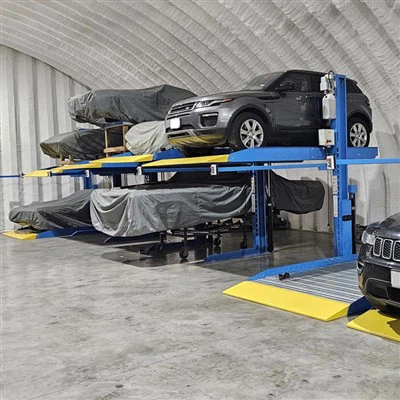
One example of an industrial application is the DAXLIFTER Customized Car Vehicle Rotary Rotating Stage Platform. This platform is designed to rotate cars in parking lots, allowing for more efficient use of space. The platform needs to be able to operate in a wide range of temperatures, from cold winter days to hot summer afternoons. Therefore, it's important to choose a rotating stage that is designed to withstand these temperature fluctuations.
Laboratory Applications
In laboratory applications, rotating stages are often used for precise measurements and experiments. In such cases, it's important to maintain a stable temperature environment to ensure accurate results. For example, in a research laboratory, a rotating stage may be used to position a sample for microscopy or spectroscopy. The stage needs to be able to operate within a narrow temperature range to ensure that the sample remains stable and the measurements are accurate.


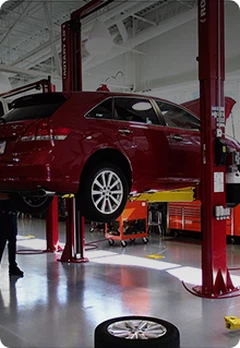
One example of a laboratory application is the Floor To Floor Car Lift Platform. This platform is designed to lift cars between different floors in a building. The platform needs to be able to operate in a controlled temperature environment to ensure the safety and efficiency of the lifting process.
Conclusion
In conclusion, understanding the temperature range for using a rotating stage is essential for ensuring optimal performance and longevity. The temperature range is influenced by factors such as material properties, lubrication, and electronic components. Most rotating stages are designed to operate within a temperature range of -20°C to 60°C, but this range can vary depending on the specific design and application of the stage. In extreme temperatures, special considerations need to be taken to ensure the proper operation of the stage.
If you're in the market for a rotating stage and have specific temperature requirements, I encourage you to contact us. Our team of experts can help you choose the right rotating stage for your application and provide you with the necessary support and guidance. We're committed to providing high-quality products and excellent customer service, and we look forward to working with you.
References
- "Thermal Expansion and Contraction in Engineering Materials" - A textbook on the principles of thermal expansion and its effects on materials.
- "Lubrication in High and Low Temperature Environments" - A research paper on the performance of lubricants in different temperature conditions.
- "Electronic Component Temperature Ratings" - A technical document providing information on the temperature ratings of electronic components.