




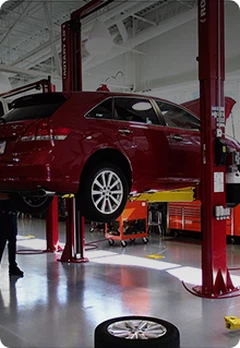

As a car hoist supplier, I've seen firsthand the importance of proper maintenance for these essential pieces of equipment. Car hoists are crucial for automotive repair shops, garages, and even home enthusiasts, as they provide a safe and efficient way to lift vehicles for maintenance and repairs. In this blog post, I'll discuss the various types of maintenance that a car hoist needs to ensure its longevity, safety, and optimal performance.
Regular Inspections
Regular inspections are the cornerstone of car hoist maintenance. These inspections should be conducted daily, weekly, monthly, and annually, depending on the type of inspection and the frequency of use.
Daily Inspections
Daily inspections are quick checks that should be performed before each use of the car hoist. These inspections help identify any immediate safety hazards or issues that could affect the hoist's performance. Here are some key points to check during a daily inspection:
- Visual Inspection: Look for any signs of damage, such as cracks, dents, or loose parts. Check the cables, chains, and hydraulic hoses for any signs of wear or fraying.
- Lifting Arms: Ensure that the lifting arms are properly aligned and that the locking mechanisms are functioning correctly. Test the lifting arms by raising and lowering the hoist a few inches to ensure smooth operation.
- Safety Locks: Check the safety locks to ensure that they engage and disengage properly. The safety locks are designed to prevent the hoist from accidentally lowering, so it's crucial that they are in good working condition.
- Floor and Foundation: Inspect the floor and foundation where the hoist is installed. Look for any signs of damage, such as cracks or unevenness, that could affect the hoist's stability.
Weekly Inspections
Weekly inspections are more comprehensive than daily inspections and should include a more detailed check of the hoist's components. Here are some additional points to check during a weekly inspection:
- Hydraulic System: Check the hydraulic fluid level and look for any signs of leaks. The hydraulic system is responsible for lifting and lowering the hoist, so it's important to ensure that it is functioning properly.
- Electrical System: Inspect the electrical connections and wiring for any signs of damage or loose connections. Check the control panel to ensure that all the buttons and switches are functioning correctly.
- Lubrication: Lubricate all the moving parts, such as the lifting arms, chains, and cables, to ensure smooth operation. Use a high-quality lubricant that is recommended by the hoist manufacturer.
Monthly Inspections
Monthly inspections are even more detailed and should include a thorough check of the hoist's components. Here are some additional points to check during a monthly inspection:
- Load Capacity: Check the load capacity of the hoist to ensure that it is not being overloaded. Overloading the hoist can cause damage to the components and increase the risk of accidents.
- Alignment: Check the alignment of the hoist to ensure that it is level and plumb. A misaligned hoist can cause uneven wear on the components and increase the risk of accidents.
- Safety Devices: Test all the safety devices, such as the emergency stop button, limit switches, and overload protection, to ensure that they are functioning correctly.
Annual Inspections
Annual inspections are the most comprehensive and should be performed by a qualified technician. The annual inspection should include a detailed check of all the hoist's components, including the structural integrity of the hoist. Here are some additional points to check during an annual inspection:
- Structural Integrity: Inspect the hoist's frame and structure for any signs of damage or fatigue. The structural integrity of the hoist is crucial for its safety and performance.
- Certification: Ensure that the hoist is certified by a recognized testing agency, such as the Automotive Lift Institute (ALI). Certification ensures that the hoist meets the industry standards for safety and performance.
- Maintenance Records: Keep a detailed record of all the maintenance and inspections performed on the hoist. This record can be used to track the hoist's maintenance history and ensure that it is being properly maintained.
Cleaning and Lubrication
Cleaning and lubrication are essential for maintaining the performance and longevity of a car hoist. Regular cleaning helps remove dirt, debris, and contaminants that can cause damage to the hoist's components, while lubrication helps reduce friction and wear on the moving parts.
Cleaning
Clean the hoist regularly to remove dirt, debris, and contaminants. Use a mild detergent and water to clean the hoist's frame, lifting arms, and other components. Avoid using harsh chemicals or abrasive cleaners, as these can damage the hoist's finish.
Lubrication
Lubricate all the moving parts, such as the lifting arms, chains, and cables, to ensure smooth operation. Use a high-quality lubricant that is recommended by the hoist manufacturer. Follow the manufacturer's instructions for lubrication frequency and quantity.
Hydraulic System Maintenance
The hydraulic system is one of the most critical components of a car hoist, as it is responsible for lifting and lowering the hoist. Proper maintenance of the hydraulic system is essential for ensuring the hoist's safety and performance.
Hydraulic Fluid
Check the hydraulic fluid level regularly and top it up if necessary. Use the hydraulic fluid that is recommended by the hoist manufacturer. Avoid using the wrong type of hydraulic fluid, as this can cause damage to the hydraulic system.

Hydraulic Hoses
Inspect the hydraulic hoses regularly for any signs of wear or damage. Replace any damaged hoses immediately to prevent hydraulic fluid leaks.
Hydraulic Pump
The hydraulic pump is responsible for pressurizing the hydraulic fluid and lifting the hoist. Check the hydraulic pump regularly for any signs of damage or malfunction. If the hydraulic pump is not functioning correctly, it should be repaired or replaced by a qualified technician.
Electrical System Maintenance
The electrical system is another critical component of a car hoist, as it is responsible for controlling the hoist's operation. Proper maintenance of the electrical system is essential for ensuring the hoist's safety and performance.
Electrical Connections
Inspect the electrical connections regularly for any signs of damage or loose connections. Tighten any loose connections and replace any damaged wires or connectors.
Control Panel
The control panel is the interface between the operator and the hoist. Check the control panel regularly for any signs of damage or malfunction. If the control panel is not functioning correctly, it should be repaired or replaced by a qualified technician.
Emergency Stop Button
The emergency stop button is a crucial safety feature of the hoist. Test the emergency stop button regularly to ensure that it is functioning correctly. If the emergency stop button is not functioning correctly, it should be repaired or replaced immediately.
Conclusion
Proper maintenance is essential for ensuring the longevity, safety, and optimal performance of a car hoist. By following the maintenance guidelines outlined in this blog post, you can help prevent costly repairs and downtime, and ensure that your car hoist is always in good working condition.
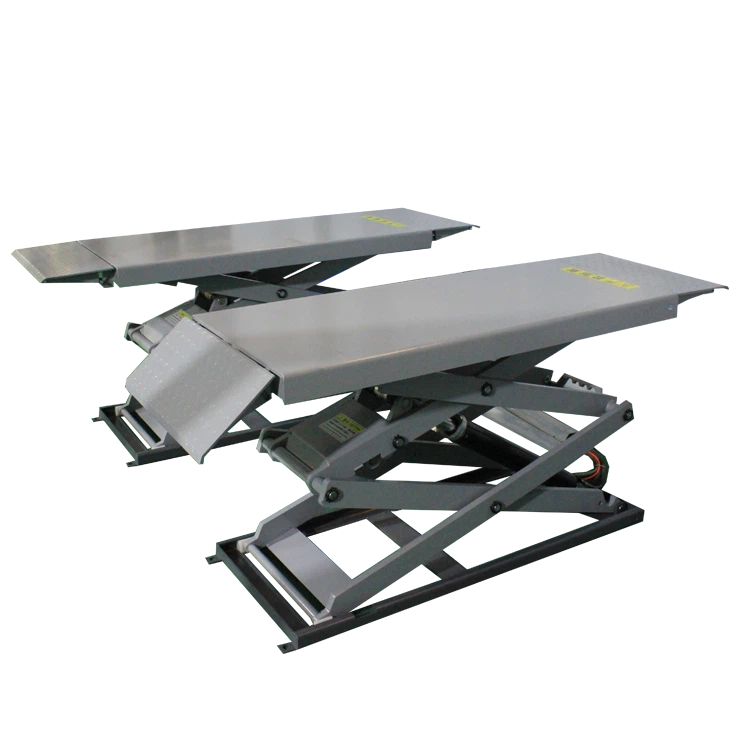
At our company, we offer a wide range of high-quality car hoists, including the DAXLIFTER 3.5T-4.5T 2 Post Car Garage Car Lift, DAXLIFTER 3T Mid Rise Scissor Car Lift, and DAXLIFTER 3.5T Low Profile Scissor Car Garage Lift. Our car hoists are designed to meet the highest industry standards for safety and performance, and we offer comprehensive maintenance and support services to ensure that your car hoist is always in good working condition.
If you're interested in learning more about our car hoists or our maintenance services, please don't hesitate to contact us. We'd be happy to answer any questions you may have and help you find the right car hoist for your needs.
References
- Automotive Lift Institute (ALI). (n.d.). Lift Maintenance Guidelines. Retrieved from https://www.autolift.org/lift-maintenance-guidelines/
- BendPak. (n.d.). Car Lift Maintenance Guide. Retrieved from https://www.bendpak.com/car-lift-maintenance-guide/
- Rotary Lift. (n.d.). Lift Maintenance Tips. Retrieved from https://www.rotarylift.com/resources/lift-maintenance-tips


