







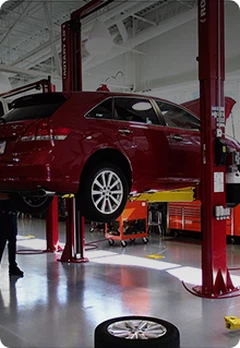


Hey there! As a garage lift supplier, I get asked a ton of questions about installing garage lifts, and one of the most common ones is, "Can a garage lift be installed on a concrete floor?" Well, let's dive right into this topic and find out.
First off, the short answer is yes, a garage lift can usually be installed on a concrete floor. But, there are a bunch of factors we need to consider to make sure it's done right and safely.
The Condition of the Concrete Floor
The quality and condition of your concrete floor are super important. You don't want to just plop a lift on any old concrete slab. The floor should be thick enough to handle the weight of the lift and the vehicle it'll be lifting. A general rule of thumb is that the concrete should be at least 4 inches thick. If it's thinner than that, it might not be able to support the load, and you could end up with some serious problems, like the lift sinking or the concrete cracking.
The concrete also needs to be in good shape. It shouldn't have any major cracks, chips, or spalling (where the surface of the concrete starts to flake off). If there are small cracks, they might be fixable, but large or extensive damage could mean you'll need to repair or replace the concrete before installing the lift.
Another thing to check is the flatness of the floor. A garage lift needs to be installed on a level surface. If the floor is uneven, it can cause the lift to tilt, which is not only dangerous but can also affect the performance of the lift. You can use a long straightedge to check for any high or low spots on the floor.
Load-Bearing Capacity
Garage lifts come in different sizes and capacities, and your concrete floor needs to be able to handle the weight. For example, our DAXLIFTER 3.5T Scissor Car Hoist can lift up to 3.5 tons. That's a pretty hefty load, and the floor needs to be strong enough to support it without any issues.


The load-bearing capacity of the concrete depends on a few things, like the type of concrete used, the reinforcement (if any), and how it was installed. A professional engineer can do a load-bearing analysis to determine if your floor can handle the specific lift you're considering. If the floor doesn't have enough capacity, you might need to reinforce it, which could involve adding additional concrete or steel reinforcement.
Anchoring the Lift
Once you've determined that your concrete floor is suitable, the next step is to anchor the lift properly. Most garage lifts need to be bolted down to the concrete to ensure stability. The type of anchors used depends on the lift and the concrete. There are different types of anchors, like expansion anchors and epoxy anchors.
Expansion anchors work by expanding inside a pre-drilled hole in the concrete, creating a tight fit. Epoxy anchors, on the other hand, use a special epoxy resin to bond the anchor to the concrete. Both types can be effective, but it's important to follow the manufacturer's instructions for the specific lift you're installing.
When drilling the holes for the anchors, you need to be careful not to damage the reinforcement in the concrete. If you hit a rebar or wire mesh, it could weaken the floor and cause problems down the road. It's a good idea to use a metal detector to locate any reinforcement before drilling.
Installation Process
Installing a garage lift on a concrete floor is a complex process that requires some technical knowledge and the right tools. It's not something you should try to do on your own unless you have experience with this kind of work. A professional installer will have the skills and equipment to ensure that the lift is installed correctly and safely.
The installation process typically involves the following steps:
- Preparing the Floor: This includes cleaning the floor, marking the location of the lift, and drilling the holes for the anchors.
- Assembling the Lift: The lift components need to be assembled according to the manufacturer's instructions. This can be a time-consuming process, especially for larger lifts.
- Positioning the Lift: Once the lift is assembled, it needs to be carefully positioned on the floor and aligned with the pre-drilled holes.
- Anchoring the Lift: The lift is then bolted down to the concrete using the appropriate anchors.
- Testing the Lift: After the lift is installed, it needs to be tested to make sure it's working properly. This includes checking the hydraulic system, the safety features, and the lifting capacity.
Other Considerations
There are a few other things to keep in mind when installing a garage lift on a concrete floor. For example, you need to make sure there's enough clearance around the lift. You'll need space to open the car doors, move around the vehicle, and access the controls of the lift.
You also need to consider the electrical and hydraulic requirements of the lift. Most garage lifts require a power source and a hydraulic system to operate. Make sure you have the necessary electrical outlets and that the hydraulic system is properly installed and maintained.
If you're planning to install a lift in a commercial garage, you might need to comply with local building codes and regulations. These can vary depending on your location, so it's important to check with your local authorities before starting the installation.
Our Garage Lift Options
At our company, we offer a wide range of garage lifts to suit different needs and budgets. In addition to the DAXLIFTER 3.5T Scissor Car Hoist, we also have the DAXLIFTER 2 Post 3.5t - 5t Car Electric Hoist Lift. This lift is great for larger vehicles and offers a higher lifting capacity.
We also have the Pneumatic Scissor Car Jack, which is a more portable option for smaller jobs or for use in a home garage.
Conclusion
So, to sum it up, a garage lift can be installed on a concrete floor, but it's important to make sure the floor is in good condition, has the right load-bearing capacity, and is properly prepared. The installation process should be done by a professional to ensure safety and proper operation.
If you're thinking about installing a garage lift and have any questions or need more information, don't hesitate to get in touch with us. We're here to help you choose the right lift for your needs and make sure it's installed correctly. Whether you're a home mechanic or a commercial garage owner, we've got the expertise and the products to get the job done.
References
- "Garage Lift Installation Guide," Lift Manufacturers Association
- "Concrete Flooring for Garage Lifts," American Concrete Institute


