







Hey there! I'm a supplier of vehicle lifts, and today I'm gonna share with you how to operate a vehicle lift safely. Whether you're a professional mechanic or a car enthusiast who likes to work on your own rides, safety should always be your top priority when using a vehicle lift.
First things first, before you even start using the lift, you need to do a thorough inspection. Check the lift for any visible signs of damage like cracks, leaks, or loose parts. Make sure the hydraulic system, if it's a hydraulic lift, is in good working condition. Look at the cables, chains, and pulleys on cable - or chain - operated lifts. If you spot any issues, don't use the lift until it's been properly repaired.


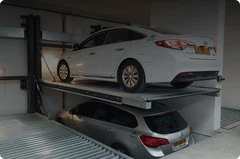
Next, you need to choose the right lift for the job. We offer a variety of vehicle lifts, such as the DAXLIFTER 3.5T Scissor Car Hoist. This scissor car hoist is great for smaller vehicles and light - duty work. It's compact and easy to operate. Then there's the DAXLIFTER 3.5T 4 Post Car Hoist Lift with Second Lifting Function. This one is perfect for larger cars and trucks. It provides a stable platform and the second lifting function gives you more options for working on your vehicle. And we also have the DAXLIFTER 3.5T Pit Scissor Type Car Stacker Lift, which is ideal for saving space and stacking vehicles.
Once you've selected the appropriate lift, it's time to prepare the vehicle. Park the car or truck on a flat, level surface. Remove any loose items from the vehicle to prevent them from falling and causing damage or injury. Make sure the transmission is in park (for automatics) or in gear (for manuals), and engage the parking brake.
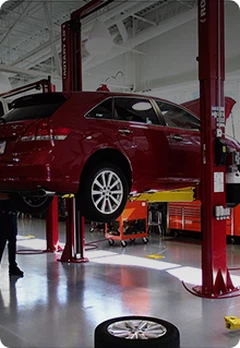
Now, let's talk about positioning the lift. If it's a two - post lift, align the lift arms with the vehicle's designated lifting points. These lifting points are usually marked in the vehicle's owner's manual. Placing the lift arms incorrectly can cause the vehicle to tip or fall off the lift. For a four - post lift, drive the vehicle onto the lift evenly. Make sure the vehicle is centered on the lift for stability.
When you're ready to start lifting, follow the lift's operating instructions carefully. Most modern lifts have a control panel with easy - to - understand buttons. Start the lift slowly, watch the vehicle closely as it rises. Listen for any strange noises, which could indicate a problem. If you notice something off, stop the lift immediately.
Once the vehicle is at the desired height, make sure to engage the safety locks. These locks prevent the lift from accidentally lowering. Double - check that all the locks are properly engaged before you start working under the vehicle.
While you're working under the lift, always wear appropriate safety gear like safety glasses, gloves, and a hard hat. Keep your work area clean and organized to avoid tripping hazards. Don't overload the lift. Each lift has a maximum weight capacity, and exceeding it can be extremely dangerous.
When you're done working on the vehicle, it's time to lower it. First, make sure all tools and equipment are removed from under the vehicle. Then, disengage the safety locks in the proper sequence as per the lift's instructions. Lower the vehicle slowly, again watching and listening for any signs of trouble.
Regular maintenance is also crucial for safe operation. Follow the manufacturer's recommended maintenance schedule. This may include things like changing the hydraulic fluid, lubricating moving parts, and inspecting the electrical system if it's an electrically - operated lift.
Training is another important aspect. If you're new to using a vehicle lift, it's a good idea to get some training. You can attend a training course offered by the lift manufacturer or a professional training organization. This will give you hands - on experience and ensure you know how to operate the lift safely.
In addition to these basic safety steps, you should also be aware of local safety regulations. Different areas may have specific rules regarding the use of vehicle lifts. Make sure you comply with these regulations to avoid any legal issues.
So, to sum it up, operating a vehicle lift safely involves careful inspection, choosing the right lift, proper vehicle preparation, correct positioning, slow and careful lifting and lowering, engaging safety locks, wearing safety gear, avoiding overloading, regular maintenance, getting training, and following local regulations.
If you're in the market for a high - quality vehicle lift, we've got you covered. Our DAXLIFTER series of lifts are designed with safety and durability in mind. Whether you need a scissor car hoist, a 4 - post car hoist, or a pit scissor type car stacker lift, we have the perfect solution for you.
If you're interested in purchasing a vehicle lift or have any questions, don't hesitate to reach out. We're here to help you make the right choice and ensure you can operate your lift safely and effectively.
References
- General knowledge from years of experience in the vehicle lift industry.
- Manufacturer's manuals for DAXLIFTER vehicle lifts.


