




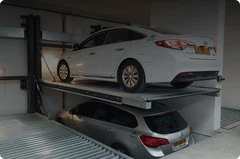


Hey there, fellow car enthusiasts and garage owners! As a vehicle lift supplier, I often get asked the question: How often should a vehicle lift be serviced? It's a crucial question, and the answer can vary depending on several factors. In this blog post, I'll break down the key considerations and give you some practical advice on keeping your vehicle lift in top-notch condition.
First off, let's talk about why regular servicing is so important. A vehicle lift is a complex piece of equipment that undergoes a lot of stress every time it's used. Over time, wear and tear can take a toll on its components, leading to potential safety hazards. Regular servicing helps identify and address any issues before they turn into major problems, ensuring the lift operates safely and efficiently.
One of the main factors that determine how often a vehicle lift should be serviced is its usage. If you have a busy auto repair shop where the lift is in constant use, it will need more frequent servicing compared to a lift in a home garage that's used occasionally. As a general rule of thumb, lifts in commercial settings should be serviced at least once a year, while those in residential settings can get by with servicing every two years.
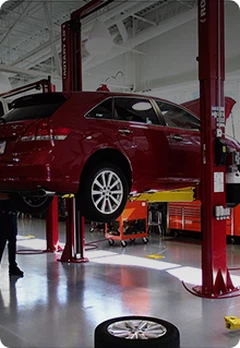
However, usage isn't the only factor to consider. The type of lift also plays a role. For example, scissor lifts and two-post lifts have different maintenance requirements. Scissor lifts, like the DAXLIFTER 3.5T Low Profile Scissor Car Garage Lift and DAXLIFTER 3T Mid Rise Scissor Car Lift, have hydraulic systems that need to be checked regularly for leaks and proper fluid levels. On the other hand, two-post lifts, such as the DAXLIFTER 3.5T - 4.5T 2 Post Car Garage Car Lift, require inspections of the cables, chains, and locking mechanisms.


Another important consideration is the environment in which the lift is located. If the lift is in a dirty or corrosive environment, it will be more prone to damage and may need more frequent servicing. For example, lifts in coastal areas or industrial settings where there's a lot of dust and debris should be inspected more often to prevent rust and other forms of corrosion.
Now, let's talk about what a typical service for a vehicle lift involves. A comprehensive service usually includes the following steps:
- Visual Inspection: The technician will visually inspect the lift for any signs of damage, such as cracks, dents, or loose components. They'll also check the hydraulic hoses, cables, and chains for wear and tear.
- Hydraulic System Check: For hydraulic lifts, the technician will check the fluid level, pressure, and look for any leaks. They may also flush and replace the hydraulic fluid if necessary.
- Mechanical Component Inspection: The technician will inspect the mechanical components of the lift, such as the pulleys, bearings, and locking mechanisms. They'll lubricate the moving parts to ensure smooth operation.
- Electrical System Check: If the lift has an electrical component, the technician will check the wiring, switches, and controls for proper functioning.
- Load Testing: The lift will be tested with a load to ensure it can safely support the weight it's rated for.
In addition to regular servicing, there are some things you can do to extend the lifespan of your vehicle lift. Here are a few tips:
- Keep it clean: Regularly clean the lift to remove dirt, grease, and debris. This will prevent corrosion and ensure the components work properly.
- Follow the manufacturer's instructions: Read and follow the manufacturer's guidelines for operating and maintaining the lift. This includes proper loading procedures and weight limits.
- Train your staff: If you have employees using the lift, make sure they're properly trained on how to use it safely. This will reduce the risk of accidents and damage to the lift.
So, to sum it up, how often you should service your vehicle lift depends on its usage, type, and the environment it's in. As a general guideline, commercial lifts should be serviced annually, while residential lifts can be serviced every two years. By following these recommendations and taking good care of your lift, you can ensure it operates safely and efficiently for years to come.
If you're in the market for a new vehicle lift or need servicing for your existing lift, don't hesitate to reach out. We're here to help you find the right lift for your needs and keep it in top condition. Whether you're looking for a scissor lift or a two-post lift, we've got you covered. Contact us today to start the conversation!
References
- Automotive Lift Institute (ALI) guidelines
- Manufacturer's manuals for DAXLIFTER vehicle lifts


