






As a supplier of car parking lifts, I've witnessed firsthand the various challenges that come with the installation process. Car parking lifts are an excellent solution for maximizing parking space, whether in commercial buildings, residential complexes, or personal garages. However, the installation is not without its hurdles. In this blog, I'll delve into the key installation challenges for car parking lifts and offer insights on how to overcome them.
Site Assessment and Preparation
One of the initial challenges is conducting a thorough site assessment. Every installation site is unique, with its own set of characteristics that can impact the installation process. Factors such as the floor structure, ceiling height, and available space need to be carefully evaluated.
The floor structure is crucial as it must be able to support the weight of the lift and the vehicles it will carry. If the floor is not strong enough, additional reinforcement may be required. For instance, in older buildings, the floors may have been designed without considering the load of modern car parking lifts. In such cases, structural engineers may need to be consulted to determine the best way to strengthen the floor. This can add both time and cost to the installation project.
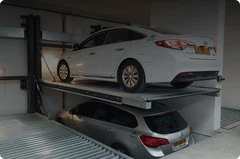
Ceiling height is another important consideration. Different types of car parking lifts have different height requirements. For example, the DAXLIFTER 4 Four Post Indoor Outdoor Commercial Vehicle Parking Lift may need a certain clearance to operate safely. If the ceiling is too low, it may not be possible to install the lift, or modifications to the ceiling may be necessary. This could involve raising the ceiling, which is a complex and expensive process.
Available space is also a critical factor. The lift needs to be installed in an area where there is enough room for vehicles to enter and exit safely. There should also be sufficient space around the lift for maintenance and emergency access. In some cases, the available space may be limited, requiring creative solutions such as customizing the lift design or reconfiguring the parking layout.
Electrical and Hydraulic Systems
Car parking lifts rely on electrical and hydraulic systems to operate. Installing these systems correctly is essential for the safe and efficient functioning of the lift.
Electrical installation can be challenging, especially in older buildings where the electrical infrastructure may not be up to date. The lift requires a stable power supply, and the electrical wiring needs to be installed in accordance with local electrical codes. This may involve upgrading the electrical panel, running new wiring, and installing appropriate safety devices such as circuit breakers and grounding systems. Any electrical issues can not only affect the performance of the lift but also pose a safety hazard.
Hydraulic systems are also complex to install. The hydraulic cylinders, pumps, and hoses need to be installed and connected properly to ensure smooth operation. Leaks in the hydraulic system can lead to reduced performance and potential damage to the lift. Additionally, the hydraulic fluid needs to be of the correct type and level, and regular maintenance is required to keep the system in good working condition.
Safety and Compliance
Safety is of utmost importance when installing car parking lifts. The lift must comply with all relevant safety standards and regulations. This includes ensuring that the lift has proper safety features such as emergency stop buttons, safety locks, and overload protection.
Compliance with local building codes and regulations is also a challenge. Different regions may have different requirements for the installation of car parking lifts. For example, some areas may require specific fire safety measures or accessibility features. Failure to comply with these regulations can result in fines and delays in the installation process.


To ensure safety and compliance, it is essential to work with experienced installers who are familiar with the local regulations. They can ensure that the lift is installed correctly and meets all the necessary safety standards.
Coordination and Communication
Installing a car parking lift often involves coordinating with multiple parties, including contractors, architects, and building owners. Effective communication is crucial to ensure that everyone is on the same page and that the installation process runs smoothly.
There may be conflicts or delays if there is a lack of communication between the different parties. For example, the contractor may start the installation without having all the necessary approvals from the building owner, or the architect may change the design of the parking area after the lift has already been ordered. To avoid these issues, it is important to establish clear lines of communication and a detailed project plan.
Training and Maintenance
Once the car parking lift is installed, proper training is required for the users and maintenance personnel. Users need to be trained on how to operate the lift safely, including how to enter and exit the lift, how to use the control panel, and what to do in case of an emergency.
Maintenance personnel need to be trained on how to perform regular maintenance tasks such as checking the hydraulic fluid level, inspecting the electrical components, and lubricating the moving parts. Without proper training, the lift may not be operated or maintained correctly, which can lead to premature wear and tear and potential safety issues.
Overcoming the Challenges
Despite these challenges, there are ways to overcome them. Working with a reputable supplier like us can make a significant difference. We have extensive experience in the installation of car parking lifts and can provide guidance and support throughout the process.
We offer a range of high-quality car parking lifts, such as the Two Post Tiltable Parking Lift and the DAXLIFTER Home 4 Post Auto Car Hoist Stacker Parking Lift with Custom Service. Our team of experts can conduct a detailed site assessment and recommend the most suitable lift for your needs. We also work closely with experienced installers who are familiar with local regulations and safety standards.
In addition, we provide comprehensive training and after-sales support to ensure that your car parking lift operates safely and efficiently. Our training programs cover both user operation and maintenance procedures, and our after-sales team is available to assist with any issues that may arise.
Conclusion
Installing a car parking lift can be a complex process with various challenges. However, by understanding these challenges and taking the necessary steps to overcome them, you can ensure a successful installation. As a leading supplier of car parking lifts, we are committed to providing our customers with high-quality products and excellent service. If you are considering installing a car parking lift, we encourage you to contact us for more information and to discuss your specific requirements. We look forward to working with you to find the best solution for your parking needs.
References
- Industry standards and guidelines for car parking lift installation
- Local building codes and regulations related to car parking lift installation
- Manufacturer's installation manuals for car parking lifts


