






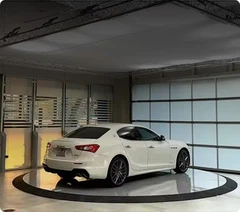



When it comes to installing a garage lift, local regulations play a crucial role in ensuring safety, compliance, and the proper functioning of the equipment. As a garage lift supplier, I've seen firsthand how important it is for customers to understand these regulations before making a purchase and installation. In this blog post, I'll delve into the various local regulations regarding garage lift installation and provide some insights for those considering adding a lift to their garage.
Zoning and Permit Requirements
One of the first things to consider when installing a garage lift is the zoning regulations in your area. Zoning laws dictate how land can be used and what types of structures can be built on it. Some areas may have specific restrictions on the installation of garage lifts, especially in residential zones. For example, there may be limitations on the size, height, or location of the lift within the property.
Before proceeding with the installation, it's essential to check with your local planning department or zoning board to determine if a permit is required. In many cases, a building permit is necessary for the installation of a garage lift. The permit process typically involves submitting detailed plans and specifications of the lift, including its dimensions, weight capacity, and installation method. The local authorities will review these plans to ensure that the installation complies with all relevant codes and regulations.
Structural Requirements
Garage lifts are heavy pieces of equipment that place significant stress on the floor and structure of the garage. Therefore, it's crucial to ensure that the garage is structurally capable of supporting the weight of the lift and the vehicles it will be lifting. Local building codes often have specific requirements for the thickness and strength of the garage floor, as well as the structural integrity of the walls and ceiling.
Before installing a garage lift, it's advisable to have a professional engineer or contractor assess the structural capacity of the garage. They can determine if any modifications or reinforcements are necessary to meet the requirements of the local building codes. This may include adding additional support beams, strengthening the floor, or making other structural improvements.
Electrical and Plumbing Requirements
Garage lifts typically require electrical power to operate, and in some cases, they may also require a water supply for hydraulic systems. Local electrical and plumbing codes govern the installation of these systems to ensure safety and compliance.
When it comes to electrical requirements, the lift must be connected to a properly grounded electrical circuit that can handle the load. The wiring must be installed by a licensed electrician and meet all relevant electrical codes. Additionally, the lift may require a dedicated circuit to prevent overloading and ensure reliable operation.
For hydraulic lifts, a water supply may be necessary to fill the hydraulic reservoir. The plumbing system must be installed in accordance with local plumbing codes to prevent leaks and ensure proper operation. It's important to hire a licensed plumber to install the plumbing system and ensure that it meets all the necessary requirements.
Safety Requirements
Safety is of utmost importance when it comes to garage lift installation. Local regulations often include specific safety requirements to protect users from accidents and injuries. These requirements may include the installation of safety features such as locking mechanisms, emergency stop buttons, and safety cables.


In addition to the safety features built into the lift itself, there may be requirements for the installation of safety barriers or guards around the lift. These barriers help prevent unauthorized access to the lift and reduce the risk of accidents. It's important to ensure that the lift is installed in a location that allows for easy access and maneuverability, while also providing adequate space for safety measures.
Manufacturer's Recommendations
In addition to local regulations, it's important to follow the manufacturer's recommendations for the installation of the garage lift. The manufacturer's instructions provide detailed information on how to properly install, operate, and maintain the lift. These instructions are based on the design and engineering of the lift and are essential for ensuring its safe and reliable operation.
Before installing the lift, carefully read the manufacturer's instructions and follow them step by step. If you have any questions or concerns, don't hesitate to contact the manufacturer or a qualified installer for assistance. By following the manufacturer's recommendations, you can ensure that the lift is installed correctly and operates safely.
Our Garage Lift Products
As a garage lift supplier, we offer a wide range of high-quality garage lifts to meet the needs of our customers. Our products include the DAXLIFTER 3.5T - 4.5T 2 Post Car Garage Car Lift, the DAXLIFTER 3T Mid Rise Scissor Car Lift, and the DAXLIFTER 4T Scissor Type Vehicle Lift. These lifts are designed to provide reliable and efficient lifting solutions for garages of all sizes.
Our garage lifts are built to meet or exceed all relevant safety and quality standards. They are equipped with advanced safety features and are designed for easy installation and operation. Whether you're a professional mechanic or a DIY enthusiast, our garage lifts are the perfect choice for your garage.
Contact Us for Purchase and Installation
If you're interested in purchasing a garage lift and need assistance with installation, we're here to help. Our team of experts can provide you with detailed information about our products, help you choose the right lift for your needs, and guide you through the installation process. We can also assist you with obtaining the necessary permits and ensuring that the installation complies with all local regulations.
To learn more about our garage lift products and services, please contact us today. We look forward to working with you to find the perfect garage lift solution for your needs.
References
- Local building codes and regulations
- Manufacturer's installation instructions
- Industry standards and guidelines


