

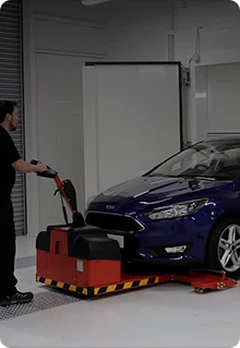

Hey there! As a supplier of car stacker lifts, I often get asked about the braking systems in these machines. So, I thought I'd take some time to break it down for you.
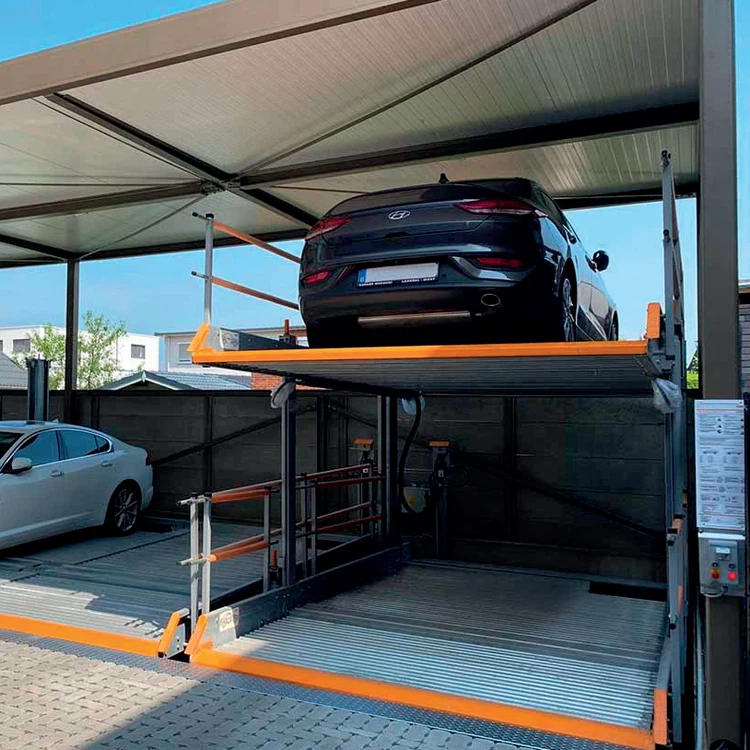
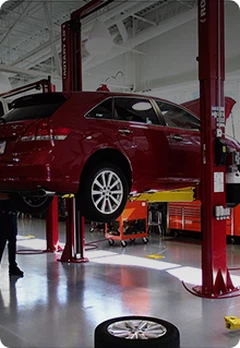
First off, let's understand what a car stacker lift is. It's a piece of equipment used in garages, car dealerships, and auto repair shops to lift vehicles off the ground. This allows mechanics to work on the underside of the car with ease. There are different types of car stacker lifts, like the DAXLIFTER 3.5T - 4.5T 2 Post Car Garage Car Lift, which is great for general car servicing, and the DAXLIFTER Portable Garage Car Service Lift for Home, perfect for home mechanics.
Now, onto the braking system. The braking system in a car stacker lift is crucial for safety. It's what keeps the lift in place when it's at a certain height, preventing the vehicle from falling unexpectedly. There are a few different types of braking systems commonly used in car stacker lifts.
One of the most common types is the mechanical braking system. This system uses physical components like gears, ratchets, and pawls to hold the lift in position. When the lift is raised to the desired height, the mechanical brake engages. The ratchet and pawl mechanism locks the gears, preventing them from turning back. This is a reliable and time - tested method. It's simple in design, which means it's less likely to break down. However, it does require regular maintenance. The gears and pawls need to be inspected for wear and tear, and lubricated to ensure smooth operation.
Another type is the hydraulic braking system. Hydraulic brakes use fluid pressure to create a braking force. In a car stacker lift, hydraulic cylinders are used to control the movement of the lift. When the lift reaches the desired height, a valve is closed, trapping the hydraulic fluid in the cylinders. This creates a pressure that holds the lift in place. Hydraulic braking systems are known for their smooth operation. They can provide a more precise control over the braking force compared to mechanical systems. But they do have some drawbacks. Hydraulic systems are more complex, and if there's a leak in the system, it can lead to a loss of braking power. So, regular checks for leaks and proper maintenance of the hydraulic components are essential.
There's also the electric braking system. Electric brakes use an electric current to activate the braking mechanism. In a car stacker lift, an electric motor can be used to engage a brake pad or a clamping device. Electric braking systems are fast - acting. They can engage the brake almost instantly when needed. They're also relatively easy to integrate with other electronic control systems in the lift. For example, they can be connected to sensors that detect if the lift is overloaded or if there's an abnormal movement. However, they rely on a stable power supply. If there's a power outage, the electric brake may fail, which is why many electric - braked lifts also have a backup mechanical or hydraulic braking system.
Let's talk about the importance of proper installation and maintenance of the braking system. A poorly installed braking system can lead to serious safety hazards. It's crucial that the lift is installed by trained professionals who understand the intricacies of the braking system. They need to ensure that all the components are properly aligned and tightened.
Maintenance is also key. Regular inspections should be carried out to check for any signs of wear, damage, or malfunction. For mechanical brakes, this may involve checking the condition of the gears and pawls. For hydraulic brakes, it means looking for leaks in the hoses and checking the fluid level. And for electric brakes, the electrical connections and the motor need to be inspected.
As a supplier, we offer a range of car stacker lifts with different braking systems. Our DAXLIFTER 3.5T Scissor Car Hoist comes with a reliable braking system that ensures the safety of your vehicle and your technicians. Whether you're a professional auto repair shop or a home mechanic, having a car stacker lift with a good braking system is essential.
If you're in the market for a car stacker lift, we're here to help. We can provide you with detailed information about the different braking systems and which one would be best suited for your needs. We understand that every customer has different requirements, and we're committed to finding the right solution for you.
When you're considering purchasing a car stacker lift, don't just focus on the price. Look at the quality of the braking system and the overall build of the lift. A high - quality lift with a reliable braking system may cost a bit more upfront, but it will save you money in the long run by reducing the risk of accidents and costly repairs.
We've been in the business of supplying car stacker lifts for years, and we've seen firsthand the importance of a good braking system. We've also seen what can happen when the braking system fails. That's why we only offer products that meet the highest safety standards.
So, if you're interested in learning more about our car stacker lifts and their braking systems, or if you're ready to make a purchase, don't hesitate to get in touch. We're here to answer all your questions and guide you through the purchasing process. Whether you need a small portable lift for your home garage or a heavy - duty lift for a commercial auto repair shop, we've got you covered.
In conclusion, the braking system in a car stacker lift is a vital component that ensures the safety of both the vehicle and the people working around it. Understanding the different types of braking systems and their pros and cons can help you make an informed decision when purchasing a car stacker lift. And remember, proper installation and maintenance are key to keeping the braking system in good working condition.
References:


- Automotive Lift Institute (ALI) Safety Standards
- Various technical manuals of car stacker lift manufacturers