




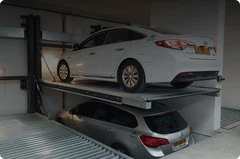

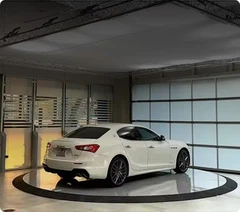
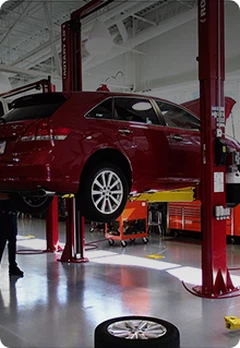
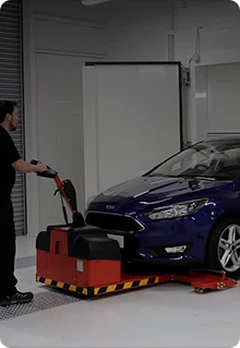

As a supplier of car stacker lifts, I've witnessed firsthand the significant impact that temperature can have on the performance of these essential pieces of equipment. In this blog post, I'll delve into the various ways temperature affects a car stacker lift and why it's crucial for operators to be aware of these factors.
Temperature and Hydraulic Systems
One of the most critical components of a car stacker lift is its hydraulic system. Hydraulic fluid plays a vital role in transferring power and enabling the lift to raise and lower vehicles. However, temperature can have a profound effect on the viscosity of the hydraulic fluid, which in turn impacts the performance of the lift.
At low temperatures, hydraulic fluid becomes thicker and more viscous. This increased viscosity can make it more difficult for the fluid to flow through the hydraulic system, resulting in slower operation and reduced efficiency. In extreme cases, the fluid may become so thick that it can cause the lift to malfunction or even fail to operate altogether.
Conversely, high temperatures can cause the hydraulic fluid to thin out and lose its viscosity. This can lead to leaks, reduced pressure, and decreased performance. Additionally, high temperatures can cause the seals and gaskets in the hydraulic system to deteriorate more quickly, increasing the risk of leaks and other problems.
To mitigate the effects of temperature on the hydraulic system, it's essential to use the correct type of hydraulic fluid for the operating conditions. Most car stacker lifts are designed to operate within a specific temperature range, and using the wrong type of fluid can lead to performance issues and premature wear. It's also important to regularly check the fluid level and condition and to replace the fluid as recommended by the manufacturer.
Temperature and Electrical Components
In addition to the hydraulic system, temperature can also affect the electrical components of a car stacker lift. Electrical systems are sensitive to temperature changes, and extreme temperatures can cause components to malfunction or fail.
At low temperatures, electrical components can become brittle and more prone to cracking or breaking. This can lead to electrical shorts, which can cause the lift to malfunction or even pose a safety hazard. Additionally, low temperatures can cause the battery to lose its charge more quickly, reducing the lift's operating time.
High temperatures can also have a negative impact on electrical components. Excessive heat can cause the insulation on wires to degrade, increasing the risk of electrical shorts. It can also cause the electronic components to overheat, leading to malfunctions or permanent damage.
To protect the electrical components of a car stacker lift from temperature extremes, it's important to ensure that the lift is installed in a well-ventilated area. This will help to prevent the build-up of heat and reduce the risk of overheating. It's also important to regularly inspect the electrical components for signs of damage or wear and to replace any faulty components as soon as possible.
Temperature and Structural Integrity
Temperature can also have an impact on the structural integrity of a car stacker lift. Extreme temperatures can cause the metal components of the lift to expand or contract, which can lead to stress and deformation.
At high temperatures, the metal components of the lift can expand, causing the lift to become misaligned or unstable. This can increase the risk of accidents and injuries. Additionally, high temperatures can cause the paint and coatings on the lift to fade or peel, reducing the lift's aesthetic appeal and potentially exposing the metal to corrosion.


At low temperatures, the metal components of the lift can contract, causing the lift to become stiff and difficult to operate. This can also increase the risk of stress fractures and other structural damage.
To ensure the structural integrity of a car stacker lift, it's important to follow the manufacturer's recommendations for installation and maintenance. This may include using the correct type of fasteners and ensuring that the lift is properly anchored to the floor. It's also important to regularly inspect the lift for signs of damage or wear and to address any issues as soon as possible.
Temperature and Lubrication
Proper lubrication is essential for the smooth operation of a car stacker lift. However, temperature can have a significant impact on the effectiveness of lubricants.
At low temperatures, lubricants can become thick and viscous, making it more difficult for them to flow and provide adequate lubrication. This can lead to increased friction and wear on the moving parts of the lift, reducing its lifespan and performance.
At high temperatures, lubricants can thin out and lose their viscosity, reducing their ability to provide adequate lubrication. This can also lead to increased friction and wear on the moving parts of the lift.
To ensure proper lubrication, it's important to use the correct type of lubricant for the operating conditions. Most car stacker lifts are designed to operate within a specific temperature range, and using the wrong type of lubricant can lead to performance issues and premature wear. It's also important to regularly check the lubricant level and condition and to replace the lubricant as recommended by the manufacturer.
Conclusion
In conclusion, temperature can have a significant impact on the performance of a car stacker lift. From the hydraulic system and electrical components to the structural integrity and lubrication, temperature can affect every aspect of the lift's operation. As a supplier of car stacker lifts, I recommend that operators take the necessary steps to protect their equipment from temperature extremes. This may include using the correct type of hydraulic fluid and lubricant, ensuring proper ventilation, and regularly inspecting and maintaining the lift.
If you're in the market for a car stacker lift, I invite you to explore our range of high-quality products. We offer a variety of lifts to suit different needs and budgets, including the DAXLIFTER 2 Post 3.5t - 5t Car Electric Hoist Lift, the DAXLIFTER 4T Scissor Type Vehicle Lift, and the DAXLIFTER 3.5T Scissor Car Hoist. Our lifts are designed to provide reliable performance and long-lasting durability, even in challenging operating conditions.
If you have any questions or would like to discuss your specific requirements, please don't hesitate to contact us. We're here to help you find the perfect car stacker lift for your needs.
References
- Manufacturer's manuals for car stacker lifts
- Industry standards and guidelines for hydraulic systems and electrical components
- Research studies on the effects of temperature on metal and lubricants


