


What is the Lifting Speed of a Parking Hoist?
As a seasoned supplier of parking hoists, I often encounter inquiries from customers regarding the lifting speed of these essential pieces of equipment. The lifting speed of a parking hoist is a crucial factor that significantly impacts its efficiency, usability, and overall performance in a parking facility. In this blog post, I will delve into the concept of the lifting speed of a parking hoist, explore the factors that influence it, and provide some insights into how to choose the right lifting speed for your specific needs.
Understanding the Lifting Speed of a Parking Hoist
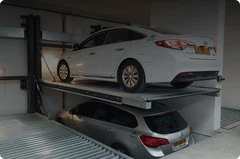
The lifting speed of a parking hoist refers to the rate at which the hoist can raise or lower a vehicle from one parking level to another. It is typically measured in meters per minute (m/min) or feet per minute (ft/min). A higher lifting speed means that the hoist can move vehicles more quickly, reducing the waiting time for users and increasing the overall throughput of the parking facility. However, it is important to note that the lifting speed is not the only factor that determines the efficiency of a parking hoist. Other factors, such as the loading and unloading time, the number of parking levels, and the layout of the parking facility, also play a significant role.
Factors Influencing the Lifting Speed of a Parking Hoist
Several factors can influence the lifting speed of a parking hoist. Here are some of the most important ones:
- Motor Power: The power of the motor used in the parking hoist is one of the primary factors that determine its lifting speed. A more powerful motor can generate more torque, allowing the hoist to lift heavier loads and move them more quickly. However, a more powerful motor also consumes more energy and may require a larger electrical supply.
- Hydraulic System: Many parking hoists use hydraulic systems to power the lifting mechanism. The design and performance of the hydraulic system can have a significant impact on the lifting speed of the hoist. A well-designed hydraulic system with a high flow rate and efficient valves can provide smooth and rapid lifting and lowering operations.
- Load Capacity: The load capacity of the parking hoist is another important factor that affects its lifting speed. A hoist with a higher load capacity will generally have a slower lifting speed than a hoist with a lower load capacity. This is because the hoist needs to generate more force to lift the heavier load, which requires more time and energy.
- Safety Features: Safety is always a top priority in the design and operation of parking hoists. Many hoists are equipped with safety features, such as overload protection, emergency stop buttons, and anti-drop devices, which can slow down the lifting speed to ensure the safety of the users and the vehicles.
- Maintenance and Servicing: Regular maintenance and servicing of the parking hoist are essential to ensure its optimal performance. A poorly maintained hoist may experience mechanical problems, such as leaks, worn-out parts, or faulty sensors, which can affect its lifting speed and reliability.
Choosing the Right Lifting Speed for Your Needs
When choosing a parking hoist, it is important to consider the specific needs and requirements of your parking facility. Here are some factors to consider when determining the appropriate lifting speed:
- Throughput Requirements: If your parking facility experiences a high volume of traffic, a hoist with a higher lifting speed may be necessary to ensure efficient operation. However, if the traffic volume is relatively low, a hoist with a slower lifting speed may be sufficient.
- Parking Space Layout: The layout of your parking facility can also influence the choice of lifting speed. If the parking levels are closely spaced, a hoist with a slower lifting speed may be more suitable to allow for accurate positioning of the vehicles. On the other hand, if the parking levels are widely spaced, a hoist with a higher lifting speed may be preferred to reduce the travel time between levels.
- Vehicle Types: The types of vehicles that will be parked in your facility can also affect the lifting speed requirements. Larger and heavier vehicles may require a hoist with a higher load capacity and a slower lifting speed to ensure safe and stable operation.
- Budget Constraints: The cost of the parking hoist is another important consideration. Hoists with higher lifting speeds and more advanced features generally come with a higher price tag. It is important to balance your performance requirements with your budget constraints to choose the most cost-effective solution.
Our Parking Hoist Products and Their Lifting Speeds
As a leading supplier of parking hoists, we offer a wide range of products to meet the diverse needs of our customers. Our hoists are designed and manufactured to the highest standards of quality and safety, and they come with a variety of features and options to ensure optimal performance. Here are some of our popular parking hoist products and their lifting speeds:

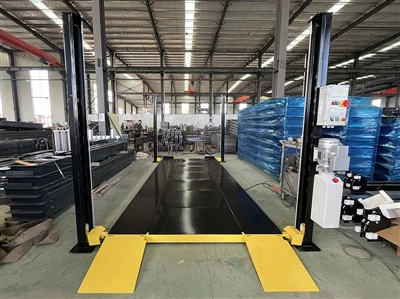
- DAXLIFTER Home 4 Post Auto Car Hoist Stacker Parking Lift with Custom Service: This hoist is designed for home use and can lift vehicles up to 4 tons. It has a lifting speed of up to 0.15 m/min, which is suitable for most residential parking applications.
- DAXLIFTER 4 Four Post Indoor Outdoor Commercial Vehicle Parking Lift: This hoist is ideal for commercial parking facilities and can lift vehicles up to 6 tons. It has a lifting speed of up to 0.2 m/min, which allows for efficient operation in high-traffic areas.
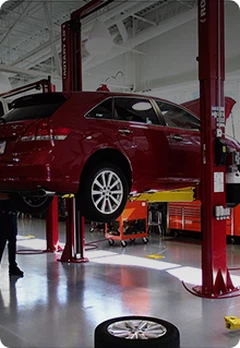
- Two Post Tiltable Parking Lift: This hoist is designed for use in tight spaces and can lift vehicles up to 3 tons. It has a lifting speed of up to 0.12 m/min and features a tiltable design that allows for easy access to the vehicle's underside.
Contact Us for More Information
If you are interested in learning more about our parking hoist products and their lifting speeds, or if you have any questions or concerns about choosing the right hoist for your needs, please do not hesitate to contact us. Our team of experienced professionals is available to provide you with expert advice and guidance, and we will work with you to find the perfect solution for your parking facility.