




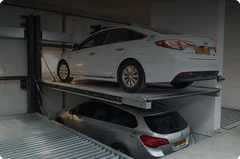


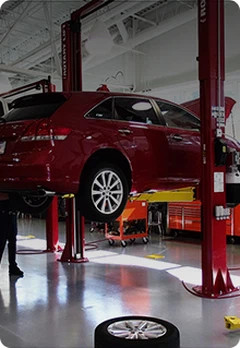


As a garage lift supplier, I've had the privilege of delving deep into the intricacies of load distribution on garage lifts. Understanding how the weight of a vehicle is distributed on a lift is crucial for ensuring safety, efficiency, and the longevity of both the lift and the vehicles it supports.
The Basics of Load Distribution
Load distribution refers to how the weight of a vehicle is spread across the lifting points of a garage lift. When a vehicle is placed on a lift, its weight is not evenly distributed. Different parts of the vehicle, such as the engine, transmission, and passengers, contribute to varying weights at different locations. For example, in a front - wheel - drive car, a significant portion of the weight is concentrated at the front due to the engine and transmission.
The proper load distribution on a garage lift ensures that the lift operates within its designed capacity. If the load is not distributed correctly, it can lead to uneven stress on the lift components, which may cause premature wear and tear, and in extreme cases, even lift failure.
Factors Affecting Load Distribution
Vehicle Type
Different types of vehicles have distinct weight distributions. Sedans, SUVs, trucks, and sports cars all have unique weight characteristics. Sedans typically have a more balanced weight distribution between the front and rear axles. SUVs, on the other hand, often have a higher center of gravity and more weight towards the rear, especially when carrying passengers or cargo. Trucks usually carry a large amount of weight in the bed, which can significantly affect the load distribution on the lift.
Vehicle Configuration
The configuration of a vehicle, such as whether it is a two - door or four - door model, can also impact load distribution. Four - door vehicles may have a more evenly distributed weight due to the additional doors and the space for passengers in the rear. Additionally, vehicles with aftermarket modifications, such as heavy - duty bumpers or roof racks, can change the weight distribution and need to be considered when using a garage lift.
Lift Type
There are various types of garage lifts, each with its own load - distribution characteristics.
- Scissor Lifts: Scissor lifts, like the DAXLIFTER 4T Scissor Type Vehicle Lift, provide a relatively even distribution of the vehicle's weight across the lifting platform. The scissor mechanism spreads the load over a larger area, reducing the stress on individual components. However, it is still important to position the vehicle correctly on the lift to ensure optimal load distribution.
- Two - Post Lifts: Two - post lifts, such as the DAXLIFTER 2 Post 3.5t - 5t Car Electric Hoist Lift, rely on two columns to support the vehicle. The load is concentrated at the lifting points on the vehicle's frame. Proper alignment of the lift arms with the designated lifting points is crucial to ensure that the weight is evenly distributed between the two columns.
- Pit Scissor Lifts: Pit scissor lifts, like the DAXLIFTER 3.5T Pit Scissor Type Car Stacker Lift, are installed in a pit in the floor. They offer a stable base for lifting vehicles and can handle heavy loads. The load distribution on a pit scissor lift is similar to that of a regular scissor lift, but the pit installation provides additional stability.
- Mid - Rise Scissor Lifts: Mid - rise scissor lifts, such as the DAXLIFTER 3T Mid Rise Scissor Car Lift, are designed to lift vehicles to a medium height. They are often used for quick maintenance tasks. The load distribution on a mid - rise scissor lift is also relatively even, but the shorter lifting height may require different positioning of the vehicle compared to a full - height lift.
- Pneumatic Scissor Car Jacks: Pneumatic scissor car jacks, like the Pneumatic Scissor Car Jack, are smaller and more portable. They are typically used for emergency situations or light maintenance. When using a pneumatic scissor car jack, it is essential to place it in the correct location under the vehicle to ensure proper load distribution.
Importance of Proper Load Distribution
Safety
Safety is the primary concern when it comes to load distribution on a garage lift. Improper load distribution can cause the lift to become unstable, leading to a potential collapse. This can not only damage the vehicle but also pose a serious risk to the safety of the personnel working on the lift. For example, if a vehicle is lifted with too much weight on one side of a two - post lift, the lift may tip over, endangering the lives of those in the vicinity.
Lift Longevity
Proper load distribution helps to extend the lifespan of the garage lift. When the load is evenly distributed, the stress on the lift components is minimized. This reduces the wear and tear on the hydraulic cylinders, cables, and other parts of the lift, resulting in fewer breakdowns and lower maintenance costs. For instance, if a scissor lift is consistently overloaded on one side, the scissor arms may bend or break over time, requiring costly repairs.
Vehicle Integrity
Correct load distribution also protects the integrity of the vehicle being lifted. Uneven load distribution can cause damage to the vehicle's frame, suspension, or other components. For example, if a vehicle is lifted at an incorrect angle, it can put stress on the suspension system, leading to premature wear and potential alignment issues.
How to Ensure Proper Load Distribution
Read the Vehicle Manual
The first step in ensuring proper load distribution is to read the vehicle's manual. The manual will provide information on the recommended lifting points and the weight distribution of the vehicle. This information is essential for positioning the lift correctly.
Position the Vehicle Correctly
When placing the vehicle on the lift, it should be centered and aligned with the lift's lifting points. For two - post lifts, the lift arms should be adjusted to fit the designated lifting points on the vehicle's frame. For scissor lifts, the vehicle should be positioned so that its weight is evenly spread across the lifting platform.
Use Load - Balancing Devices
In some cases, load - balancing devices can be used to ensure proper load distribution. These devices can help to evenly distribute the weight of the vehicle across the lift. For example, some two - post lifts come with adjustable arms that can be used to balance the load.
Regular Maintenance and Inspections
Regular maintenance and inspections of the garage lift are crucial for ensuring proper load distribution. The lift should be inspected for any signs of wear and tear, and the hydraulic system should be checked for leaks. Additionally, the lift's calibration should be verified regularly to ensure that it is operating within its designed capacity.
Conclusion
Understanding the load distribution on a garage lift is essential for anyone involved in vehicle maintenance or repair. As a garage lift supplier, I am committed to providing high - quality lifts that are designed to handle the diverse load - distribution requirements of different vehicles. By ensuring proper load distribution, we can enhance safety, extend the lifespan of the lift, and protect the integrity of the vehicles being lifted.


If you are in the market for a garage lift or have any questions about load distribution, please feel free to contact us for a detailed discussion and to explore our range of products. We are here to help you make the right choice for your garage.
References
- Automotive Lift Institute (ALI) standards on load distribution.
- Vehicle manufacturers' manuals for weight distribution information.


