






Let's talk about what makes a rotating stage tick. As a rotating stage supplier, I've seen firsthand how these nifty devices can transform a space, whether it's for a fancy event or a practical parking solution. So, what exactly is the power source for a rotating stage?
Electricity: The Most Common Choice
By far, electricity is the go - to power source for most rotating stages. It's reliable, efficient, and relatively easy to set up. When you power a rotating stage with electricity, you're essentially using an electric motor. These motors come in different sizes and types, depending on the stage's requirements.
For smaller, lighter rotating stages, a simple AC or DC motor might do the trick. AC motors are great because they can run directly off the mains power supply. They're also known for their durability and low maintenance. DC motors, on the other hand, are often used when you need more precise control over the rotation speed. They're commonly found in stages used for things like product displays, where you might want the stage to rotate at a very slow, steady pace.
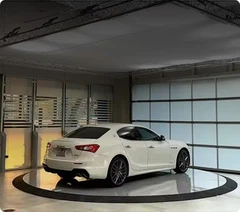
For larger, industrial - grade rotating stages, like those used in automotive showrooms or large - scale event venues, more powerful electric motors are required. These motors can handle the heavy load of multiple cars or large equipment on the stage. They're often connected to a control system that allows you to adjust the rotation speed, direction, and even program specific rotation patterns.
If you're interested in a high - quality rotating stage, check out our DAXLIFTER Customized Car Vehicle Rotary Rotating Stage Platform. It's designed to be powered by electricity and offers smooth, reliable rotation for your vehicles.
Hydraulics: Power and Precision
Hydraulic systems are another popular power source for rotating stages. Hydraulic power works by using a fluid, usually oil, to transfer force from one point to another. In a rotating stage, a hydraulic pump pressurizes the fluid, which then moves actuators or cylinders to make the stage rotate.
The main advantage of hydraulic power is its ability to generate a large amount of force. This makes it ideal for heavy - duty applications, such as large - scale rotating platforms used in industrial settings or for very large vehicles. Hydraulic systems can also provide very precise control over the rotation. You can easily adjust the speed and direction of the stage by controlling the flow of the hydraulic fluid.
However, hydraulic systems do have some drawbacks. They're more complex and expensive to install and maintain compared to electric systems. There's also a risk of fluid leaks, which can be a mess and potentially damage the stage or other equipment.
Pneumatic Power: Light and Quick
Pneumatic power uses compressed air to drive the movement of the rotating stage. Like hydraulic systems, pneumatic systems rely on pressure to generate force. Compressed air is stored in a tank and then released through valves to move pistons or other mechanical components that make the stage rotate.
Pneumatic - powered rotating stages are often used in smaller, less - heavy applications. They're lightweight, have a quick response time, and are relatively inexpensive. They're also clean and don't pose the risk of fluid leaks like hydraulic systems.
But, pneumatic systems have their limitations. They generally can't generate as much force as hydraulic or large - scale electric systems, so they're not suitable for very heavy loads. Additionally, they require a reliable source of compressed air, which might need additional equipment like an air compressor.
Choosing the Right Power Source
When it comes to choosing the power source for a rotating stage, several factors come into play. The first is the size and weight of the load. A small product display stage can get away with a simple electric motor, while a stage designed to hold multiple cars will likely need a more powerful system, such as a hydraulic one.
The application also matters. If you need precise control, like in a museum display where you want to showcase a precious artifact at a slow, steady rotation, an electric or hydraulic system might be better. For a more fast - paced event where quick rotations are needed, a pneumatic system could be a good choice.
Cost is another important consideration. Electric systems are usually the most cost - effective in terms of installation and maintenance, especially for smaller stages. Hydraulic systems are more expensive upfront and need more regular maintenance, but they offer the power needed for heavy - duty applications.
Our Offerings
As a rotating stage supplier, we understand the importance of choosing the right power source. That's why we offer a wide range of rotating stages, each designed to be compatible with different power options. Whether you need a small, electric - powered stage for a store display or a large, hydraulic - powered platform for an automotive showroom, we've got you covered.
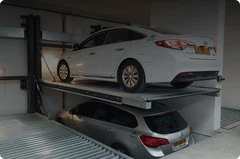
If you're also in the market for a car lift, take a look at our Floor To Floor Car Lift Platform. It's a great addition to any car storage or showcase facility, and it can work hand - in - hand with our rotating stages.


Let's Talk
If you're considering purchasing a rotating stage, or if you have any questions about the power sources or how they work, don't hesitate to reach out. We're here to help you make the best decision for your needs. Whether it's for a business, an event, or a personal project, we've got the expertise and the products to get the job done.
We can provide you with all the details you need, from technical specifications to pricing. Let's get your rotating stage up and running with the perfect power source!
References
- Machinery's Handbook, 30th Edition. This comprehensive reference book covers all aspects of mechanical engineering, including information on electric motors, hydraulic systems, and pneumatic systems.
- Engineering Encyclopedia. Online resource with articles on various engineering topics, including the principles behind power sources for rotating equipment.


