






Hey there! As a supplier of pit parking solutions, I often get asked if it's possible to retrofit a pit parking solution into an existing parking area. Well, the short answer is yes, but there are a bunch of things to consider. In this blog, I'll break down the whole deal, from the feasibility to the benefits and challenges.
Feasibility of Retrofitting Pit Parking Solutions
First off, let's talk about whether it's even doable. The feasibility of retrofitting a pit parking solution into an existing parking area depends on several factors. One of the most important ones is the structural integrity of the existing parking area. You need to make sure that the ground can support the additional weight and stress that comes with a pit parking system. A structural engineer should be brought in to assess the situation. They'll check things like the soil type, the foundation of the building (if it's an attached parking area), and the overall load - bearing capacity.
Another key factor is the available space. Pit parking solutions require a certain amount of space, both horizontally and vertically. Horizontally, you need enough room for the lift mechanism and the cars to be parked. Vertically, there must be sufficient clearance above and below the pit to accommodate the cars when they're being lifted or lowered. If the existing parking area is too cramped, it might not be suitable for a retrofit.
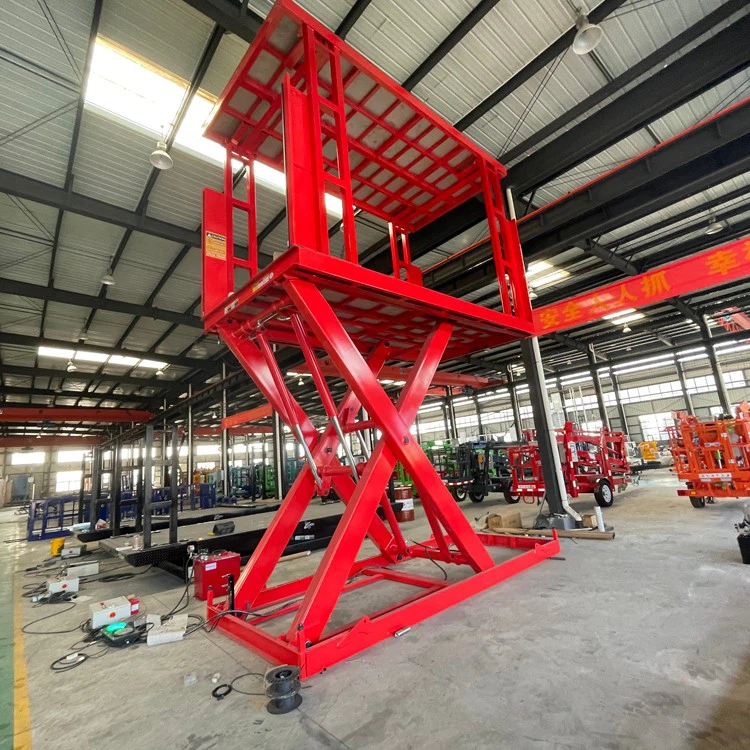
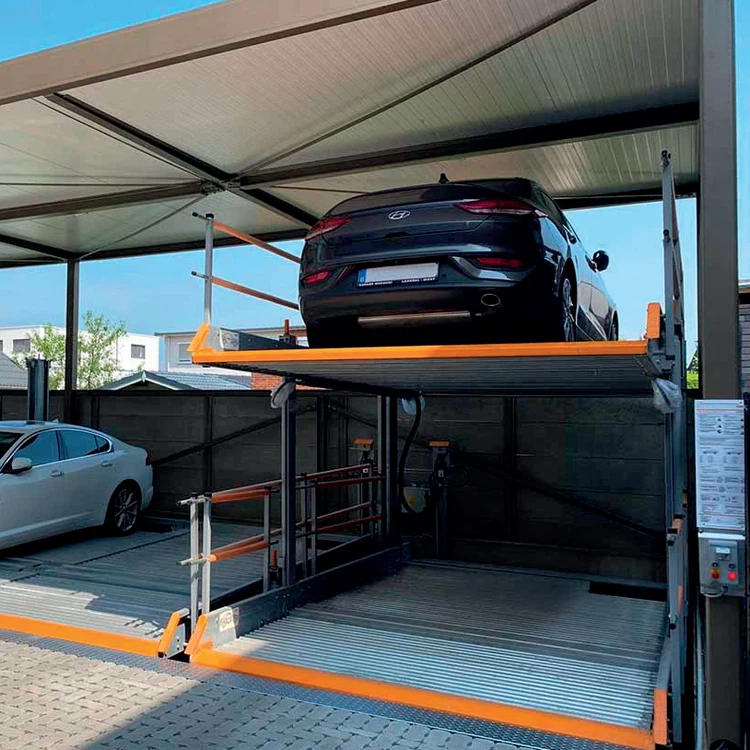
The layout of the existing parking area also matters. Is it a simple, open - plan area, or is it full of columns, ramps, and other obstacles? A more straightforward layout will be easier to retrofit. For example, if there are a lot of columns in the way, it could be difficult to install the pit and the lift system without major modifications.
Types of Pit Parking Solutions for Retrofit
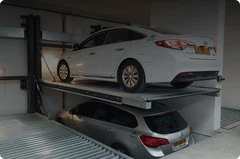
We offer a couple of great pit parking solutions that can be considered for retrofitting. One of them is the DAXLIFTER 2 Post Pit Parking Lift. This lift is a great option for existing parking areas because it's relatively compact and can be installed in a variety of spaces. It uses a two - post design, which provides a stable and efficient way to lift cars. The 2 - post design also allows for easy access to the cars, both when they're being parked and retrieved.
Another option is the DAXLIFTER Customized Underground Garage Double Scissor Parking Lift. This lift is ideal for maximizing the parking capacity in an existing area. It uses a double - scissor mechanism to lift two cars at once, effectively doubling the number of parking spaces in a given area. It can be customized to fit the specific dimensions and requirements of the existing parking area, making it a very versatile solution.
Benefits of Retrofitting Pit Parking Solutions
There are several benefits to retrofitting a pit parking solution into an existing parking area. One of the biggest advantages is the increased parking capacity. In many urban areas, parking is at a premium, and finding additional space for cars can be a real challenge. By installing a pit parking system, you can effectively double or even triple the number of parking spaces in an existing area. This is great for businesses, apartment complexes, and public parking facilities that are struggling to meet the demand for parking.
Another benefit is the improved organization and efficiency of the parking area. Pit parking solutions are designed to be more organized than traditional parking layouts. Cars are parked in a more orderly fashion, and the process of parking and retrieving cars is faster and more streamlined. This can reduce traffic congestion within the parking area and make the overall experience more pleasant for users.
Pit parking solutions also offer better security. Since the cars are stored underground or in a more enclosed space, they are less vulnerable to theft and vandalism. This can give car owners peace of mind knowing that their vehicles are safer.
Challenges of Retrofitting Pit Parking Solutions
Of course, there are also some challenges associated with retrofitting pit parking solutions. One of the main challenges is the cost. Retrofitting a pit parking system can be expensive, as it involves not only the cost of the equipment but also the cost of installation, which may include structural modifications to the existing parking area. There may also be additional costs for obtaining the necessary permits and approvals from local authorities.
Another challenge is the disruption to the existing parking area during the installation process. Depending on the complexity of the retrofit, the parking area may need to be closed for a significant period of time. This can be a major inconvenience for users, especially if it's a high - traffic parking area.
There are also regulatory and safety considerations. Local building codes and regulations may have specific requirements for pit parking systems, such as fire safety, ventilation, and emergency exits. Ensuring compliance with these regulations can be a time - consuming and complex process.
Steps in the Retrofitting Process
If you've decided that retrofitting a pit parking solution is the right choice for your existing parking area, here are the general steps in the process.
First, conduct a detailed site assessment. This involves hiring a structural engineer and other relevant professionals to evaluate the existing parking area. They'll look at the factors I mentioned earlier, such as the structural integrity, available space, and layout. Based on this assessment, they'll determine whether the area is suitable for a pit parking retrofit and what type of system would work best.
Next, select the appropriate pit parking solution. As I mentioned, we offer the DAXLIFTER 2 Post Pit Parking Lift and the DAXLIFTER Customized Underground Garage Double Scissor Parking Lift. Work with our team to choose the system that meets your specific needs and the requirements of the existing parking area.
Once the system is selected, obtain the necessary permits and approvals. This may involve submitting detailed plans and specifications to the local building department and other relevant authorities. Make sure to allow enough time for this process, as it can sometimes take several weeks or even months.
After getting the approvals, it's time for installation. This is a complex process that should be carried out by experienced professionals. They'll dig the pit, install the lift mechanism, and make any necessary structural modifications to the existing parking area. During the installation, it's important to follow all safety procedures and ensure that the work is done to the highest standards.
Finally, conduct thorough testing and commissioning. Before the pit parking system is opened for use, it needs to be tested to make sure that it's working properly. This includes testing the lift mechanism, the safety features, and the overall functionality of the system.
Conclusion
So, can a pit parking solution be retrofitted into an existing parking area? Absolutely! While there are challenges, the benefits of increased parking capacity, improved organization, and better security make it a viable option for many. If you're interested in exploring a pit parking retrofit for your existing parking area, don't hesitate to get in touch with us. We're here to help you every step of the way, from the initial assessment to the final installation. Let's work together to make your parking area more efficient and functional.
References
- Parking Lot Design and Management Handbook
- Building Codes and Regulations for Parking Structures


