







Hey everyone! I'm a supplier of rotating stages, and I know that energy efficiency is a hot topic these days. Not only does it save you money in the long run, but it's also better for the environment. So, I thought I'd share some tips on how to improve the energy efficiency of a rotating stage.
1. Choose the Right Motor
The motor is the heart of your rotating stage, and choosing the right one can make a huge difference in energy consumption. When selecting a motor, look for one that is high-efficiency. Brushless DC motors, for example, are more energy-efficient than traditional brushed motors. They have fewer moving parts, which means less friction and less energy loss.
Also, consider the motor's size and power rating. A motor that is too large for your rotating stage will consume more energy than necessary. On the other hand, a motor that is too small may not be able to handle the load, which can lead to overheating and increased energy consumption. You can consult with an expert or refer to the manufacturer's guidelines to determine the appropriate motor size for your specific rotating stage.
2. Optimize the Control System
The control system of your rotating stage plays a crucial role in energy efficiency. A well-designed control system can ensure that the motor operates at the optimal speed and torque for the task at hand. Look for a control system that offers variable speed control. This allows you to adjust the speed of the rotating stage according to the application, rather than running it at a constant high speed all the time.
For instance, if you're using the rotating stage for a slow and precise positioning task, you can set the motor to run at a lower speed. This not only saves energy but also reduces wear and tear on the motor and other components. Some advanced control systems also feature energy-saving algorithms that can automatically adjust the motor's operation based on the load and other factors.
3. Reduce Friction and Resistance
Friction and resistance are major culprits when it comes to energy loss in a rotating stage. To improve energy efficiency, you need to minimize these factors as much as possible. Start by ensuring that all moving parts are properly lubricated. Use a high-quality lubricant that is specifically designed for the type of bearings and gears in your rotating stage.
Regular maintenance is also essential. Check for any signs of wear and tear on the components, such as bearings and belts, and replace them if necessary. Adjust the tension of the belts to the correct level to reduce slippage and improve the transfer of power. Additionally, make sure that the rotating stage is properly aligned. Misalignment can cause increased friction and resistance, which can lead to higher energy consumption.
4. Use Energy-Efficient Materials
The materials used in the construction of your rotating stage can also have an impact on energy efficiency. Lightweight materials can reduce the overall mass of the rotating stage, which means that the motor doesn't have to work as hard to move it. This can result in significant energy savings.
For example, instead of using heavy steel for the frame, consider using aluminum or composite materials. These materials are not only lighter but also have good strength and stiffness properties. In addition, use low-friction bearings and other components to further reduce energy loss due to friction.
5. Implement Energy Recovery Systems
Some rotating stages can benefit from energy recovery systems. These systems capture the energy that is normally wasted during the operation of the rotating stage and reuse it. For example, when the rotating stage decelerates, the kinetic energy can be converted into electrical energy and stored in a battery or capacitor. This stored energy can then be used to power the rotating stage or other equipment later.
While energy recovery systems may require an initial investment, they can pay off in the long run by reducing overall energy consumption and lowering operating costs.
6. Proper Sizing and Installation
It's important to ensure that your rotating stage is properly sized for the application. A rotating stage that is too large for the job will consume more energy than needed, while a stage that is too small may not be able to perform the required tasks efficiently. Work with a professional to determine the appropriate size and specifications for your specific needs.


In addition, proper installation is crucial. Make sure that the rotating stage is installed on a stable surface and that all the connections are secure. A poorly installed rotating stage can cause vibrations and misalignment, which can increase energy consumption.
7. Consider the Environment
The environment in which the rotating stage operates can also affect its energy efficiency. For example, if the temperature is too high or too low, the motor may have to work harder to maintain the desired performance. Try to keep the operating environment within the recommended temperature and humidity range specified by the manufacturer.
If possible, install the rotating stage in an area with good ventilation to prevent the build-up of heat. This can help to keep the motor and other components cool, which can improve their efficiency and lifespan.
Conclusion
Improving the energy efficiency of a rotating stage is not only good for your wallet but also for the planet. By following these tips, you can reduce the energy consumption of your rotating stage and make it more sustainable.
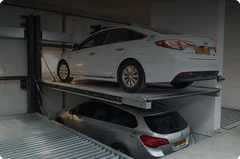
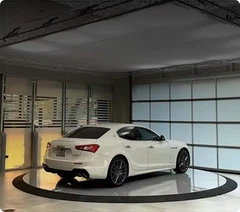
If you're in the market for a high-quality and energy-efficient rotating stage, check out our DAXLIFTER Customized Car Vehicle Rotary Rotating Stage Platform. It's designed with the latest energy-saving technologies to help you save on energy costs. And if you're also looking for a floor-to-floor car lift platform, we've got you covered with our Floor To Floor Car Lift Platform.
If you have any questions or are interested in purchasing a rotating stage, don't hesitate to get in touch. We're here to help you find the best solution for your needs.
References
- Various industry reports on motor efficiency and rotating stage design.
- Manufacturer's guidelines for rotating stage motors and control systems.


