






Hey there, folks! As a car elevator supplier, I'm here to walk you through the process of installing a car elevator in a residential community. It's not as complicated as it might seem, but there are definitely some key steps and considerations to keep in mind.
1. Initial Assessment
First things first, we need to do a thorough assessment of the residential community. This includes looking at the available space, the layout of the buildings, and the traffic flow. We need to figure out where the elevator can be installed without causing any disruptions to the existing infrastructure. For example, we need to make sure there's enough room for the elevator shaft, and that it won't interfere with any pipes, electrical lines, or other utilities.
We also need to consider the number of cars that will be using the elevator. If it's a small community with only a few cars, a smaller elevator might be sufficient. But if it's a large community with a high volume of traffic, we'll need to install a larger, more robust elevator.
2. Choosing the Right Elevator
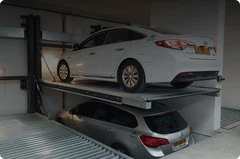
Once we've done the assessment, it's time to choose the right elevator for the job. There are several types of car elevators available, each with its own features and benefits.
One popular option is the Floor To Floor Car Lift Platform. This type of elevator is great for moving cars between different floors in a building. It's relatively easy to install and can handle a wide range of car sizes.
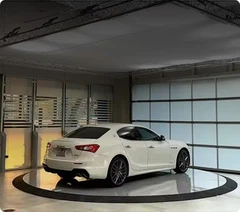
Another option is the DAXLIFTER Customized Car Vehicle Rotary Rotating Stage Platform. This elevator is designed to rotate cars, which can be really useful in tight parking spaces. It allows cars to be parked more efficiently and can save a lot of space in a residential community.
When choosing an elevator, we also need to consider the budget. Different elevators have different price points, so it's important to find one that fits the community's financial situation.
3. Obtaining Permits
Before we can start installing the elevator, we need to obtain the necessary permits from the local authorities. This process can take some time, so it's important to start early. We'll need to submit detailed plans and specifications for the elevator, as well as information about the installation process.
The local authorities will review the plans to make sure they meet all the safety and building codes. They might also require us to provide additional information or make some modifications to the plans. Once we've obtained the permits, we can move on to the next step.
4. Installation Process
The installation process is a critical part of the project. It requires a team of experienced professionals who are familiar with the installation of car elevators.
First, we'll start by preparing the site. This includes excavating the area for the elevator shaft and installing the necessary support structures. We'll also need to connect the elevator to the building's electrical and plumbing systems.
Once the site is prepared, we'll start installing the elevator components. This includes the elevator car, the hoistway, and the control system. We'll need to make sure everything is installed correctly and that all the connections are secure.
During the installation process, we'll also need to conduct regular inspections to ensure that the elevator is being installed according to the plans and specifications. This will help us catch any potential problems early on and make any necessary adjustments.
5. Testing and Commissioning
After the elevator is installed, we'll need to conduct a series of tests to make sure it's working properly. This includes testing the elevator's speed, acceleration, and braking systems. We'll also need to test the safety features, such as the emergency stop button and the door interlocks.
Once the tests are completed and the elevator passes all the safety checks, we'll commission the elevator. This means that it's ready to be used by the residents of the community.


6. Maintenance and Support
Installing a car elevator is just the first step. We also need to provide ongoing maintenance and support to ensure that the elevator continues to operate safely and efficiently.
We'll need to schedule regular maintenance checks to inspect the elevator components and make any necessary repairs or replacements. We'll also provide training to the residents on how to use the elevator safely.
In addition, we'll offer 24/7 support in case of any emergencies. If there's a problem with the elevator, our team will be available to respond quickly and resolve the issue.
Conclusion
Installing a car elevator in a residential community can be a great investment. It can improve the convenience and safety of the community, as well as increase the value of the properties. If you're interested in installing a car elevator in your residential community, don't hesitate to contact us. We're here to help you every step of the way. Whether you need more information about our products or want to discuss the installation process, we're just a call or an email away. Let's work together to make your residential community a better place to live.
References
- Industry standards and guidelines for car elevator installation
- Local building codes and regulations
- Manufacturer's specifications and installation manuals


