




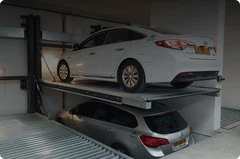

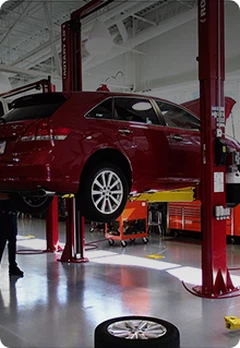

Hey there, car enthusiasts and garage owners! As a supplier of car elevators, I've seen my fair share of issues with these nifty machines. Car elevators are super handy for saving space and making your garage more efficient, but like any piece of equipment, they can run into problems. In this blog, I'll walk you through how to troubleshoot a car elevator, so you can keep it running smoothly.
Common Issues and How to Spot Them
Let's start by talking about some of the most common problems you might encounter with a car elevator.
1. Electrical Problems
- No power: If your elevator won't turn on, the first thing to check is the power supply. Make sure the elevator is plugged in properly and that the circuit breaker hasn't tripped. Sometimes, a simple power outage or a loose connection can be the culprit.
- Faulty sensors: Car elevators rely on sensors to detect the position of the platform and ensure safe operation. If the sensors are malfunctioning, the elevator might not move correctly or could stop unexpectedly. Look for any visible signs of damage to the sensors, such as loose wires or cracked casings.
2. Hydraulic Issues
- Leaking fluid: Hydraulic systems use fluid to power the elevator's movement. If you notice any puddles of fluid under the elevator or around the hydraulic cylinders, it's a sign of a leak. Leaks can reduce the hydraulic pressure and cause the elevator to operate slowly or not at all.
- Low fluid level: Check the hydraulic fluid reservoir regularly to make sure it's filled to the appropriate level. Low fluid levels can also lead to poor performance and potential damage to the hydraulic system.
3. Mechanical Problems
- Jammed or misaligned parts: Over time, the mechanical components of the elevator, such as the chains, pulleys, and guide rails, can become worn or misaligned. This can cause the elevator to make strange noises, move unevenly, or get stuck. Inspect these parts for any signs of damage or wear, and make sure they're properly lubricated.
- Loose bolts and nuts: Vibration from the elevator's operation can cause bolts and nuts to loosen over time. Check all the fasteners regularly and tighten them as needed to prevent further issues.
Step-by-Step Troubleshooting Guide
Now that we've covered the common problems, let's go through a step-by-step troubleshooting guide.
Step 1: Safety First
Before you start any troubleshooting, make sure the elevator is completely stopped and secured. Turn off the power supply and set any safety brakes or locks to prevent the platform from moving accidentally. This will protect you from any potential injuries.
Step 2: Check the Basics
- Power supply: As mentioned earlier, check that the elevator is plugged in and that the circuit breaker is on. If there's a power outage in your area, wait for the power to come back on before proceeding.
- Emergency stop button: Make sure the emergency stop button hasn't been pressed. If it has, simply release it to reset the elevator.
Step 3: Inspect the Sensors
- Clean the sensors: Dirt and debris can sometimes interfere with the sensors' operation. Use a clean, dry cloth to wipe the sensors gently and remove any dirt or dust.
- Check the connections: Ensure that all the sensor connections are secure. If you find any loose wires, carefully reconnect them.
Step 4: Examine the Hydraulic System
- Look for leaks: Inspect the hydraulic cylinders, hoses, and fittings for any signs of leakage. If you find a leak, mark the location and contact a professional technician to repair it.
- Check the fluid level: Open the hydraulic fluid reservoir and check the fluid level. If it's low, add the appropriate type of hydraulic fluid to bring it up to the recommended level.
Step 5: Check the Mechanical Components
- Inspect the chains and pulleys: Look for any signs of wear or damage, such as frayed chains or worn pulleys. If you notice any issues, replace the damaged parts as soon as possible.
- Verify the alignment: Check that the platform is properly aligned with the guide rails. If it's misaligned, adjust the guide rails or the platform according to the manufacturer's instructions.
When to Call a Professional
While some car elevator issues can be resolved with basic troubleshooting, there are times when it's best to call in a professional. Here are some situations where you should seek professional help:
- Complex electrical problems: If you're not familiar with electrical systems, it's dangerous to try and repair them yourself. A professional electrician can diagnose and fix any electrical issues safely.
- Hydraulic system repairs: Hydraulic systems are under high pressure and require specialized tools and knowledge to repair. A professional technician can handle hydraulic repairs without risking injury or further damage.
- Major mechanical problems: If you suspect that there's a serious mechanical issue, such as a broken chain or a damaged gearbox, it's best to leave the repairs to a professional. They have the expertise and equipment to fix the problem correctly.
Our Car Elevator Products
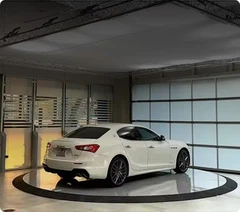
At our company, we offer a wide range of high-quality car elevators to meet your needs. Whether you're looking for a Floor To Floor Car Lift Platform or a DAXLIFTER Customized Car Vehicle Rotary Rotating Stage Platform, we've got you covered. Our products are designed with the latest technology and built to last, ensuring reliable performance and long service life.
Contact Us for Procurement
If you're interested in purchasing a car elevator or have any questions about our products, don't hesitate to contact us. We're here to help you find the perfect solution for your garage or automotive facility. Our team of experts can provide you with detailed information, customized quotes, and professional advice to ensure you make the right choice.


References
- Car Elevator Maintenance Manuals
- Automotive Garage Equipment Industry Standards
I hope this blog has been helpful in guiding you through the process of troubleshooting a car elevator. Remember, proper maintenance and timely troubleshooting can keep your car elevator in top condition for years to come. If you have any more questions or need further assistance, feel free to reach out.


