


As a seasoned supplier of car lift platforms, I've witnessed firsthand the array of mistakes that users often make when operating these essential pieces of equipment. Car lift platforms are invaluable tools in automotive repair shops, parking facilities, and various other settings, but improper use can lead to safety hazards, equipment damage, and inefficiencies. In this blog post, I'll delve into some of the most common mistakes made when using a car lift platform and offer insights on how to avoid them.
1. Overloading the Lift
One of the most prevalent mistakes is overloading the car lift platform. Each lift has a specified weight capacity, which is determined by its design, construction, and the materials used. Exceeding this capacity can put excessive stress on the lift's components, leading to premature wear and tear, structural damage, and even catastrophic failure.
For example, if a lift is rated for a maximum capacity of 5 tons and a vehicle weighing 6 tons is placed on it, the lift's hydraulic system, cables, and support structures will be subjected to forces beyond their intended limits. This can cause hydraulic leaks, cable breakage, and the collapse of the lift platform, endangering the lives of anyone in the vicinity.
To avoid overloading the lift, always check the vehicle's weight before using the lift and ensure that it falls within the lift's rated capacity. If you're unsure of the vehicle's weight, consult the manufacturer's specifications or use a vehicle scale. Additionally, be aware of any additional weight that may be added to the vehicle, such as tools, equipment, or passengers.
2. Incorrect Installation
Proper installation is crucial for the safe and efficient operation of a car lift platform. Incorrect installation can lead to a variety of problems, including instability, uneven lifting, and premature wear of the lift's components.
One common installation mistake is failing to level the lift properly. A lift that is not level can cause the vehicle to tilt during lifting, which can lead to instability and potential accidents. To ensure proper leveling, use a spirit level to check the lift's base and adjust the leveling feet as needed.
Another installation mistake is using the wrong type of foundation or mounting hardware. Car lift platforms require a solid, level foundation that can support the weight of the lift and the vehicle. Using an inadequate foundation or improper mounting hardware can cause the lift to shift or move during operation, which can lead to safety hazards.
To avoid installation mistakes, always follow the manufacturer's installation instructions carefully. If you're unsure about any aspect of the installation process, consult a professional installer or the lift manufacturer's technical support team.


3. Lack of Maintenance
Regular maintenance is essential for the safe and reliable operation of a car lift platform. Neglecting maintenance can lead to a variety of problems, including hydraulic leaks, worn cables, and malfunctioning safety features.
One of the most important maintenance tasks is checking the lift's hydraulic fluid level regularly. Hydraulic fluid is essential for the proper operation of the lift's hydraulic system, and low fluid levels can cause the system to malfunction. To check the fluid level, refer to the lift's owner's manual and use the appropriate dipstick or sight glass.
Another important maintenance task is inspecting the lift's cables, chains, and other moving parts for wear and damage. Over time, these components can become worn or damaged, which can lead to safety hazards. To inspect the cables and chains, look for signs of fraying, cracking, or stretching. If you notice any damage, replace the affected components immediately.
In addition to regular maintenance tasks, it's also important to have the lift inspected and serviced by a qualified technician on a regular basis. A professional technician can perform a comprehensive inspection of the lift's components, identify any potential problems, and make the necessary repairs or adjustments.
4. Improper Use of Safety Features
Car lift platforms are equipped with a variety of safety features, such as locking mechanisms, safety latches, and emergency stop buttons. These features are designed to protect the user and the vehicle from accidents and injuries. However, many users fail to use these safety features properly, which can lead to serious consequences.
One common mistake is failing to engage the lift's locking mechanism after lifting the vehicle. The locking mechanism is designed to prevent the lift from accidentally lowering, which can cause the vehicle to fall and cause injury or damage. To ensure the safety of the user and the vehicle, always engage the locking mechanism after lifting the vehicle to the desired height.
Another common mistake is using the lift's emergency stop button incorrectly. The emergency stop button is designed to immediately stop the lift's operation in the event of an emergency. However, some users may use the emergency stop button as a regular stop button, which can cause unnecessary wear and tear on the lift's components. To avoid this mistake, only use the emergency stop button in the event of an actual emergency.
5. Ignoring Warning Signs
Car lift platforms are equipped with a variety of warning signs and indicators, such as warning lights, alarms, and error messages. These signs and indicators are designed to alert the user to potential problems or malfunctions with the lift. However, many users ignore these warning signs, which can lead to serious consequences.
One common warning sign is a hydraulic leak. A hydraulic leak can indicate a problem with the lift's hydraulic system, such as a damaged seal or a loose connection. If you notice a hydraulic leak, stop using the lift immediately and have it inspected and repaired by a qualified technician.
Another common warning sign is a strange noise or vibration coming from the lift. A strange noise or vibration can indicate a problem with the lift's motor, hydraulic pump, or other components. If you notice a strange noise or vibration, stop using the lift immediately and have it inspected and repaired by a qualified technician.
Conclusion
In conclusion, using a car lift platform safely and effectively requires proper installation, regular maintenance, and correct operation. By avoiding the common mistakes outlined in this blog post, you can ensure the safety of yourself, your employees, and your customers, as well as the longevity and reliability of your car lift platform.
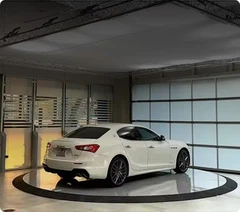
If you're in the market for a car lift platform, I recommend considering our Floor To Floor Car Lift Platform and DAXLIFTER Customized Car Vehicle Rotary Rotating Stage Platform. These products are designed and manufactured to the highest standards of quality and safety, and they offer a range of features and benefits to meet your specific needs.
If you have any questions or would like to learn more about our car lift platforms, please don't hesitate to contact us. We're here to help you find the right solution for your automotive lifting needs.
References
- Automotive Lift Institute (ALI). (n.d.). Safety Guidelines for Automotive Lifts. Retrieved from https://www.autolift.org/safety-guidelines/
- Manufacturer's Installation and Operation Manuals for Car Lift Platforms.