






As a long - standing supplier of car lift platforms, I've been deeply involved in the sales and installation of various types of car lift solutions. Over the years, I've witnessed firsthand the diverse needs of our customers, from small auto repair shops to large - scale parking facilities. In this blog post, I will explain the regulations regarding the use of car lift platforms, and introduce some of our high - quality products.
1. Safety Standards and Regulations
1.1 International and National Standards
The usage of car lift platforms is tightly governed by a series of international and national standards. For example, in the United States, the Occupational Safety and Health Administration (OSHA) sets strict regulations for workplace safety, including the use of lifting equipment. OSHA requires that the car lift platform should be regularly inspected to ensure its safety performance. This includes checking the structural integrity of the lift, the functionality of safety locks, and the stability of the lifting mechanism.
In Europe, the European Union Machinery Directive (2006/42/EC) is applicable to car lift platforms. This directive ensures that the machinery placed on the European market is safe. Manufacturers must adhere to a series of design and manufacturing requirements to obtain the CE marking, which indicates that the product meets the EU safety, health, and environmental protection regulations.
1.2 Local Regulations
Local regulations also play a crucial role. Some cities may have specific building codes that regulate the installation of car lift platforms in commercial or residential buildings. For example, if you want to install a Floor To Floor Car Lift Platform in a multi - story building, local authorities may require you to obtain a building permit. They will also inspect the installation process to ensure that it complies with local fire safety and structural stability requirements.
2. Installation Regulations
2.1 Site Preparation
Before installing a car lift platform, proper site preparation is essential. The ground where the lift will be installed must be flat, level, and able to support the weight of the lift and the vehicle. For example, if the ground is uneven, it can cause the lift to tilt during operation, which is extremely dangerous. The installation site should also have sufficient space for the lift to operate freely, including enough headroom for the vehicle to be lifted.
2.2 Professional Installation
Car lift platforms should only be installed by trained and certified professionals. These professionals have the knowledge and skills to ensure that the lift is installed correctly according to the manufacturer's instructions. Improper installation can lead to a variety of problems, such as malfunctioning of the lift, safety hazards, and even void the manufacturer's warranty.
3. Operation Regulations
3.1 Operator Training
Only trained operators should be allowed to use car lift platforms. Operators should receive comprehensive training on the operation, maintenance, and safety procedures of the lift. They need to understand how to properly position the vehicle on the lift, how to operate the control panel, and how to respond in case of an emergency. For example, they should know how to stop the lift immediately in an emergency situation.
3.2 Weight and Capacity Limits
It is crucial to respect the weight and capacity limits of the car lift platform. Each lift is designed to handle a specific maximum weight. Overloading the lift can cause structural damage, mechanical failures, and pose a serious threat to the safety of the operator and the vehicle. Before lifting a vehicle, the operator should always check the weight of the vehicle and ensure that it is within the lift's capacity.


4. Maintenance Regulations
4.1 Regular Inspections
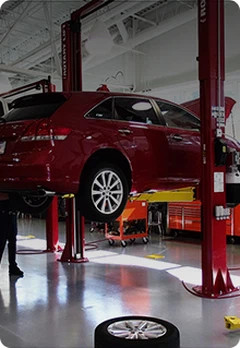
Regular inspections are necessary to ensure the safe and proper operation of car lift platforms. Daily visual inspections should be carried out to check for any obvious signs of damage, such as cracks, leaks, or loose parts. In addition, more in - depth inspections should be conducted at regular intervals, such as monthly or quarterly, depending on the frequency of use of the lift.
4.2 Preventive Maintenance
Preventive maintenance is also an important part of lift regulations. This includes tasks such as lubricating moving parts, checking and tightening bolts and nuts, and replacing worn - out components. By regularly performing preventive maintenance, the lifespan of the lift can be extended, and the risk of breakdowns can be reduced.
5. Our Product Offerings
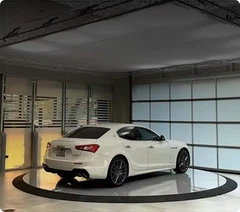
As a leading supplier of car lift platforms, we offer a wide range of high - quality products to meet different customer needs. One of our popular products is the DAXLIFTER Customized Car Vehicle Rotary Rotating Stage Platform. This platform is designed for parking facilities, allowing vehicles to be easily rotated and parked in a more efficient way. It is highly customizable, which means we can adjust its size, load capacity, and rotation speed according to the specific requirements of the customer.
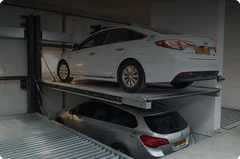
Our Floor To Floor Car Lift Platform is another excellent option for multi - story buildings. It provides a convenient way to move vehicles between different floors, whether in a commercial building or a large residential complex. This lift is known for its smooth operation, high safety standards, and reliability.
6. Contact Us for Purchasing and Consultation
If you are interested in our car lift platforms or have any questions regarding the regulations and installation of these products, we are here to help. We have a professional sales team that can provide you with detailed product information, offer customized solutions based on your needs, and assist you with all aspects of the purchase process. Contact us to start a discussion about your requirements, and let's find the best car lift platform solution for you.
References
- Occupational Safety and Health Administration (OSHA). Lifting and Hoisting Equipment Safety Regulations.
- European Union Machinery Directive (2006/42/EC).
- Local Building Codes and Regulations from various municipalities.


