

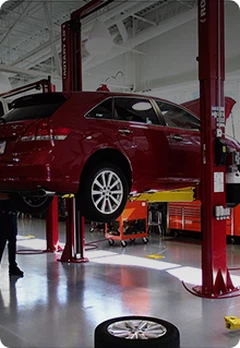
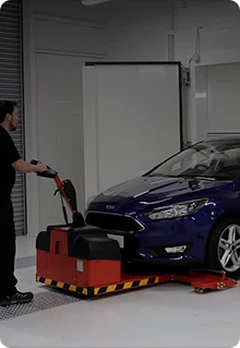

Car lifts are essential equipment in modern repair shops, enabling efficient vehicle lifting and undercarriage inspection. However, improper installation can pose serious safety risks, potentially leading to vehicle damage or personal injury. Therefore, understanding the safety designs of different lift types is crucial to ensure proper installation.

A common installation hazard is lift instability, which can cause the vehicle to slip or fall during operation. Inadequate anchoring or an uneven base can also lead to tipping, endangering personnel and equipment. Improper electrical installation may result in power failures or electrical fires. Additionally, neglecting routine maintenance or failing to follow installation instructions can increase the risk of mechanical failure, compromising overall safety. To minimize these risks, always follow the manufacturer's installation guidelines and have the lift installed by qualified professionals.
Two-post lifts are widely used in repair shops for their compact design and practicality. They use two columns to vertically elevate vehicles, allowing operators easy access to the undercarriage. In terms of safety design, these lifts typically incorporate the following key features:
Locking devices: Positioned at various heights on the columns, these automatically engage after lifting to prevent sudden drops in the event of hydraulic failure.
Safety support arms: These extend from the columns, adjust to the vehicle chassis, and lock securely to enhance stability.
Synchronous control cables: These ensure the two columns rise and lower simultaneously, preventing tilting or sliding of the vehicle.
Proper use and regular maintenance of these safety features are essential for long-term, reliable operation.

Four-post lifts, which use four vertical columns for enhanced stability, are particularly suitable for heavy vehicles. While they provide strong support, they generally require more floor space than two-post models, making them more common in commercial repair facilities.
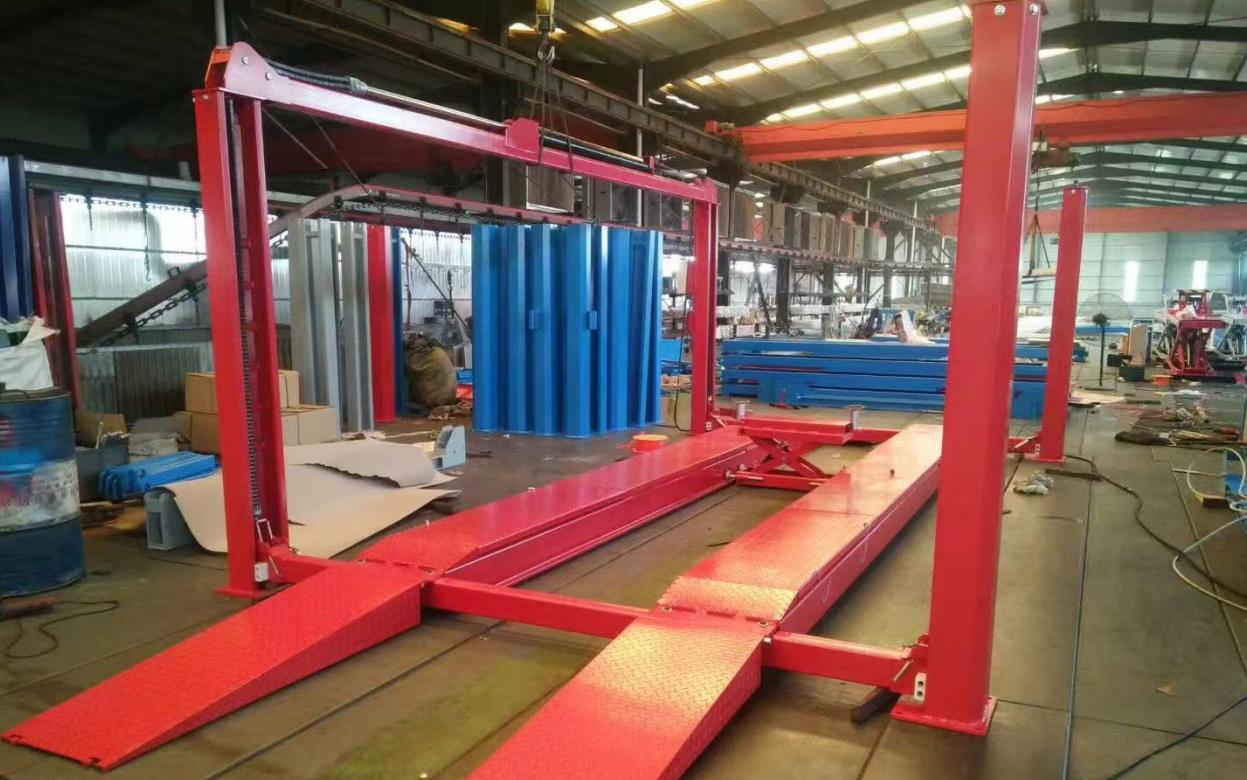
Before installing a lift, thoroughly assess the site conditions. Measure the available area to ensure it meets the required equipment dimensions, considering factors such as ceiling height and floor space. A secure foundation is critical to lift safety, as stability depends directly on the quality and accuracy of the base installation. Substandard foundation work can cause structural problems, endangering both the equipment and the vehicle. Therefore, construction must strictly follow the manufacturer's specifications for concrete thickness, anchoring methods, and baseplate installation. In addition, the floor's load-bearing capacity must be verified to prevent structural damage during operation.
Car lift installation involves several key steps that must be executed carefully to ensure safety and efficiency:
Preparation: Gather all necessary tools and materials, such as wrenches, hydraulic fluid, and related accessories, and ensure that all electrical work complies with relevant standards.
Site planning: Evaluate the ground material and thickness, plan drilling and anchoring locations, and ensure sufficient clearance for operation. A well-planned layout improves installation efficiency and prolongs equipment lifespan.
System installation: Secure the power unit and hydraulic system properly, paying close attention to the type and quantity of hydraulic fluid. Ensure the baseplate is level and all holes are properly aligned to guarantee stability. Correct installation not only ensures safe operation but also enhances overall workshop efficiency.
After installation, perform a thorough safety inspection. Verify that all bolts and nuts are tightened, check hydraulic lines for leaks, and ensure the car lifts operates smoothly and quietly. Confirm that all safety mechanisms-including automatic stops and mechanical locks-are functioning correctly.
Installation is only the beginning; regular maintenance is equally important. Following a consistent maintenance schedule can significantly extend the service life of your lift and ensure safe operation every time it's used.