




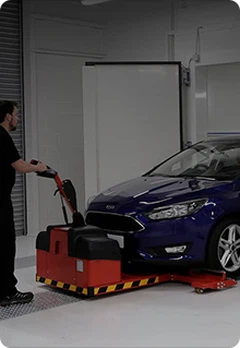

Operating an indoor parking lift isn't as simple as just pressing a button. It requires proper training to ensure not only the safety of the operators but also the protection of the vehicles being lifted. As an indoor parking lift supplier, I've seen firsthand the importance of comprehensive training. So, let's break down what kind of training is needed for this task.
The Basics of Indoor Parking Lift Operation: Safety First
The very first thing any operator should learn is safety protocols. Indoor parking lifts deal with heavy machinery and large vehicles, so a single mistake can lead to serious accidents. Operators need to be trained on how to conduct pre - operation safety checks. This includes inspecting the lift's cables, hydraulic systems, and control panels. For example, they must check for any signs of wear and tear on the cables, as frayed cables can easily snap under the weight of a vehicle.
Also, understanding the weight capacity of the lift is crucial. Overloading a lift can cause it to malfunction or collapse. Our 4 Post Automotive Storage Car Lift has a specific weight limit, and operators should be well - informed about it. Training should also cover how to position the vehicle correctly on the lift. Incorrect positioning can lead to an unbalanced load, increasing the risk of the vehicle falling off.
Technical Training on Different Types of Lifts
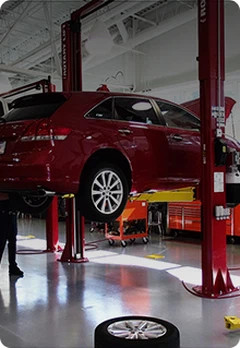
There are various types of indoor parking lifts, and each has its own unique operation requirements. For instance, the Two Post Tiltable Parking Lift is quite different from a four - post lift. Operators need to understand the mechanical and electrical systems of each type.
With two - post lifts, they'll need to know how to adjust the arms to fit different vehicle sizes and shapes. This involves learning about the locking mechanisms and how to ensure they are properly engaged. On the other hand, four - post lifts require knowledge of how to level the lift platform to prevent the vehicle from tilting.
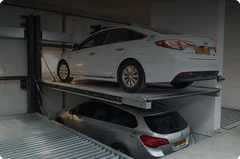
Our DAXLIFTER 2.3t - 3.2t 2.1m Home 2 Double Car Vehicle Storage Stacker Parking Lift has a more complex stacking mechanism. Operators must be trained on how to stack and unstack vehicles efficiently and safely. They need to understand the sequence of operations, such as which lift should be raised or lowered first to avoid any collisions.
Emergency Procedures
No matter how well - maintained the lift is or how experienced the operator is, emergencies can still happen. That's why training in emergency procedures is a must. Operators should know what to do in case of a power outage, hydraulic system failure, or if a vehicle starts to shift on the lift.


For a power outage, they should be able to manually lower the lift or secure the vehicle in place until power is restored. In case of a hydraulic system failure, they need to know how to isolate the problem and prevent further damage. If a vehicle starts to shift, immediate action needs to be taken to prevent it from falling. This might involve using safety devices like emergency brakes or chocks.
Maintenance and Troubleshooting Training
Regular maintenance is key to keeping the indoor parking lift in good working condition. Operators should be trained on basic maintenance tasks such as lubricating moving parts, cleaning the lift platform, and checking fluid levels. They also need to know how to spot signs of potential problems. For example, unusual noises or vibrations can indicate a mechanical issue.
When it comes to troubleshooting, operators should have a basic understanding of the lift's electrical and mechanical systems. They should be able to read diagnostic codes (if available) and perform simple repairs or adjustments. However, for more complex problems, they should know when to call in professional technicians.
Customer Service and Communication Training
As an operator of an indoor parking lift, you're not just dealing with machinery; you're also interacting with customers. Good customer service is essential. Operators should be trained on how to greet customers, explain the parking process clearly, and handle customer complaints.
They need to communicate effectively with customers, answering any questions they might have about the lift's operation or safety. For example, if a customer is worried about the safety of their vehicle on the lift, the operator should be able to provide reassurance by explaining the safety features of the lift.
Certification and Continuous Learning
Once the training is completed, operators should obtain certification to prove that they are qualified to operate the indoor parking lift. This certification not only gives customers confidence but also ensures that the operator has met the necessary standards.
Moreover, the industry of indoor parking lifts is constantly evolving. New technologies and safety standards are being introduced regularly. That's why continuous learning is so important. We, as a supplier, offer refresher courses and updates on our products to keep operators up - to - date with the latest information.
Conclusion: Get Trained and Get Lifting
In conclusion, operating an indoor parking lift requires a wide range of training. From safety protocols and technical knowledge to emergency procedures and customer service, every aspect plays a vital role in ensuring smooth and safe operation.
If you're in the market for an indoor parking lift and want well - trained operators, or if you already have a lift and need training for your staff, we're here to help. We offer comprehensive training programs tailored to the specific needs of your business. Contact us to start a discussion about your requirements and how we can assist you in making your indoor parking lift operation a success.
References
- Parker, John. "Safety Guidelines for Indoor Parking Lifts." Industrial Safety Journal, 2020.
- Smith, Emily. "Advanced Training for Parking Lift Operators." Automotive Technology Magazine, 2021.


